










Ha Giang Loop Travel Guide – Complete Guide to Vietnam’s Northernmost Adventure
The Ha Giang Loop is one of Vietnam’s most breathtaking travel experiences, offering dramatic mountain scenery, authentic ethnic cultures, and untouched natural landscapes. Located in the far north of Vietnam, Ha Giang borders China and remains one of the country’s most pristine and adventurous destinations.
This Ha Giang Loop Travel Guide provides everything you need to plan your trip, including weather, top attractions, transportation options, food recommendations, packing tips, and a fully structured 5-day itinerary. Whether you’re riding by motorbike, traveling by car, or joining a guided tour, this guide will help you enjoy the loop safely and meaningfully.
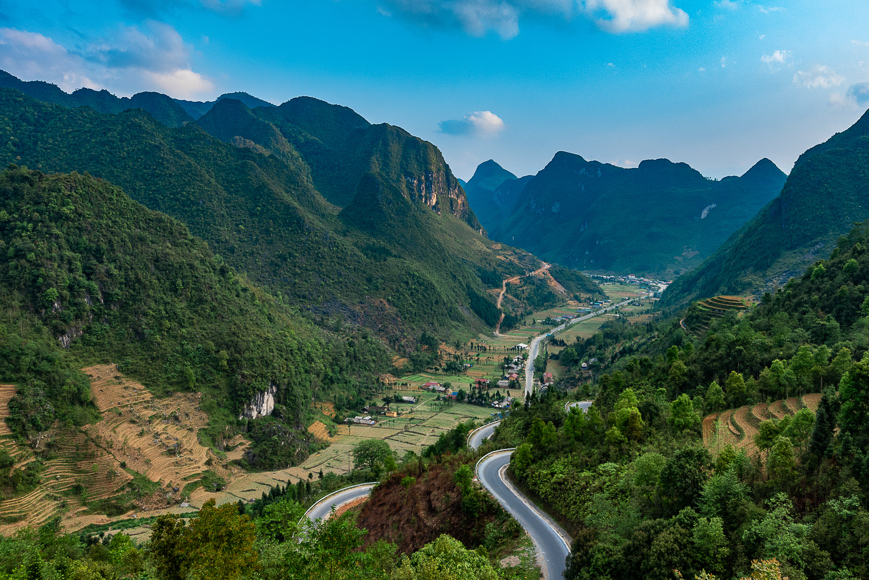
Ha Giang Loop Travel Guide Overview
Ha Giang is known for its steep limestone mountains, deep valleys, winding passes, and rich traditions preserved by the H’Mong, Dao, Tay, Nung, and other ethnic minorities. The region’s unique landscape has been recognized globally, particularly the Dong Van Karst Plateau, a UNESCO Global Geopark
(Source: https://en.unesco.org/global-geoparks/dong-van-karst-plateau).
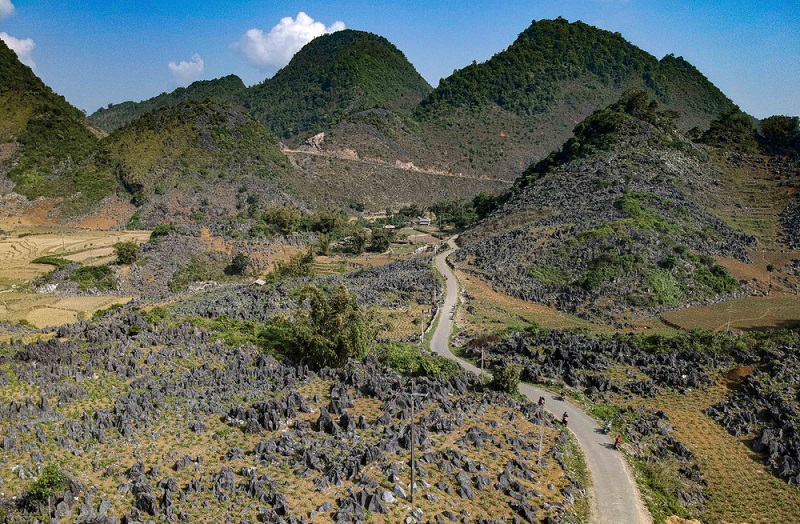
The Ha Giang Loop itself is a 320-kilometer circuit starting and ending in Ha Giang City, guiding travelers through some of the most spectacular routes in Southeast Asia.
Where Is Ha Giang?
Ha Giang sits at Vietnam’s northernmost point, bordering Yunnan Province in China. It is characterized by rugged mountains, terraced rice fields, karst formations, and traditional villages.
Its isolation and limited commercial development make it ideal for travelers seeking authentic experiences.
For basic geographical information, you can also reference
https://en.wikipedia.org/wiki/Hà_Giang_province
Ha Giang Weather – Best Time to Visit
Understanding seasonal patterns is crucial for anyone following this Ha Giang Loop Travel Guide.
Spring (March – May)
Pleasant temperatures (15–25°C), blooming flowers, and fresh green landscapes.
Summer (June – August)
Warm weather (25–35°C), lush scenery, but occasional rain and slippery roads.
Autumn (September – November)
The most beautiful time to visit. Golden rice terraces, cool temperatures (10–25°C), and clear skies.
Winter (December – February)
Cold weather (as low as 5°C) and misty mountains, creating atmospheric photos but requiring warm clothing.
Best Months to Go
March–April and September–November are ideal for perfect scenery and comfortable riding conditions.
Top Destinations on the Ha Giang Loop
No Ha Giang Loop Travel Guide would be complete without highlighting the most iconic stops along the route.
Dong Van Karst Plateau Geopark
A UNESCO-recognized limestone plateau with dramatic cliffs and deep valleys.
Quan Ba Heaven Gate
Famous for the Twin Mountains (Núi Cô Tiên) and overlooking Tam Son Valley.
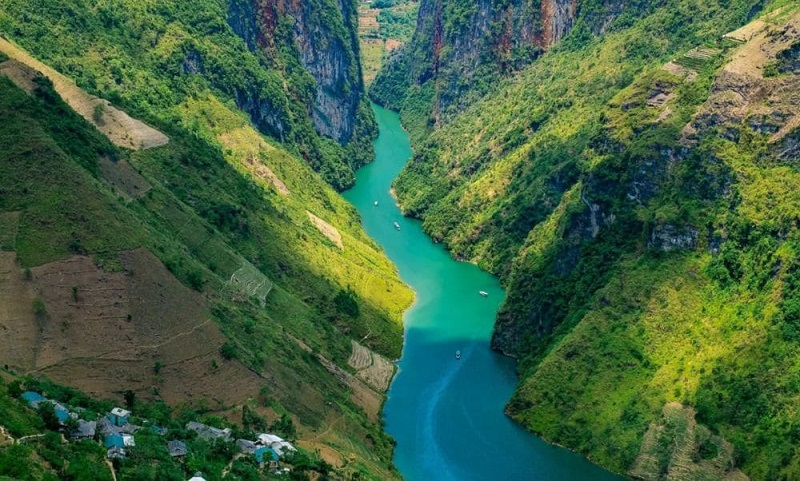
Ma Pi Leng Pass
One of Vietnam’s most impressive mountain passes, offering unmatched views of the Nho Que River.
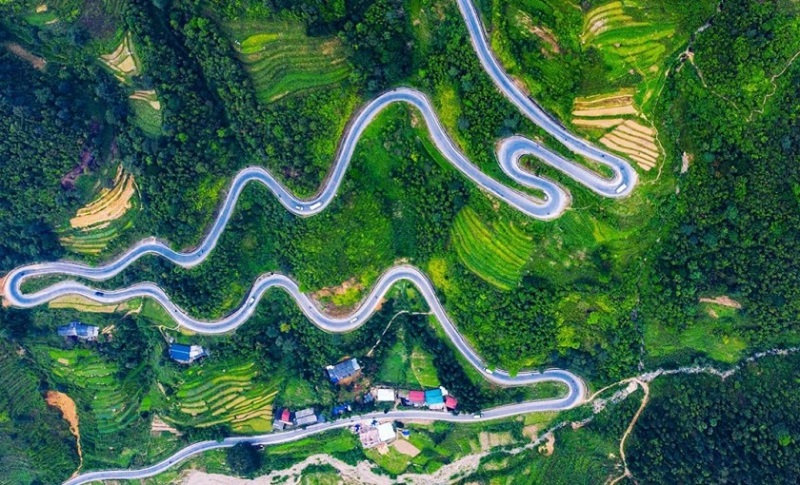
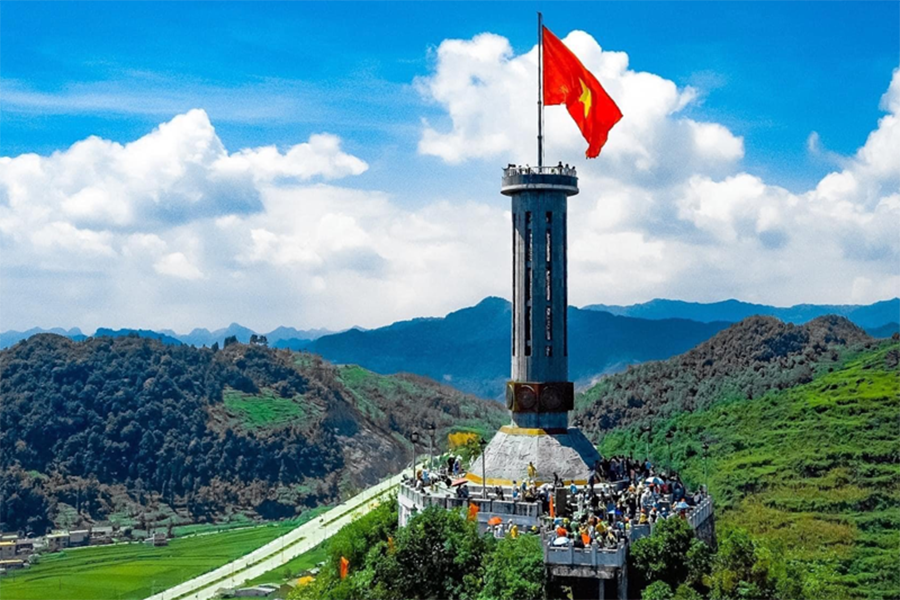
Lung Cu Flag Tower
The northernmost point of Vietnam, symbolizing national pride.
Meo Vac Market
A bustling ethnic market with traditional dishes, handmade crafts, and cultural exchanges.
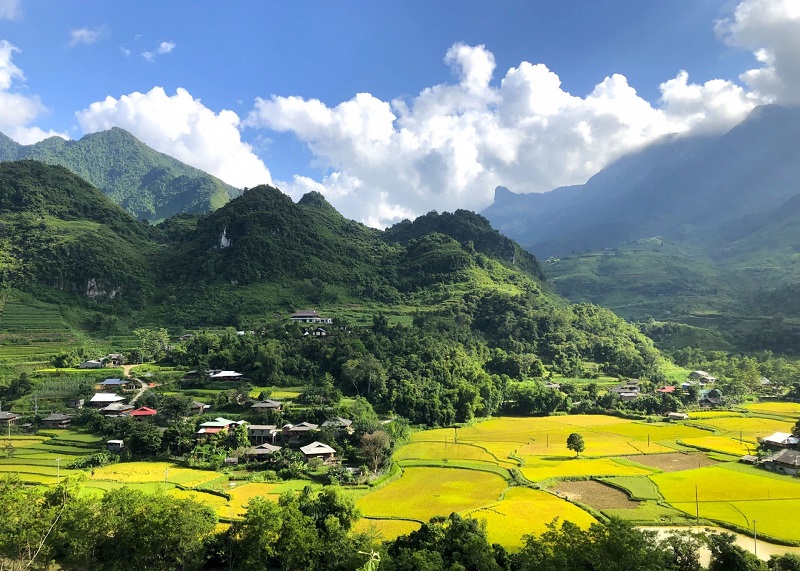
Du Gia Village
A peaceful and scenic village known for waterfalls, trekking, and friendly homestays.
How to Get to Ha Giang
Depending on your travel style, this Ha Giang Loop Travel Guide recommends three transportation options.
1. Motorbike
Cost: 10–20 USD/day
Best for: adventure lovers, experienced riders
Benefits: flexibility, immersion, freedom to stop anywhere
Considerations: steep roads, sharp turns, variable weather

2. Car (with driver)
Cost: 70–100 USD/day
Best for: comfort seekers and families
Benefits: safe, weather-protected, relaxed experience
Considerations: slightly less immersive than motorbike
3. Guided Tour
Best for: first-time visitors, beginners, and those wanting convenience
Benefits: local guide, cultural insights, planned accommodations and meals
Maverick Journeys offers customized loop tours tailored to different travel styles.
Which Travel Mode Is Best?
-
Motorbike: For adventurous travelers who want full immersion
-
Car: For comfort and safety
-
Guided Tour: For a worry-free, informative experience
What to Eat in Ha Giang
Ha Giang’s cuisine reflects the traditions of its ethnic communities. Must-try dishes include:
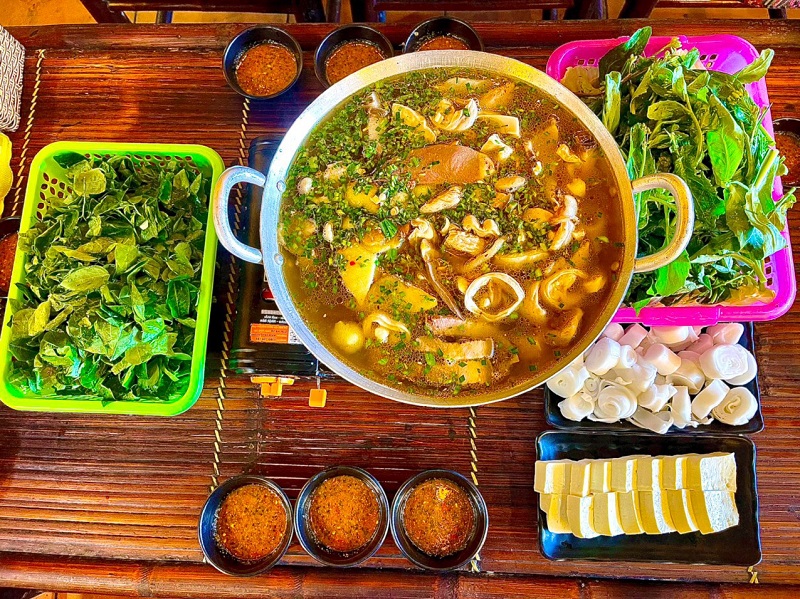
Thang Co
Traditional H’Mong soup made from horse meat and herbs, often served at local markets.
Au Tau Porridge
A bitter–sweet porridge believed to warm the body during cold seasons.
Five-Colored Sticky Rice
A festive dish prepared using natural plant dyes.
Buckwheat Cake
A specialty made from buckwheat flour, commonly eaten with honey.
Grilled Pork Skewers
A popular street food marinated with local spices.
What to Prepare for the Ha Giang Loop
-
Layered clothing for changing temperatures
-
Trekking shoes or durable walking shoes
-
Raincoat, sunscreen, hat
-
Basic first-aid kit and personal medication
-
Passport/ID, travel insurance, required permits
-
Cash (ATMs are limited in remote areas)
-
Mosquito repellent
Ha Giang Loop – Recommended 5-Day Itinerary
Day 1: Hanoi → Ha Giang
Travel to Ha Giang City and stay overnight.
Day 2: Ha Giang → Dong Van
Visit Quan Ba Heaven Gate, Twin Mountains, and Yen Minh Pine Forest.
Day 3: Dong Van → Meo Vac
Explore Dong Van Karst Plateau, Lung Cu Flag Tower, and Ma Pi Leng Pass.
Day 4: Meo Vac → Du Gia
Visit Meo Vac Market, Du Gia Valley, waterfalls, and local homestays.
Day 5: Du Gia → Ha Giang → Hanoi
Return to Ha Giang City and travel back to Hanoi.
FAQ – Ha Giang Loop Travel Guide
Is it safe to travel the Ha Giang Loop on a motorbike?
Yes, but you should have riding experience and always wear protective gear. Hiring a guide increases safety.
Are there cultural norms to follow?
Dress modestly, show respect in villages, and ask before taking photos of local people.
What accommodations are available?
Options range from homestays and hostels to comfortable guesthouses.
For more cultural insights into northern Vietnam, explore our detailed article on Festivals in Ha Giang:
https://maverickjourneys.com/festivals-in-ha-giang/
Start Your Ha Giang Journey
Use this Ha Giang Loop Travel Guide to plan your perfect trip through one of Vietnam’s most extraordinary regions. Every turn of the loop offers new landscapes, hidden stories, and unforgettable experiences.