










Da Nang Travel Guide: The Ultimate Handbook for First-Time Visitors
Da Nang is one of Vietnam’s most enjoyable coastal cities—modern, clean, easy to navigate, and perfectly placed between mountains, beaches, and UNESCO-listed heritage sites. If you want a destination that balances relaxation with culture and adventure, this Da Nang Travel Guide will help you plan the ideal trip, whether you’re staying for a weekend or building it into a longer Vietnam itinerary.
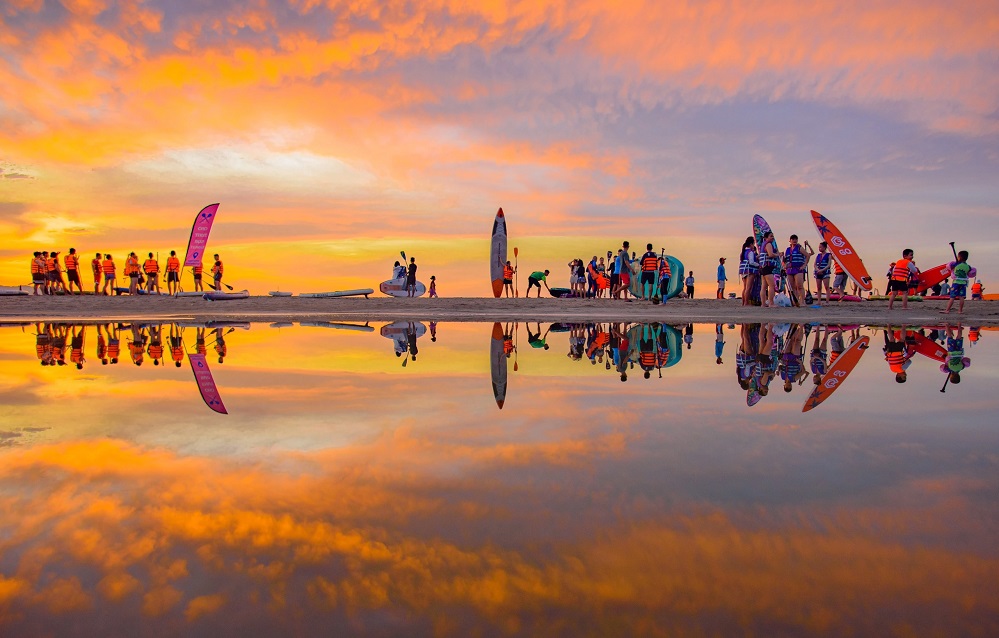
Compared to Hanoi or Ho Chi Minh City, Da Nang feels calmer and more spacious, yet it still offers plenty to do: long sandy beaches, scenic viewpoints, buzzing cafés, incredible seafood, and convenient day trips to Hoi An, Hue, and the Marble Mountains. It’s also a great base for travelers who want comfort and flexibility—especially independent travelers who like to explore at their own pace.
Why Visit Da Nang? (Da Nang Travel Guide Essentials)
Da Nang stands out for three reasons:
-
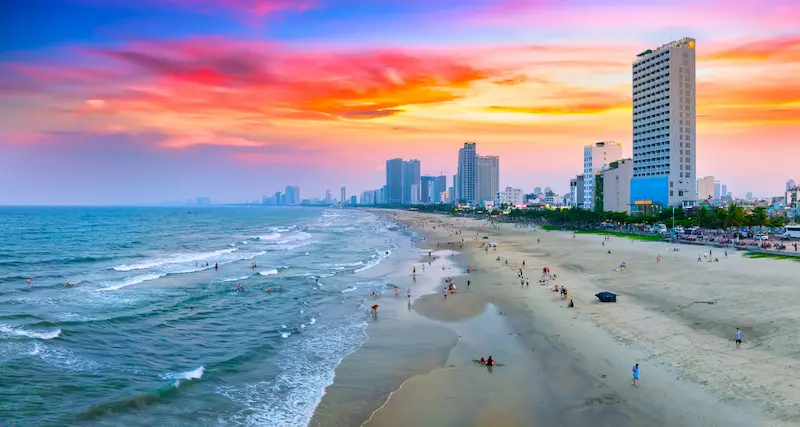
Beaches you can actually enjoy: My Khe Beach and the coastline stretching south toward Non Nuoc are wide and walkable, with sunrise views that feel truly special.
-
Nature within minutes: You can go from city streets to mountain roads fast—Son Tra Peninsula, Hai Van Pass, and Marble Mountains are all close.
-
Easy logistics: Good roads, a modern airport, reliable hotels, and plenty of dining options make Da Nang beginner-friendly.
If you’re looking for a “best of Vietnam” experience in one place—beach + city + mountains—Da Nang delivers.

Best Time to Visit Da Nang
Da Nang has two main seasons: a drier period and a wetter period.
Best months: February to August
Expect bright days and good beach weather, especially from March to July. It’s hot in summer, but sea breezes help.
Rainy season: September to January
You can still travel, but expect heavier rain and occasional storms. If you’re planning beach time or outdoor day trips, the dry months are easier.
Quick tip: If you visit in peak heat, schedule outdoor sightseeing early (sunrise–10am) and late (after 3pm).
Top Things to Do in Da Nang
1) Relax at My Khe Beach
My Khe is Da Nang’s most famous beach for a reason: soft sand, long shoreline, and easy access from most hotels. Start your day with a sunrise walk and you’ll understand why many travelers fall in love with the city here.
2) Explore Son Tra Peninsula (Monkey Mountain)
Son Tra offers panoramic viewpoints, quiet roads through jungle landscapes, and a refreshing break from the city. The most famous stop is the Linh Ung Pagoda with its towering Lady Buddha statue overlooking the sea.
This is one of the best sunrise or late-afternoon trips in any Da Nang Travel Guide.

3) Visit the Marble Mountains
A short drive south of the city, the Marble Mountains are a cluster of limestone hills with caves, temples, and viewpoints. Wear shoes with grip—some steps can be slippery, especially after rain.
4) Cross the Dragon Bridge at Night
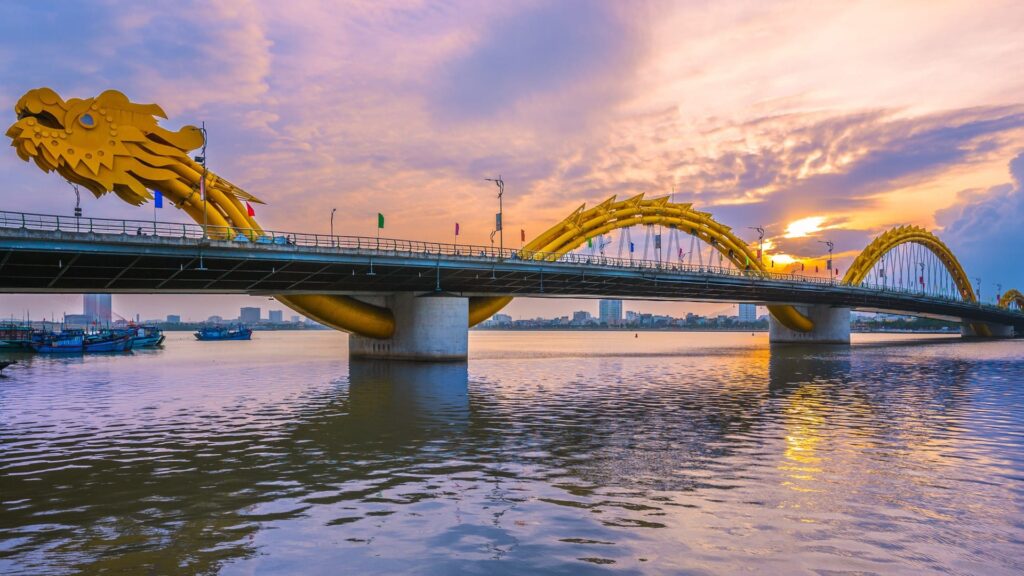
Dragon Bridge is fun, photogenic, and very “Da Nang.” On certain evenings (often weekends), the dragon breathes fire and water—check local schedules when you arrive because times can vary by season.
5) Enjoy Da Nang’s café culture
Da Nang has great coffee spots—from minimalist espresso bars to rooftop cafés with river views. Try Vietnamese iced coffee or coconut coffee if you want something classic but refreshing.
Best Day Trips from Da Nang
Hoi An (30–45 minutes)
Hoi An is the most popular day trip. Go late afternoon, explore the old town as lanterns light up, and enjoy dinner by the river. If you can, stay until evening for the atmosphere.
Ba Na Hills (about 1–1.5 hours)
Known for the Golden Bridge (the “giant hands”), Ba Na Hills is a theme-park style complex on a cooler mountain top. It’s touristy, but many first-timers still enjoy it for the views and photos.

Hai Van Pass
One of Vietnam’s most scenic coastal drives. You can do it by scooter (experienced riders only), car, or guided tour. Combine with a stop at Lang Co Beach if you continue toward Hue.
What to Eat in Da Nang (Local Food Guide)
Da Nang is a seafood paradise, but it also has signature central Vietnamese dishes:
-
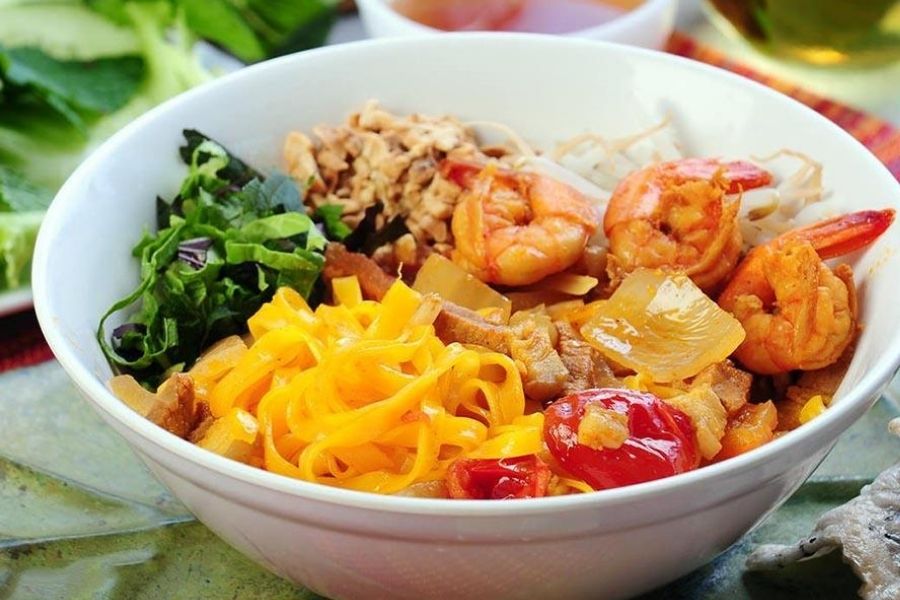
Mi Quang: turmeric noodles with herbs, peanuts, and rich broth (often served “dry-ish”).
-
Banh xeo: crispy sizzling pancakes with herbs and dipping sauce.
-
Fresh seafood: grilled squid, clams, prawns—simple seasoning, big flavor.
Food tip: Choose busy local spots for fresher seafood and better prices.
Where to Stay in Da Nang
Most travelers choose between beachside and city center:
Beach area (My Khe / An Thuong)
Best for sunrise walks, restaurants, and a holiday feel. Great for couples and relaxed travelers.
City center (near Han River)
Best for nightlife, shopping, and quick access to bridges and local dining.
If you want balance: stay near the beach but not far from the river (10–15 minutes by taxi).
Getting Around Da Nang
-
Grab (ride-hailing) is the easiest way for taxis and motorbike taxis.
-
Renting a scooter is possible, but ride carefully—traffic is calmer than big cities, yet still unpredictable.
-
For day trips, consider a private car if you want comfort and flexibility.
Planning a day trip? Read our complete Hoi An guide here: Hoi An Travel Guide
Suggested 3–5 Day Itinerary (Da Nang Travel Guide)
3 Days
-
Day 1: My Khe Beach + Dragon Bridge at night
-
Day 2: Son Tra Peninsula + seafood dinner
-
Day 3: Marble Mountains + café hopping
5 Days
-
Add Hoi An (Day 4) and Hai Van Pass or Ba Na Hills (Day 5)
This schedule keeps days spacious—perfect for travelers who want a calm pace.
Practical Tips for a Smooth Trip
-
Bring light clothes, plus a rain jacket if traveling late in the year.
-
Start outdoor activities early to avoid midday heat.
-
Be mindful of valuables at busy areas, especially at night markets.
-
When visiting temples and pagodas, dress modestly.
For more Vietnam travel inspiration and updated tips, follow Maverick Journeys on Facebook: https://www.facebook.com/maverick.journeys.vietnam/