










Hue travel guide: A Complete Handbook for a Meaningful Trip
Hue (Huế) is Vietnam’s former imperial capital—elegant, atmospheric, and rich with cultural depth. Set along the Perfume River, Hue offers a calmer pace than many big cities, yet it is packed with heritage landmarks, royal architecture, and some of the country’s most memorable cuisine. This Hue travel guide helps you plan a smooth, unrushed visit with the right balance of history, local life, and scenic day trips.
Hue is ideal for travelers who enjoy walking through old courtyards, exploring ancient tombs set in nature, visiting peaceful pagodas, and discovering regional dishes that feel both refined and comforting. If you want to understand Vietnam beyond beaches and big-city energy, Hue is one of the best places to slow down and absorb the country’s story.
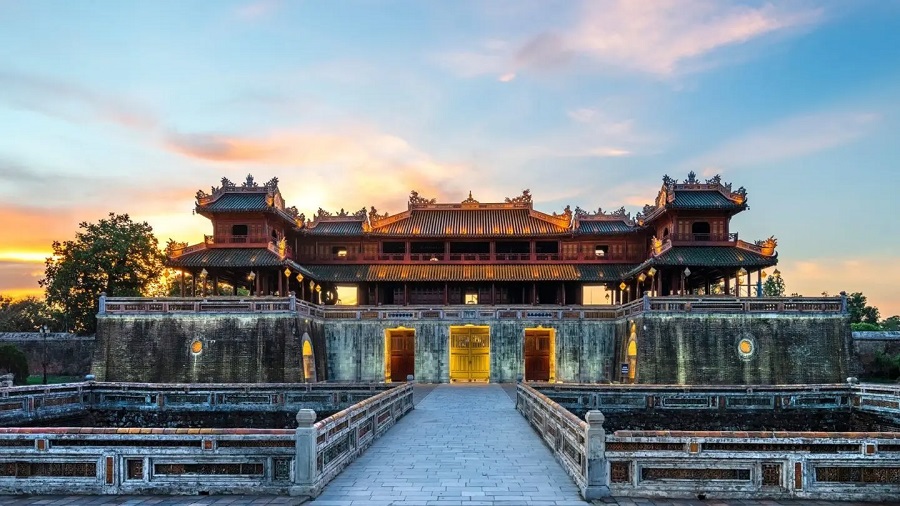
Why Visit Hue? (Hue travel guide essentials)
Hue stands out for a few key reasons:
-
The Imperial City (Citadel): A powerful symbol of Vietnam’s dynastic era and one of the country’s most significant historical sites.
-
Royal tombs in serene settings: Monuments that blend architecture, landscape design, and symbolism.
-
A distinctive food culture: Hue’s cuisine is famous for its variety, balance, and royal influences.
-
A gentle rhythm of travel: River walks, cafés, and quiet neighborhoods make Hue easy to enjoy without rushing.
-
Easy day trips: Lagoons, countryside villages, and national parks are within reach.
Hue also fits naturally into a Central Vietnam route, pairing well with Da Nang and Hoi An while offering a very different, more contemplative atmosphere.
Best Time to Visit Hue
Hue’s climate can be warm in summer and wet later in the year, so timing matters—especially if your trip is focused on outdoor heritage sites.
Best months: February to April
This period often brings comfortable temperatures and clearer skies—great for walking tours, cycling, and photography.
Summer (May to August)
Expect heat and humidity. Plan major sightseeing early in the morning, then take a midday break before heading out again in late afternoon.
Rainy season (September to January)
Hue can receive heavy rain, sometimes with local flooding. You can still visit, but keep plans flexible and prioritize indoor time when needed.
Planning tip: For the easiest experience, schedule Hue during late winter to spring (Feb–Apr) if possible.
Top Things to Do in Hue
1) Explore the Imperial City (The Citadel)
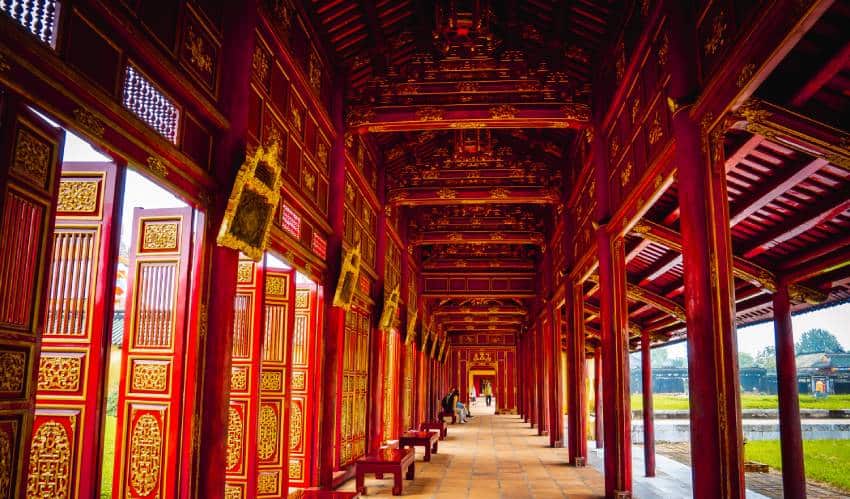
Hue’s Imperial City is the heart of the destination and the best starting point for first-time visitors. Walking through its gates and courtyards gives you a tangible sense of Vietnam’s royal past, from ceremonial architecture to restored temples and historic halls.
How to visit well:
-
Go early for cooler temperatures and soft light.
-
Take your time in quieter corners away from the busiest paths.
-
Look for details: carved doors, tiled roofs, and symmetrical courtyards.
A relaxed visit here can easily take half a day—and it’s worth it.
2) Visit Hue’s Royal Tombs
Hue’s royal tombs are among Vietnam’s most fascinating cultural sites. Each one feels different, and many travelers find them even more memorable than expected because they combine nature and history so beautifully.
Tomb of Minh Mang
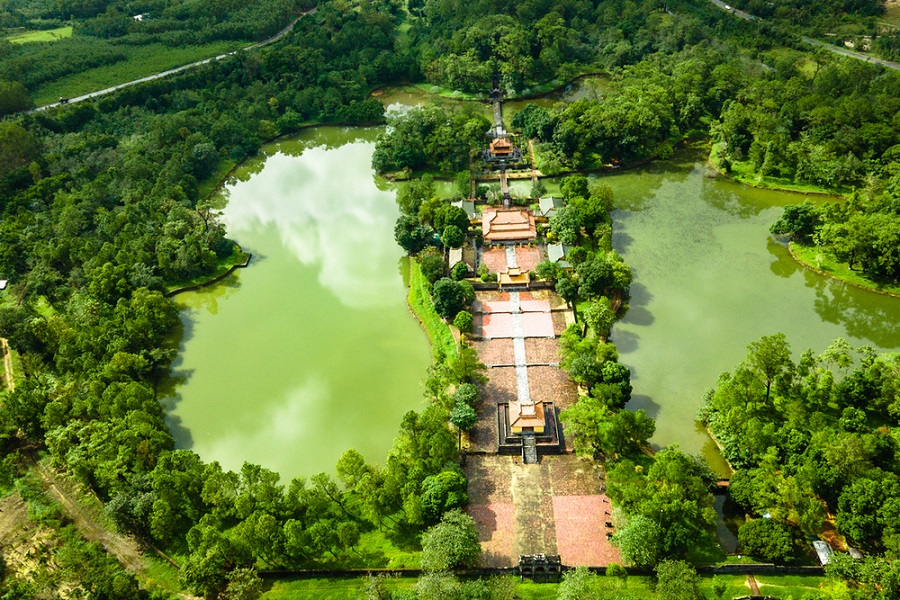
Known for balance and harmony, Minh Mang’s tomb features lakes, bridges, and aligned structures that feel calm and elegant.
Tomb of Khai Dinh
Ornate and dramatic, Khai Dinh’s tomb stands out for its dark stone architecture, intricate mosaics, and unique blend of Vietnamese and European influences.

Tomb of Tu Duc
Peaceful and poetic, Tu Duc’s tomb is set among greenery and water, perfect for travelers who enjoy quieter, reflective places.
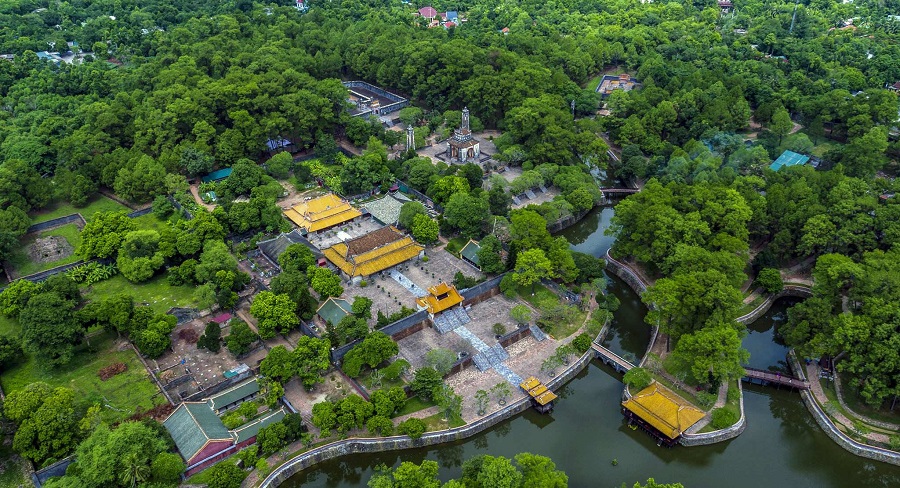
Hue travel guide tip: Choose two tombs rather than trying to see everything in one day. It’s better to slow down and actually feel the atmosphere.
3) Thien Mu Pagoda and the Perfume River
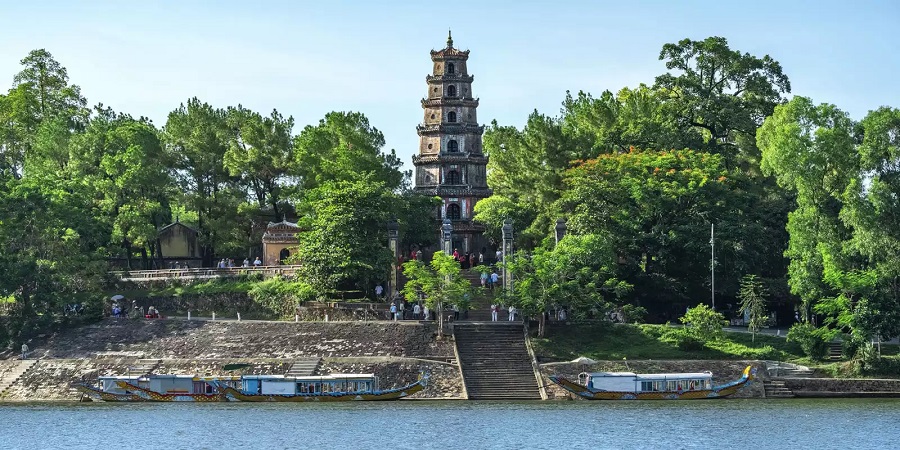
Thien Mu Pagoda is one of Hue’s most iconic landmarks, sitting above the Perfume River with a calm, spiritual presence. It’s especially beautiful early in the morning or near sunset.
A simple way to enjoy this area:
-
Visit the pagoda grounds for a peaceful walk.
-
Combine it with a riverside stroll or café stop.
-
If you like, add a gentle boat ride on the Perfume River for a classic Hue moment.
Hue is a city where quiet scenes—like river light and temple bells—often become the most memorable.
4) Taste Hue’s Food Culture
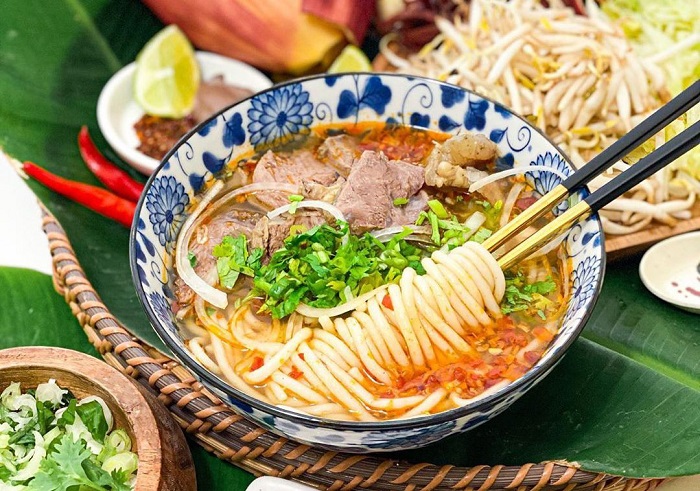
Hue is one of Vietnam’s best food cities. Historically, royal cuisine shaped the region’s cooking style: balanced flavors, attention to presentation, and a love for small dishes you can try in variety.
Must-try dishes:
-
bún bò Huế: Hue’s signature beef noodle soup—aromatic, rich, and satisfying
-
bánh bèo, bánh nậm, bánh lọc: small steamed cakes and dumplings with delicate textures
-
cơm hến: rice with baby clams, herbs, and crunchy toppings
-
chè Huế: a wide range of sweet soups/desserts—perfect as an afternoon treat
Food tip: Plan one evening as a “small dish night” and try several items instead of one big meal.
5) Explore Hue by Bicycle (or a relaxed walk)
Hue is wonderfully suited for slow exploration. The city is relatively flat, and cycling through village lanes and riverside roads can be one of the most enjoyable ways to experience local life.
Great ideas:
-
Cycle along the Perfume River in the morning.
-
Ride into the countryside for rice fields and quiet lanes.
-
Combine cycling with a stop at a local market for simple snacks.
Best Day Trips from Hue
1) Thanh Toan Bridge & Countryside Villages
Just outside the city, Thanh Toan Bridge is a charming covered bridge surrounded by rural scenery. It’s perfect for a gentle half-day: cycling, photos, and a look at daily village life.

2) Tam Giang Lagoon (Sunset trip)
Tam Giang is Southeast Asia’s largest lagoon system and one of the most photogenic places near Hue—especially at sunset.
Why it’s worth it:
-
Wide-open views and peaceful scenery
-
Local fishing life and quiet water reflections
-
Beautiful sky colors for photography

3) Bach Ma National Park (Nature day)
If you want forest air and viewpoints, Bach Ma offers trails, waterfalls, and cooler mountain conditions. Weather can change quickly, so pack good shoes and a light rain jacket.

Where to Stay in Hue
Most travelers choose between:
-
City center (near the Perfume River): best for cafés, restaurants, walking, and easy transport
-
Near the Citadel: calmer nights, quick access to the Imperial City
If you enjoy early mornings, a riverside stay can be especially rewarding—Hue feels very poetic at dawn.
Getting Around Hue
-
Grab/taxis: easy and affordable for point-to-point rides
-
Bicycle: perfect for relaxed exploration
-
Scooter rental: flexible but only if you’re confident riding
-
Private driver: ideal for tomb-hopping and day trips in one smooth day
Suggested 2–4 Day Itinerary (Hue travel guide)
2 Days (Essential Hue)
Day 1: Imperial City + riverside walk + street-food evening
Day 2: Two royal tombs + Thien Mu Pagoda + sunset by the Perfume River
3 Days (Balanced + Countryside)
Add a half-day cycling trip to Thanh Toan Bridge and countryside lanes.
4 Days (Hue + Nature)
Add Tam Giang Lagoon (sunset) and one nature day (Bach Ma or a relaxed lagoon/countryside route).
This pacing keeps Hue calm and meaningful—never rushed.
Practical Tips for a Smooth Visit
-
Start outdoor sightseeing early to avoid heat and crowds.
-
Bring sun protection for tomb visits (many areas are open-air).
-
Dress modestly at pagodas (covered shoulders and knees).
-
Carry small cash for street food and local markets.
-
If visiting in rainy season, keep plans flexible.
Continuing your Central Vietnam route? Read our Da Nang Travel Guide for beaches, food, and easy day trips:
FAQ (Hue travel guide)
1) How many days do you need in Hue?
Two days is enough to see the highlights (Imperial City, two tombs, Thien Mu Pagoda). Three to four days is ideal for day trips like Tam Giang Lagoon or countryside cycling.
2) What are the must-see attractions in Hue?
The Imperial City (Citadel), royal tombs (Minh Mang, Khai Dinh, Tu Duc), Thien Mu Pagoda, and a food-focused evening exploring local specialties.
3) Which royal tomb should you prioritize?
If you want something elegant and peaceful, choose Minh Mang or Tu Duc. If you want dramatic architecture and intricate decoration, prioritize Khai Dinh.
4) Is Hue worth visiting if you’ve already seen Hoi An and Da Nang?
Yes—Hue feels completely different. It’s more historical and atmospheric, and it offers the strongest “imperial heritage” experience in Central Vietnam.
5) What is the best way to get around Hue?
Use Grab/taxis for convenience, rent a bicycle for relaxed routes, and consider a private driver if you plan to visit multiple tombs and day trips efficiently.
Final Thoughts
Hue rewards travelers who slow down. Between the Imperial City’s quiet courtyards, royal tombs set in nature, riverside sunsets, and unforgettable local dishes, the city offers a deep, reflective side of Vietnam. Use this Hue travel guide to build a trip that feels calm, cultural, and genuinely memorable.
For more Vietnam travel inspiration and updates, follow Maverick Journeys on Facebook: Maverick Journeys