








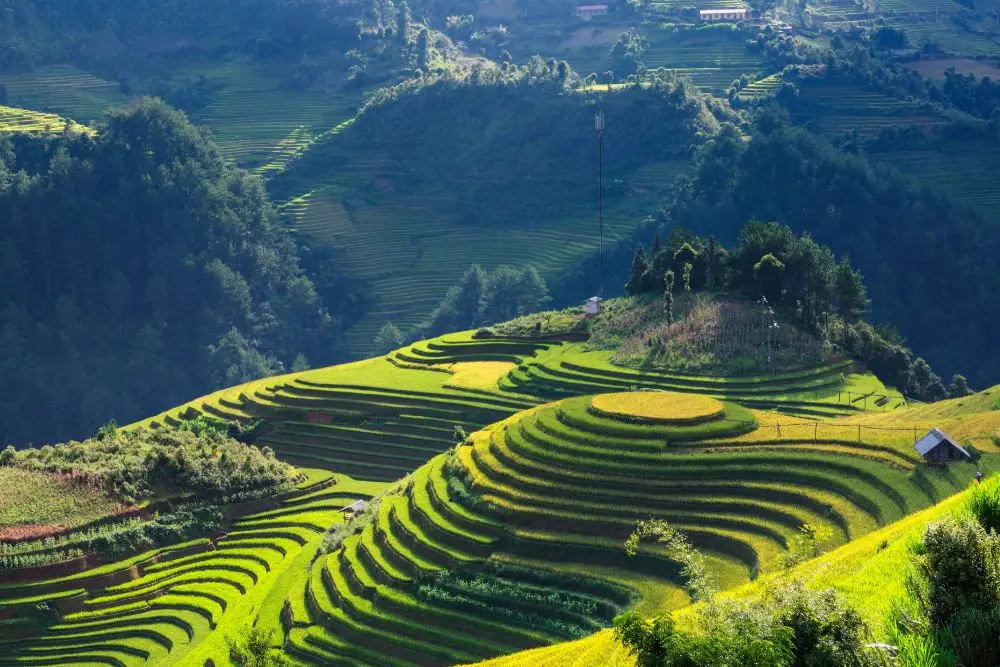
Vietnam is the kind of destination that pulls you in fast. One moment you’re sitting on a tiny plastic stool in Hanoi sipping egg coffee, and the next you’re cruising through dramatic limestone cliffs in Ha Long Bay. A few days later, you might find yourself wandering lantern-lit streets in Hoi An or riding a motorbike through emerald rice fields in the countryside.
If this is your first time visiting, Vietnam can feel intense at first—busy roads, loud streets, and an endless list of places to see. But once you understand the basics, it quickly becomes one of the easiest and most rewarding countries to travel in Southeast Asia.
This Vietnam Travel Guide is designed for first-time visitors, covering everything you need to plan a smooth trip: where to go, the best time to visit, suggested itineraries, costs, transport, safety tips, what to eat, and cultural etiquette.
Vietnam Travel Guide: Quick Facts
Vietnam travel planning becomes much easier once you know the essentials.
-
Capital: Hanoi
-
Largest city: Ho Chi Minh City (Saigon)
-
Currency: Vietnamese Dong (VND)
-
Language: Vietnamese (English is common in tourist areas)
-
Time zone: GMT+7
-
Plug type: A, C, D (220V)
-
Ideal trip length for first-timers: 10–14 days
-
Best ways to get around: domestic flights, trains, Grab, and local tours
Vietnam Trip Planning Checklist (First-Timer Friendly)
Before you book anything, use this simple checklist. It will save you time, money, and stress.
-
Check Vietnam visa requirements for your nationality
-
Plan your route by region (north, central, south)
-
Book domestic flights early if traveling long distances
-
Choose accommodations close to attractions to reduce commute time
-
Download Grab, Google Maps, and Google Translate
-
Keep a mix of cash and card, including small bills
-
Pack light, especially if you’re moving between cities
-
Get travel insurance (recommended for any international trip)
Is Vietnam Worth Visiting in 2026?
Yes. Vietnam remains one of the best-value destinations in Asia. It offers a rare mix of culture, food, landscapes, and affordability—plus enough variety to fit almost any travel style.

First-time visitors often love Vietnam for these reasons:
-
Incredible street food culture
-
A mix of cities, mountains, countryside, and beaches
-
Great value for money, even for comfort travelers
-
Easy domestic travel routes and affordable flights
-
Friendly local culture and a thriving café scene
One thing to know before you arrive is that Vietnam’s major cities can be chaotic. Traffic is fast and loud, and sidewalks sometimes double as motorbike parking. The good news is that once you adjust, it becomes part of the experience—and you’ll quickly learn how to cross the street like a local.
This Vietnam Travel Guide will help you travel smarter from day one.
Vietnam Visa Requirements (2026 Update)
Visa policies can change, so always double-check the latest entry requirements through official Vietnam immigration sources before booking flights.
Most travelers enter Vietnam using one of the following options:
-
Visa exemption (for eligible nationalities, with limited duration)
-
Vietnam e-visa (the most common and convenient option)
If you apply for an e-visa, apply early and confirm your details carefully, especially your passport number, dates, and entry port.
Best Time to Visit Vietnam (By Region)
Vietnam’s climate varies by region, and the best time to visit depends on where you’re going. For first-time visitors, planning by region makes the trip much easier.
Northern Vietnam (Hanoi, Sapa, Ninh Binh, Ha Long Bay)
The best time to visit northern Vietnam is from October to April, when temperatures are cooler and the weather is typically drier. Summer months can be hot, humid, and stormy, especially from June to August.
If your priority is Ha Long Bay with clear skies and comfortable days in Hanoi, aim for October to November or March to April.

Central Vietnam (Da Nang, Hoi An, Hue)
Central Vietnam is best from February to August, when beach weather is at its peak. The rainy season usually runs from September to January, and heavy rainfall can cause flooding in Hoi An.
Southern Vietnam (Ho Chi Minh City, Mekong Delta, Phu Quoc)
Southern Vietnam is best from December to April during the dry season. The rainy season is typically from May to November, though rain often comes in short, intense showers.
Many travelers find March to April and October to November to be the best overall months for a multi-region trip. This Vietnam Travel Guide focuses on routes that work well year-round, depending on the weather.
Where to Go in Vietnam (Best Places for First-Timers)
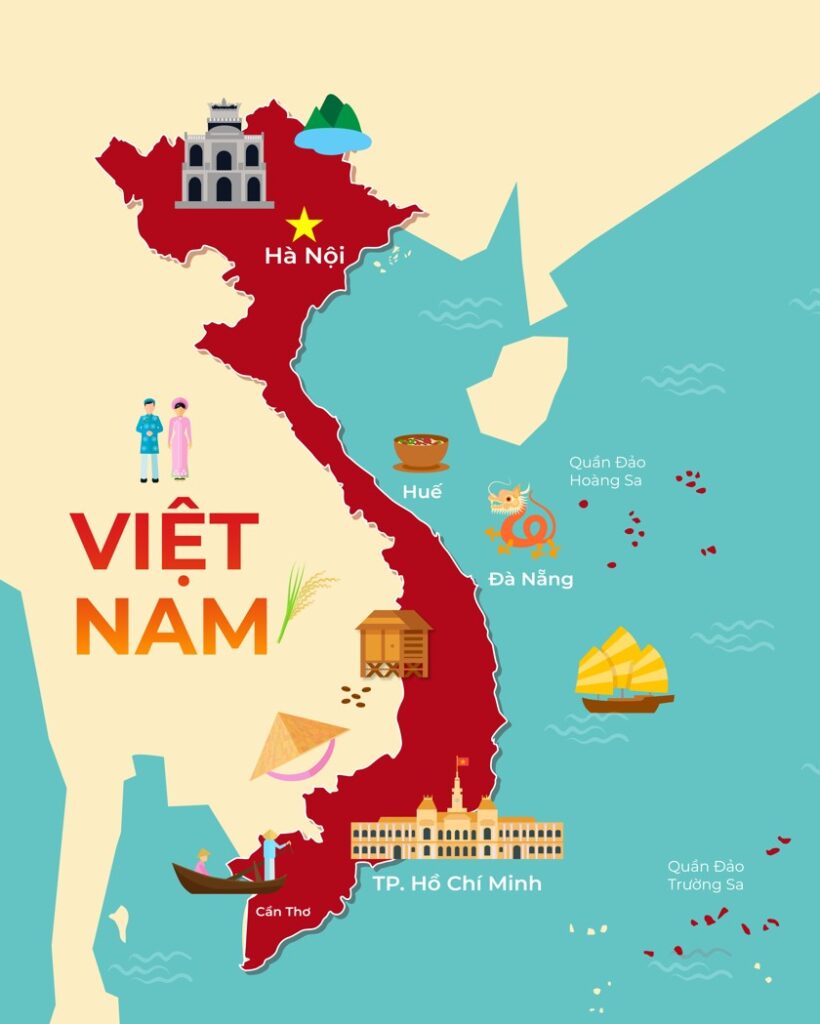
Vietnam is long, and travel time between regions can be significant. Instead of trying to see everything, choose a route that fits your time frame and travel style.
Here are the best places to visit for first-time travelers.
Hanoi
Hanoi is Vietnam’s capital and one of the best places in the country for food and culture. The Old Quarter is busy and chaotic, but that’s what makes it unforgettable. Plan at least two full days to experience Hanoi properly.
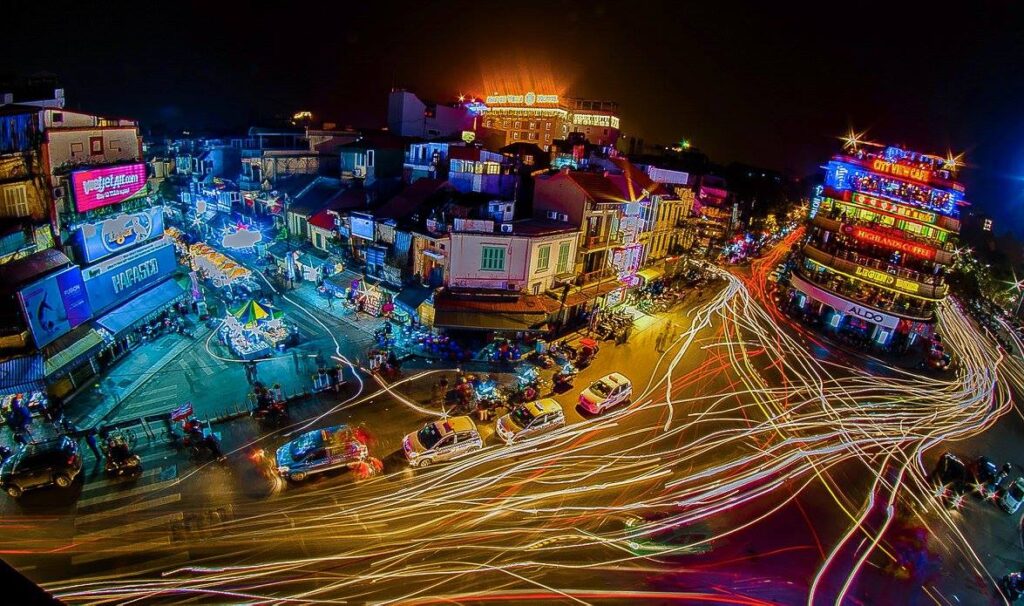
Hanoi is the perfect starting point for first-time visitors—check out our Hanoi Travel Guide for where to stay, what to eat, and the best things to do.
→ Link: https://maverickjourneys.com/hanoi-travel-guide/
Ha Long Bay (or Lan Ha Bay)
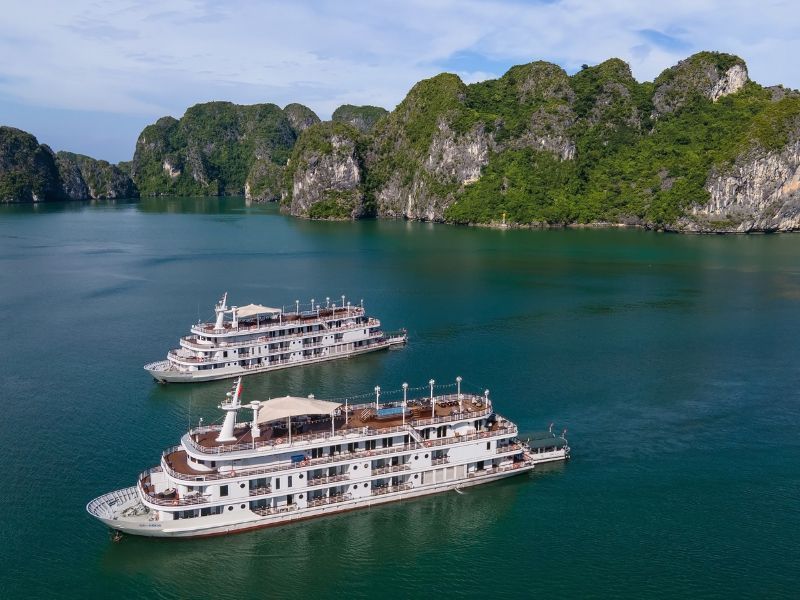
A cruise through Ha Long Bay is one of Vietnam’s most iconic experiences. It can be touristy, but it’s still worth it if you choose a reputable cruise. Lan Ha Bay is often quieter and feels a little more relaxed.
Ninh Binh
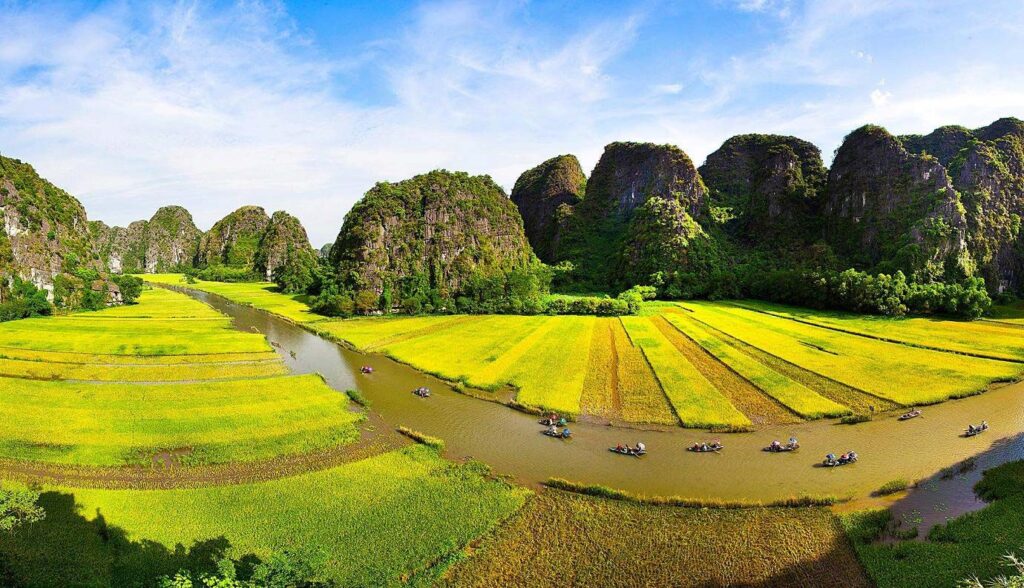
Often called “Ha Long Bay on land,” Ninh Binh is famous for karst mountains, rivers, and temple views. It works as a day trip from Hanoi, but staying one or two nights lets you explore comfortably.
Sapa or Ha Giang
For dramatic landscapes, trekking, and mountain culture, head to Sapa or Ha Giang. Sapa is easier for first-timers who want guided trekking. Ha Giang is perfect for travelers seeking a longer road trip and big scenery.
Sapa Travel Guide: Trekking, Weather & Best Things to Do
Hue
Hue offers historical sites, royal tombs, and a calmer atmosphere. It’s a great stop between the north and central Vietnam.
Da Nang
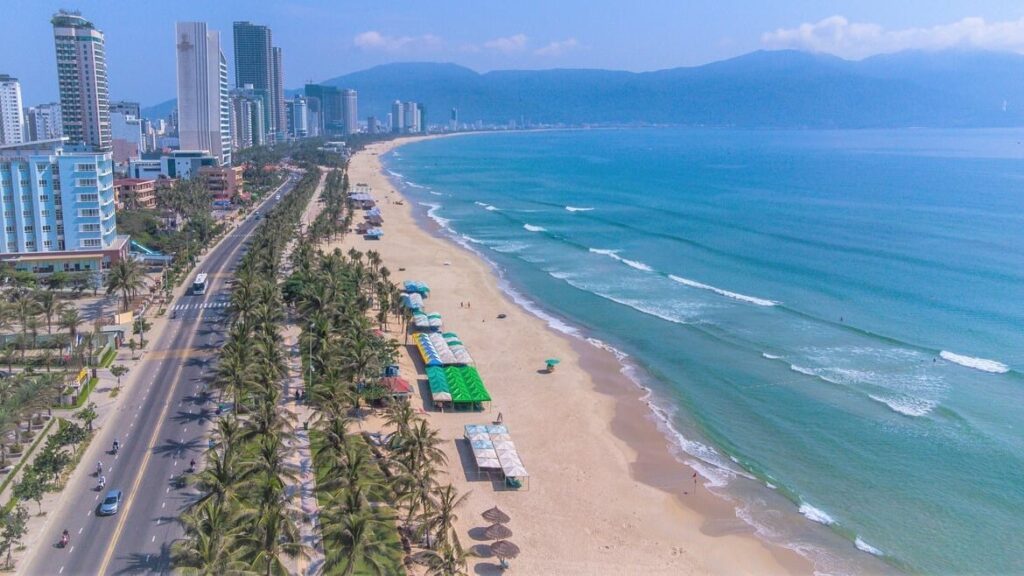
Da Nang is a modern beach city and an excellent base for exploring central Vietnam. It offers great hotels, good food, and day trips to Hoi An, Ba Na Hills, and the Marble Mountains.
Da Nang Travel Guide: Beaches, Food & Day Trips
Hoi An
Hoi An is one of the most charming towns in Vietnam. It’s beautiful at night, but the best way to enjoy it is early in the morning before the crowds arrive. Plan at least two days here to explore the old town, beaches, and local food.
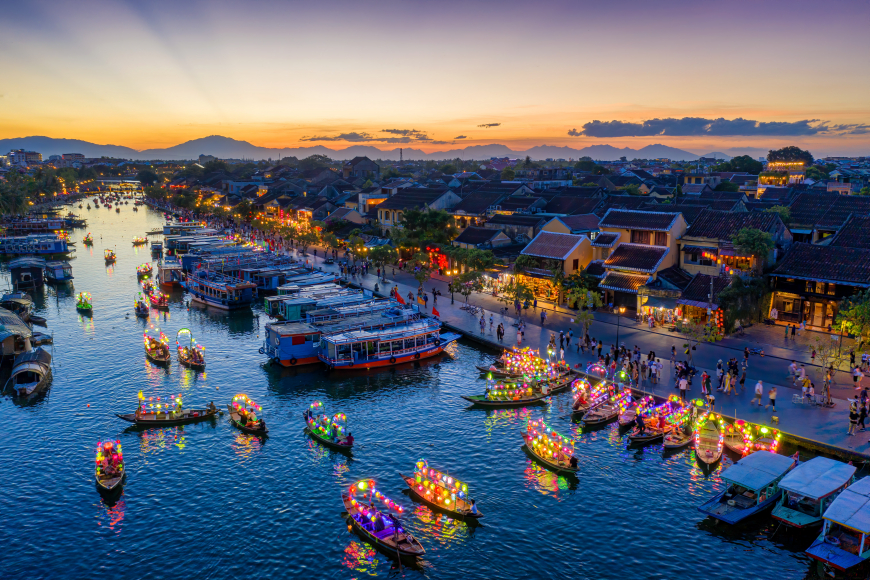
Hoi An is one of Vietnam’s most charming towns—check out our Hoi An Travel Guide for the best things to do, where to stay, and local food spots.
Ho Chi Minh City (Saigon)
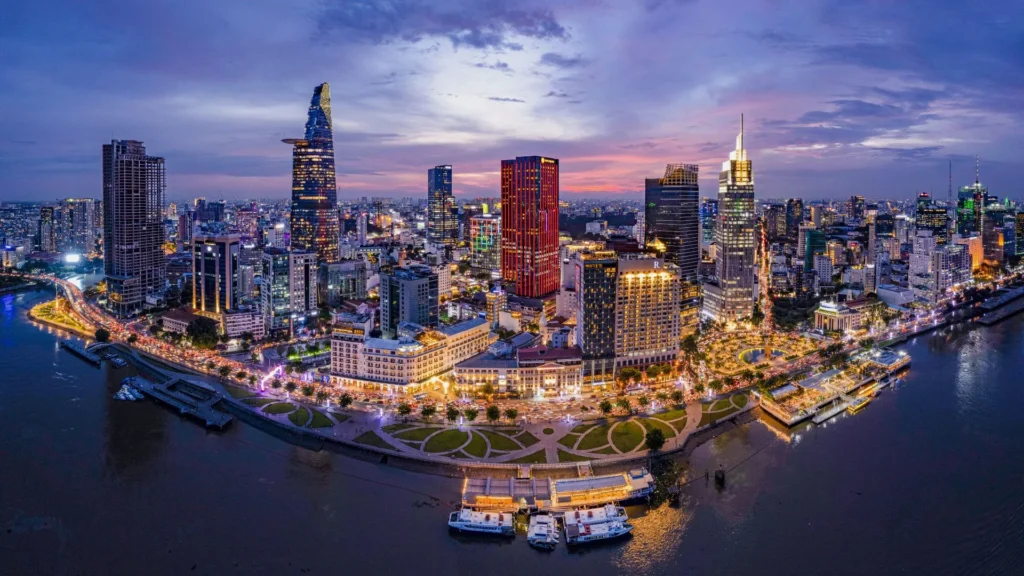
Ho Chi Minh City is fast-paced and exciting, with strong café culture, nightlife, and historical attractions. It’s also the best gateway to the Mekong Delta and southern Vietnam.
Mekong Delta
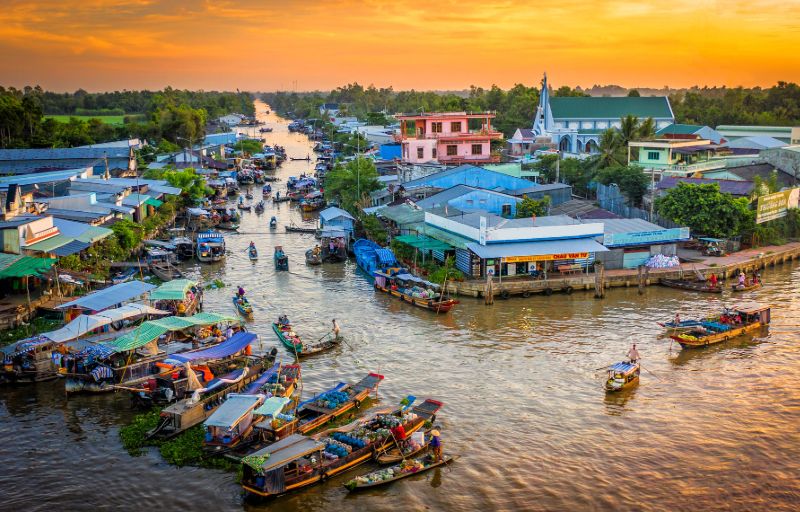
The Mekong Delta offers a different side of Vietnam—river life, floating markets, small villages, and fruit farms. A one- or two-day tour is usually enough for first-timers.
Phu Quoc
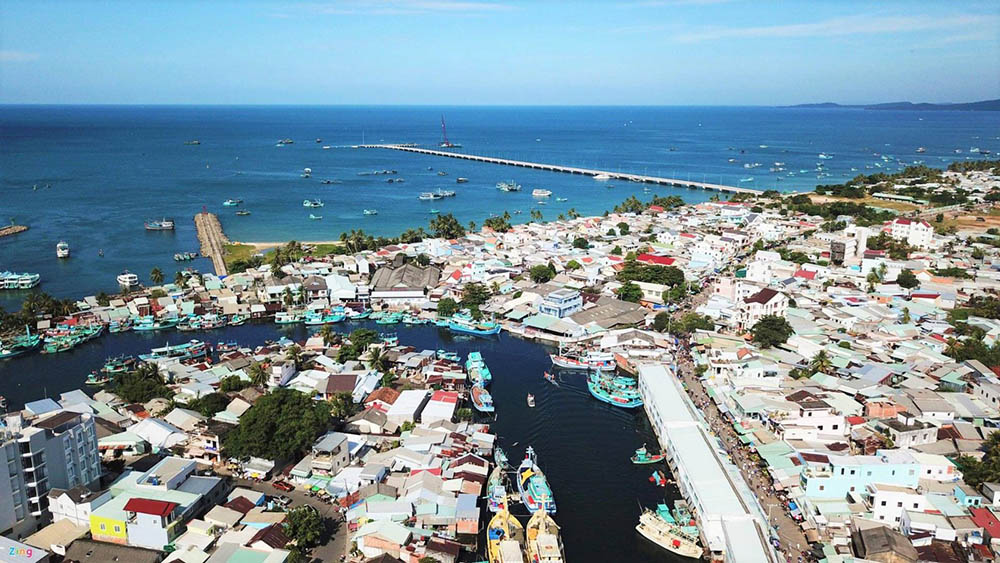
Phu Quoc is ideal if you want beach time after a busy itinerary. It’s best for travelers who want resort relaxation with easy island travel.
If you’re unsure where to start, this Vietnam Travel Guide recommends focusing on Hanoi, central Vietnam (Da Nang and Hoi An), and Ho Chi Minh City for a well-rounded first trip.
Vietnam Itineraries for First-Time Visitors (7, 10, and 14 Days)
This Vietnam Travel Guide includes sample itineraries you can follow or adjust.
Vietnam 7-Day Itinerary (Highlights)
-
Day 1–2: Hanoi
-
Day 3: Ninh Binh day trip
-
Day 4–5: Ha Long Bay cruise
-
Day 6–7: Da Nang and Hoi An
Vietnam 10-Day Itinerary (Most Popular)
-
Day 1–2: Hanoi
-
Day 3: Ninh Binh
-
Day 4–5: Ha Long Bay
-
Day 6–7: Hoi An
-
Day 8–10: Ho Chi Minh City and Mekong Delta
Vietnam 14-Day Itinerary (Best Balance)
-
Day 1–3: Hanoi
-
Day 4: Ninh Binh
-
Day 5–6: Ha Long Bay
-
Day 7–8: Hue
-
Day 9–10: Da Nang and Hoi An
-
Day 11–12: Ho Chi Minh City
-
Day 13: Mekong Delta
-
Day 14: Phu Quoc or an extra day in Ho Chi Minh City
If you’re planning a short trip, don’t overpack your schedule. Vietnam travel becomes far more enjoyable when you build in breathing room.
How to Get Around Vietnam (Transport Guide)
Vietnam transportation is affordable and relatively easy once you know the options.
Domestic flights
Domestic flights are the fastest way to travel long distances. They are ideal for routes like Hanoi to Da Nang or Da Nang to Ho Chi Minh City.
Trains
Trains are a comfortable, scenic option, especially between Hanoi, Hue, and Da Nang. If you want a slower travel day with interesting views, trains are a great choice.
Sleeper buses
Sleeper buses are budget-friendly and cover many routes, but comfort and safety can vary. Choose reputable bus companies and avoid last-minute bookings during holidays.
Grab and taxis
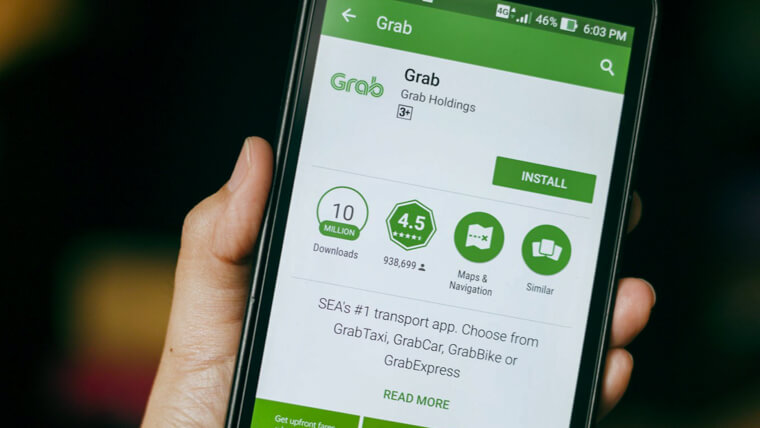
Grab is widely used in major cities and is the easiest way to avoid taxi scams. If you need a taxi, stick to reputable companies.
Where to Stay in Vietnam (Best Areas for First-Timers)
Choosing the right area saves time and improves your trip.
-
Hanoi: Old Quarter
-
Da Nang: My Khe Beach area
-
Hoi An: Ancient Town or An Bang Beach
-
Ho Chi Minh City: District 1 for convenience or District 3 for a more local feel
-
Phu Quoc: Long Beach area
Booking early is recommended if you’re traveling between December and April, especially around holiday seasons.
Vietnam Travel Costs (Budget Breakdown for 2026)
Vietnam is still affordable in 2026, though prices vary depending on your travel style.
Daily budget estimate (per person)
-
Budget travelers: $25–$45 per day
-
Mid-range travelers: $50–$120 per day
-
Luxury travelers: $150–$300+ per day
Typical costs
-
Street food meal: $1–$3
-
Restaurant meal: $5–$12
-
Coffee: $1–$3
-
Local beer: $1–$2
-
Grab ride (short distance): $1–$5
-
Ha Long Bay cruise (1 night): $120–$250+
Carry cash for street food, markets, and smaller shops, and keep smaller bills for convenience.
What to Eat in Vietnam (Must-Try Foods)
Vietnamese cuisine is one of the top reasons to visit.
-
Pho (beef or chicken noodle soup)
-
Banh Mi (Vietnamese baguette sandwich)
-
Bun Cha (Hanoi grilled pork with noodles)
-
Cao Lau (Hoi An specialty noodles)
-
Bun Bo Hue (spicy beef noodle soup)
-
Goi Cuon (fresh spring rolls)
-
Vietnamese iced coffee and egg coffee
Street food is often safe and delicious when it’s freshly cooked and served hot. Look for stalls with locals, fast turnover, and clean prep areas.
Safety Tips and Common Scams
Vietnam is generally safe for tourists, including solo travelers. Still, it helps to stay aware in busy areas.
Common issues include taxi overcharging, inflated tourist menus, rental scams, pickpocketing, and confusion with currency.
To stay safe:
-
Use Grab for city transport
-
Keep valuables secure, especially in crowded areas
-
Carry a copy of your passport and visa
-
Don’t hand over your passport as a deposit for rentals
-
Be cautious when crossing roads and follow local walking patterns
What to Pack for Vietnam
Packing depends on season and region, but these essentials work almost anywhere.
-
Lightweight clothing and a rain jacket
-
Comfortable walking shoes or sandals
-
Sunscreen and mosquito repellent
-
Universal power adapter
-
Reusable water bottle
-
Waterproof phone pouch for boat trips
-
Copies of travel documents
-
Travel insurance
If you plan to visit temples, pack modest clothing that covers shoulders and knees.
Useful Apps for Vietnam Travel
These apps make travel easier for first-time visitors:
-
Grab
-
Google Maps
-
Google Translate
-
Booking and Agoda
-
Klook or GetYourGuide
Cultural Etiquette (Do’s and Don’ts)
Vietnamese culture values respect and politeness. A little cultural awareness goes a long way.
Do:
-
Dress modestly in temples and religious sites
-
Speak politely and use a calm tone
-
Use two hands when giving or receiving items, especially with older people
Don’t:
-
Touch someone’s head
-
Point your feet toward altars
-
Raise your voice in public
Mistakes to Avoid in Vietnam (First-Time Travelers)
This Vietnam Travel Guide highlights common mistakes that can turn a great trip into a stressful one.
-
Trying to visit too many places in a short time
-
Skipping either the north or central region
-
Only eating at trendy tourist restaurants
-
Not using Grab or reputable transport options
-
Forgetting that weather changes dramatically across regions
If you keep your route simple and travel at a comfortable pace, Vietnam becomes much more enjoyable.
Final Thoughts
Vietnam is one of the most rewarding destinations in Southeast Asia. You get world-class food, diverse landscapes, strong cultural heritage, and excellent value in one trip.
The key to a great first visit is pacing. Choose a route that fits your schedule, focus on two or three regions, and leave room for spontaneous experiences. Bookmark this Vietnam Travel Guide so you can plan flights, hotels, and day trips with confidence.
FAQs
Is Vietnam good for first-time travelers?
Yes. Vietnam is affordable and easy to travel independently, with strong food culture, good transport connections, and friendly locals. First-time visitors should focus on two to three regions to avoid rushing.
How many days do you need in Vietnam?
For a first trip, 10–14 days is ideal. With 7 days, focus on one region such as northern Vietnam or central Vietnam.
Is Vietnam safe for solo travelers?
Vietnam is generally safe, but travelers should use Grab instead of random taxis, keep valuables secure in crowded areas, and be cautious when crossing roads.
Do you need cash in Vietnam?
Yes. Many street food stalls and small shops are cash-only. Carry smaller VND notes for convenience.
What is the best month to visit Vietnam?
March to April and October to November are great months because the weather is often pleasant across multiple regions. Your ideal month depends on whether you are visiting the north, central, or south.