










Vietnam is one of the few countries where you can experience bustling cities, UNESCO heritage towns, dramatic mountains, and tropical waterways—all in just two weeks. The key is planning a route that balances travel time with real experiences.
This Vietnam 2 week itinerary (2026) is a practical north to south route, including suggested day-by-day plans, transport options, realistic budget ranges, and local tips to help you avoid common mistakes.
This guide is written based on local route planning experience and frequent itinerary-building for international visitors.
Quick Overview: Best Vietnam 14-Day Route (North to South)
Start: Hanoi (North)
Middle: Central Vietnam (Hue / Hoi An / Da Nang)
End: Ho Chi Minh City + Mekong Delta (South)
This route works best if you want a “classic Vietnam highlights” trip without feeling rushed.

Day-by-Day Vietnam 2 Week Itinerary (North to South)
Days 1–3: Hanoi (Culture + Food)
Why here: It’s the best introduction to Vietnam’s history and street life.
Do:
-
Old Quarter walk + coffee culture
-
Hoan Kiem Lake + Temple of Literature
-
Street food tour (pho, bun cha, egg coffee)
Local tip: If you land late, book a private pickup to avoid taxi hassles and long lines.
Days 4–5: Ninh Binh (Nature + Slow Travel)
Why here: Dramatic limestone scenery without going too far.
Do:
-
Trang An boat ride (more scenic & regulated)
-
Hang Mua viewpoint (sunrise is best)
-
Cycling through villages and rice fields
Stay: 1 night for a calmer experience than a rushed day trip.

Days 6–7: Ha Long Bay / Lan Ha Bay (Cruise)
Why here: One of Vietnam’s most iconic landscapes.
Best choice:
-
Want classic? Ha Long Bay
-
Want quieter? Lan Ha Bay
Do: 1-night cruise is the minimum to enjoy sunrise + kayaking.
Ha Long Bay is a highlight of northern Vietnam, best explored on an overnight cruise that allows time for kayaking and quiet morning views: Ha Long Bay Travel Guide
Day 8: Fly to Central Vietnam (Da Nang) → Hoi An
Why fly: Overnight trains look romantic but often cost you a whole day of energy.
Route: Hanoi → Da Nang (flight) → transfer to Hoi An (45–60 mins)
Days 9–11: Hoi An + Hue (Culture + Heritage)
Hoi An (2 days):
-
Lantern streets at night (early evening is best)
-
Cooking class / market visit
-
Countryside bike ride
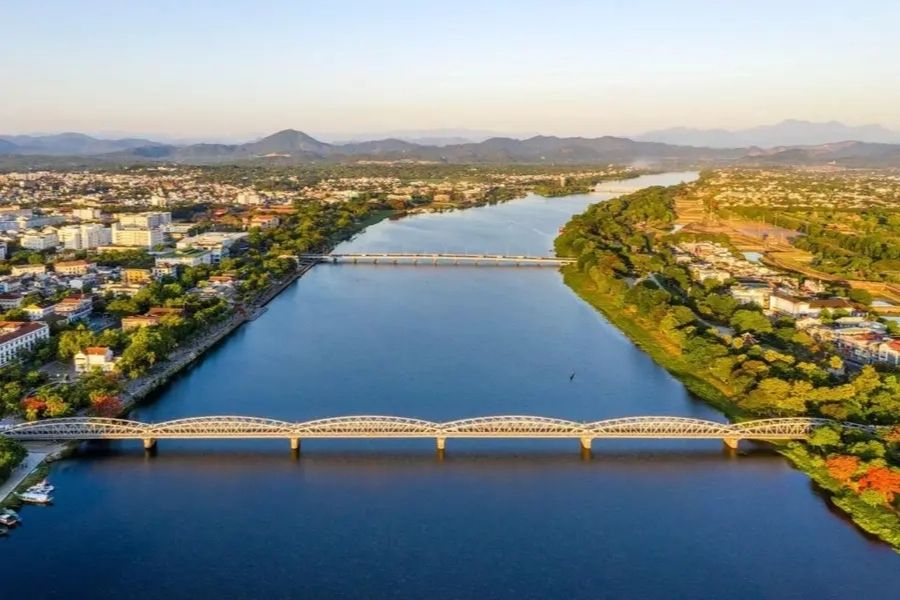
Hue (1 day or 1 night):
-
Imperial Citadel
-
Royal tombs
-
Local food: bun bo Hue, banh beo, banh nam
Local tip: Hue is best with a guide or driver—sites are spread out.
Hue offers a deeper look into Vietnam’s imperial past, with royal tombs, ancient citadels, and traditional cuisine that reflect the country’s former capital: Hue Travel Guide
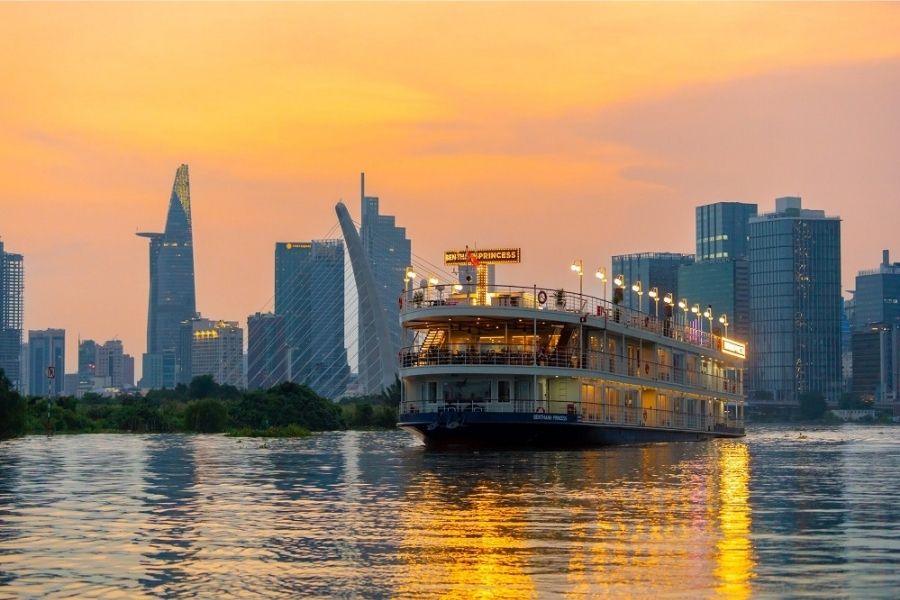
Days 12–13: Ho Chi Minh City (Saigon)
Do:
-
Ben Thanh / local markets
-
Coffee scene + street food
-
War Remnants Museum (if you want context/history)
-
Rooftop skyline at night
Stay: District 1 for walkability.
Day 14: Mekong Delta Day Trip (or 2D1N option)
Day trip is best for: first-timers with limited time
2D1N is best for: slower pace, deeper village experience
Do:
-
Boat + canals
-
Fruit gardens / coconut candy workshops
-
Local lunch + countryside stops
Visiting the floating markets in the Mekong Delta is one of the most authentic ways to experience daily life along Vietnam’s southern waterways: Floating Markets in the Mekong Delta

Vietnam 2 week itinerary: Transport Plan (Fast + Efficient)
To keep the itinerary smooth:
-
Hanoi → Ninh Binh: private car / train
-
Ninh Binh → Ha Long: private transfer
-
Ha Long → Hanoi: transfer back + fly next day (or same day if timing works)
-
Hanoi → Da Nang: flight
-
Central → HCMC: flight (Da Nang or Hue airport)
-
HCMC → Mekong: day tour / private car
Best overall option: a mix of private driver + domestic flights.
Vietnam 2 week itinerary Trip Cost (2026 Estimate)
Here’s a realistic daily range per person (excluding international flights):
Budget traveler: $45–$75/day
-
guesthouses, local meals, buses
-
day tours instead of private
Mid-range (most travelers): $90–$160/day
-
3–4★ hotels, domestic flights, a few private transfers
-
1-night cruise
Comfort / private style: $170–$300+/day
-
boutique stays, private driver, curated experiences
-
better cruise cabin + flexible schedule
Costs change by season (Tet & peak months increase prices), cruise standard, and transport style.
Common Vietnam Planning Mistakes (and How to Avoid Them)
-
Trying to do too many places
Choose quality stops over quantity. -
Underestimating travel time
Mountain routes (Sapa/Ha Giang) take longer than maps suggest. -
Skipping buffer days
Add one “slow day” after a cruise or flight. -
Booking Ha Long cruise too late
Good cabins sell out early in peak season. -
Assuming weather is the same everywhere
North can be cool while south stays warm.
Best Time for a North-to-South Itinerary
-
Nov–April: best overall comfort
-
Jan–Feb: cooler in the north, great cultural atmosphere
-
Summer: greener but hotter + more rain
FAQ: Vietnam 2 week itinerary
Is 2 weeks enough for Vietnam?
Yes—if you follow a focused route like this one.
Should I add Sapa or Ha Giang?
Only if you’re okay removing another stop (you can’t “add” without rushing). Sapa/Ha Giang are best for 3–5 extra days.
Do I need a private driver?
Not required, but it makes the trip smoother—especially for Ninh Binh, Hue, and Mekong routes.
Final Thoughts
This Vietnam 2 week itinerary (2026) gives you a balanced north-to-south journey without burnout—mixing city life, nature, heritage, and local culture.
From historic cities to natural landscapes and vibrant local life, Vietnam is best explored with intention—and two weeks gives you the time to do it well.
For visual inspiration and recent trips, visit Maverick Journeys on Instagram