










Arriving in a new country can feel overwhelming — especially after a long flight. This complete vietnam airport guide walks you through everything you need to know about arrival procedures, immigration, baggage claim, airport transfers, and buying a SIM card.
Whether you land in Hanoi, Ho Chi Minh City, or Da Nang, the arrival process is generally straightforward. Knowing the steps in advance will help you move through the airport quickly and confidently.
Let’s go step by step.
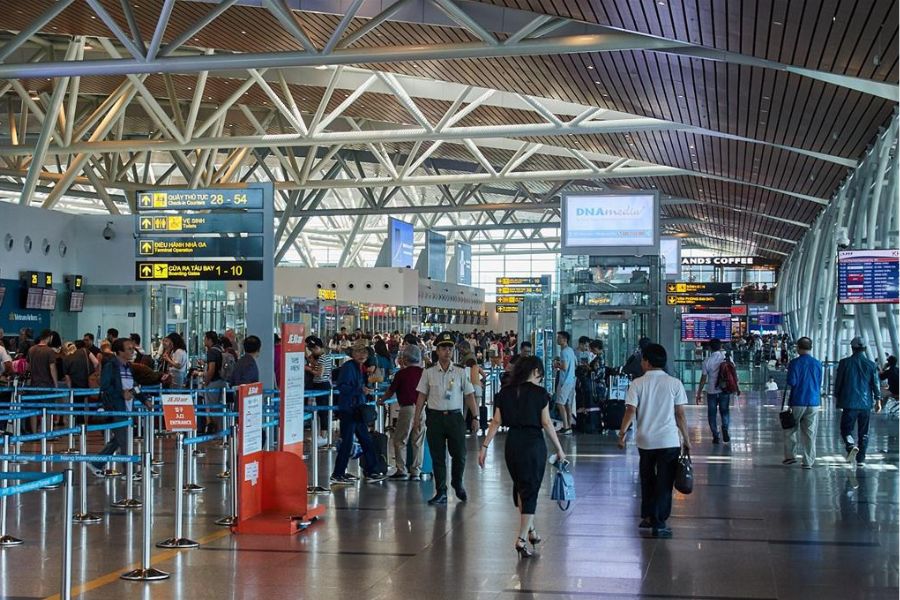
Before stepping off the plane, it helps to review our comprehensive overview of what makes Vietnam a must-visit destination: Visit Vietnam
1. Major International Airports in Vietnam
Most international travelers arrive at one of three airports:
-
Noi Bai International Airport (Hanoi – HAN)
-
Tan Son Nhat International Airport (Ho Chi Minh City – SGN)
-
Da Nang International Airport (Da Nang – DAD)
Ho Chi Minh City is usually the busiest, while Da Nang tends to feel more compact and easy to navigate.
This vietnam airport guide applies to all three airports, with only minor layout differences.
2. What to Prepare Before Landing
Have these documents ready before reaching immigration:
-
Passport (valid for at least six months)
-
Valid visa or approved e-visa
-
Printed e-visa copy
-
Return or onward ticket
-
Accommodation address
Even if your e-visa is digital, carrying a printed copy can save time if airport systems are slow.
3. Immigration Process Explained
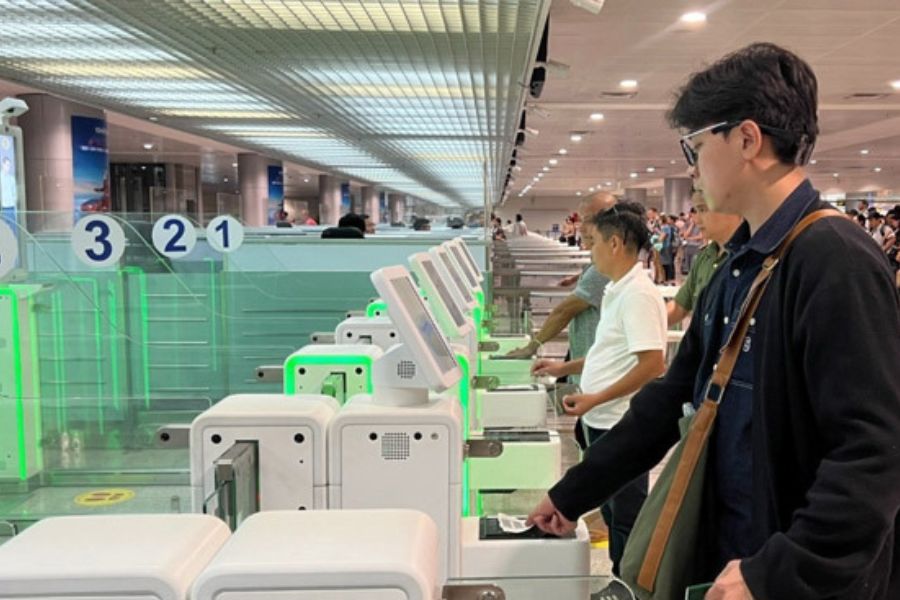
After landing, follow the “Arrivals” signs to immigration.
At the counter, you will:
-
Present your passport and visa
-
Answer basic questions about your stay
-
Receive an entry stamp
Processing time varies:
-
10–20 minutes during quiet periods
-
30–60 minutes during peak hours
Tan Son Nhat Airport in Ho Chi Minh City typically has the longest queues.
4. Baggage Claim and Customs
Once your passport is stamped:
-
Check flight information screens for your carousel number
-
Collect your luggage
-
Proceed through customs
Vietnam usually operates a green channel (nothing to declare) and a red channel (items to declare). Most travelers pass through quickly without inspection.
Free luggage trolleys are available at major airports.
5. Airport Transfers: Getting to the City
Understanding transport options is a key part of any vietnam airport guide.
Taxi
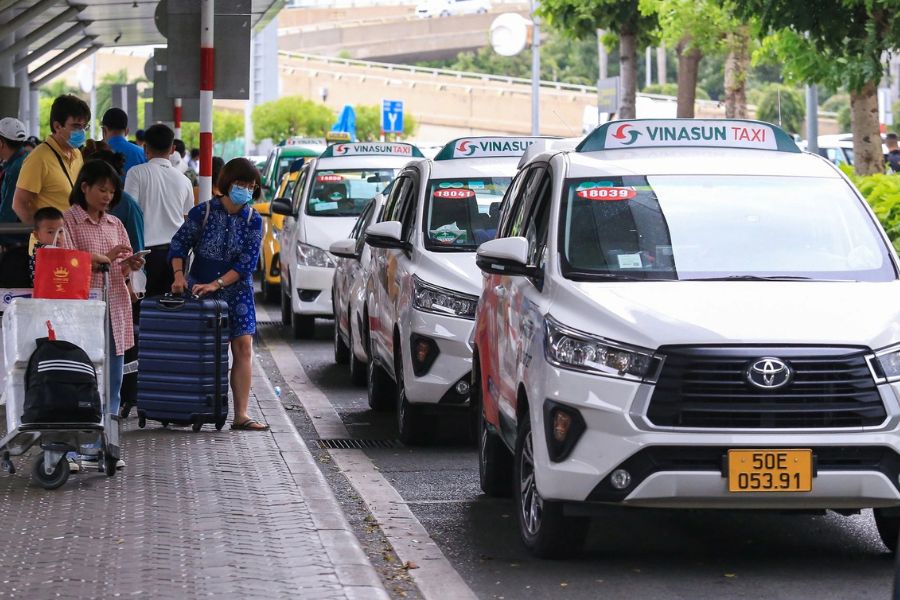
Use official taxi companies such as Mai Linh or Vinasun (mainly in Ho Chi Minh City). Avoid drivers who approach you aggressively inside the terminal.
Estimated transfer times:
-
Hanoi: 30–45 minutes
-
Ho Chi Minh City: 25–40 minutes
-
Da Nang: 10–20 minutes
Choosing the best season to visit can make your airport arrival and onward travel much smoother — see our guide on the best time to visit Vietnam for detailed weather tips.
Ride-Hailing Apps
Grab is widely used in Vietnam. It offers transparent pricing and eliminates negotiation. You will need mobile data to book a ride.
Private Transfer
Pre-booked private transfers are ideal after long flights. A driver waits with your name sign and provides fixed pricing without surprises.
6. Buying a SIM Card at the Airport
Mobile data is one of the first things most travelers arrange upon arrival.
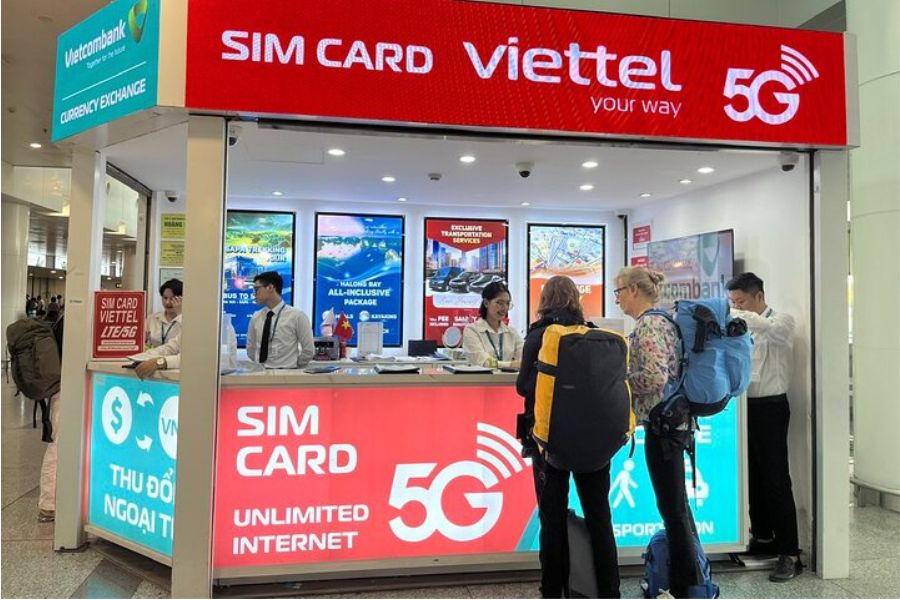
SIM card counters are located in the arrival hall after customs.
Main providers:
-
Viettel
-
Vinaphone
-
Mobifone
Typical tourist SIM packages include:
-
5–15GB of data
-
15–30 days validity
Estimated cost ranges from 8 to 15 USD.
Tips:
-
Bring your passport for registration
-
Ask staff to activate the SIM immediately
-
Test mobile data before leaving the counter
Airport prices may be slightly higher than in the city, but the convenience is worth it for most travelers.
7. Currency Exchange and ATMs
Currency exchange counters and ATMs are available in the arrival area.
It is advisable to exchange only a small amount at the airport due to slightly higher rates. ATMs often provide better exchange value.
Vietnam uses cash widely for small purchases, although hotels and larger restaurants accept credit cards.
If you prefer a tailored experience that includes airport pickups and smooth city transfers, explore how we can craft your ideal Vietnam custom itinerary
8. Domestic Connections
If you are connecting to a domestic flight:
-
Follow the Domestic Transfer signs
-
Some airports require you to collect and re-check luggage
-
Allow at least 2–3 hours for connections
Hanoi and Ho Chi Minh City have separate domestic terminals located within walking distance or a short shuttle ride.
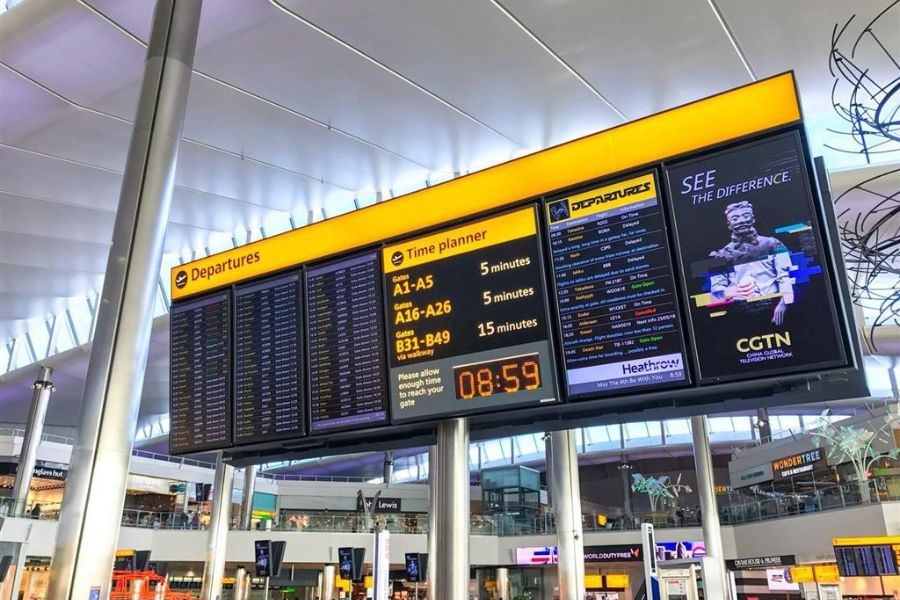
9. Common Mistakes to Avoid
Travelers sometimes make simple arrival mistakes:
-
Forgetting to print the e-visa
-
Using unofficial taxis
-
Not confirming SIM activation
-
Exchanging too much cash at the airport
-
Forgetting the hotel address
Being prepared helps you exit the airport quickly and start your trip stress-free.
Final Thoughts
Vietnam’s airports are generally organized, safe, and clearly signposted in English. While they may feel busy at peak times, the process is straightforward when you understand each step.
This vietnam airport guide is designed to help you land with confidence, clear immigration smoothly, get connected with a SIM card, and reach your hotel without unnecessary stress.
With the formalities completed, your Vietnam adventure can begin right away.
Frequently Asked Questions About Vietnam Airports
1. How long does immigration take at Vietnam airports?
Immigration processing usually takes between 15 and 45 minutes, depending on arrival time and airport traffic. Tan Son Nhat Airport in Ho Chi Minh City often has longer queues during peak hours. Preparing your documents in advance helps speed up the process.
2. Do I need to print my Vietnam e-visa?
Yes, it is highly recommended to bring a printed copy of your e-visa. Although digital copies are sometimes accepted, having a printed version avoids delays if airport systems experience issues.
3. Can I buy a SIM card at Vietnam airport?
Yes, SIM cards are available at official telecom counters in the arrival hall after customs. Most tourist SIM packages include 5–15GB of data and cost between 8 and 15 USD. This vietnam airport guide recommends testing the SIM before leaving the counter.
4. Is it safe to take a taxi from the airport?
Yes, but only use official taxi companies or ride-hailing apps like Grab. Avoid drivers who approach you aggressively inside the terminal. Pre-booked private transfers are also a safe and convenient option.
5. Should I exchange money at the airport?
You can exchange a small amount for immediate expenses, but airport rates are usually slightly higher. ATMs often offer better exchange rates. Most major airports in Vietnam have multiple ATM options in the arrival area.
6. How early should I arrive for a domestic connection?
If connecting to a domestic flight, allow at least 2 to 3 hours. Some airports require you to collect and re-check luggage before transferring to the domestic terminal.
7. Are Vietnam airports easy to navigate for first-time visitors?
Yes. Major airports are well signposted in English and generally organized. This vietnam airport guide is designed to help first-time visitors move confidently through arrival procedures.