









Introduction: Understanding Vietnam Coffee Culture
Vietnam coffee culture is an essential part of daily life and one of the most distinctive experiences for travelers visiting the country. Coffee in Vietnam is not just a beverage; it reflects history, social habits, and a unique approach to slowing down and enjoying the moment.
As the second-largest coffee producer in the world, Vietnam has developed a coffee identity that differs significantly from Western coffee traditions. From street-side vendors to modern specialty cafés, the diversity of coffee experiences is remarkable.
The History Behind Vietnam Coffee
Coffee was first introduced to Vietnam by the French during the 19th century. Over time, local farmers adapted to the climate and began cultivating robusta beans, which are now the dominant variety in the country.
Robusta beans have a stronger, more bitter taste and higher caffeine content compared to arabica beans. This characteristic has shaped the bold flavor profile that defines Vietnam coffee culture today.
Traditional Brewing Method: The Phin Filter
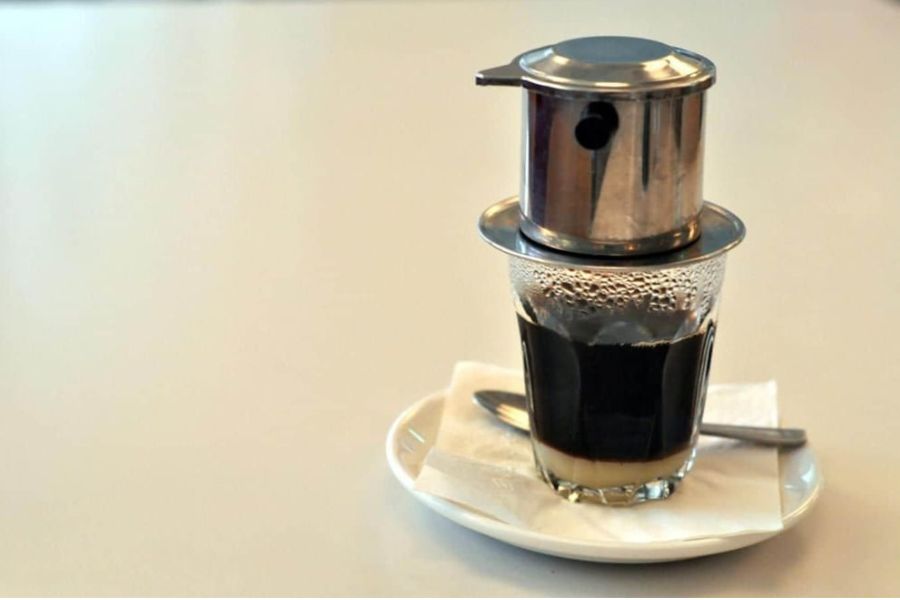
One of the most iconic elements of Vietnam coffee culture is the use of the phin filter.
The phin is a small metal drip filter placed directly on top of a cup. Hot water is poured over the coffee grounds, allowing the liquid to slowly drip into the cup below. This process takes several minutes and encourages a slower, more mindful coffee experience.
For travelers, using a phin filter is not just about taste but about experiencing an authentic local ritual.
Popular Vietnamese Coffee Drinks
Ca Phe Sua Da (Vietnamese Iced Coffee)
This is the most popular coffee in Vietnam. It combines strong black coffee with sweetened condensed milk and is served over ice. The balance between bitterness and sweetness makes it ideal for first-time visitors.
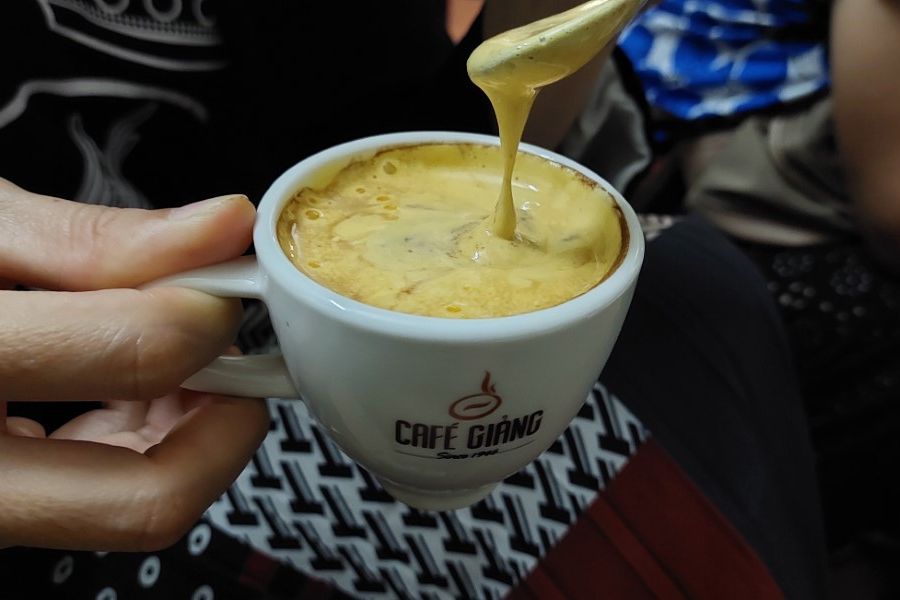
Egg Coffee (Ca Phe Trung)
Originating from Hanoi, egg coffee is made by whipping egg yolk with sugar and condensed milk, then combining it with coffee. The result is a creamy, dessert-like drink with a rich flavor.
If you enjoy local flavors, don’t miss our Vietnam street food guide to explore even more authentic dishes across the country.
Coconut Coffee (Ca Phe Dua)
A refreshing variation commonly found in southern Vietnam. It blends coffee with coconut milk and ice, creating a smooth and tropical taste.
Black Coffee (Ca Phe Den)
This is a strong and intense option without milk. It is best suited for those who enjoy bold coffee flavors.
Salt Coffee (Ca Phe Muoi)
A specialty from Hue, this drink features coffee topped with a light salty cream foam. The combination of sweet, salty, and bitter flavors creates a unique taste experience.
Many of these cafés are tucked away in quiet corners, just like the hidden gems in Vietnam waiting to be discovered.
Where to Experience Vietnam Coffee Culture
Hanoi
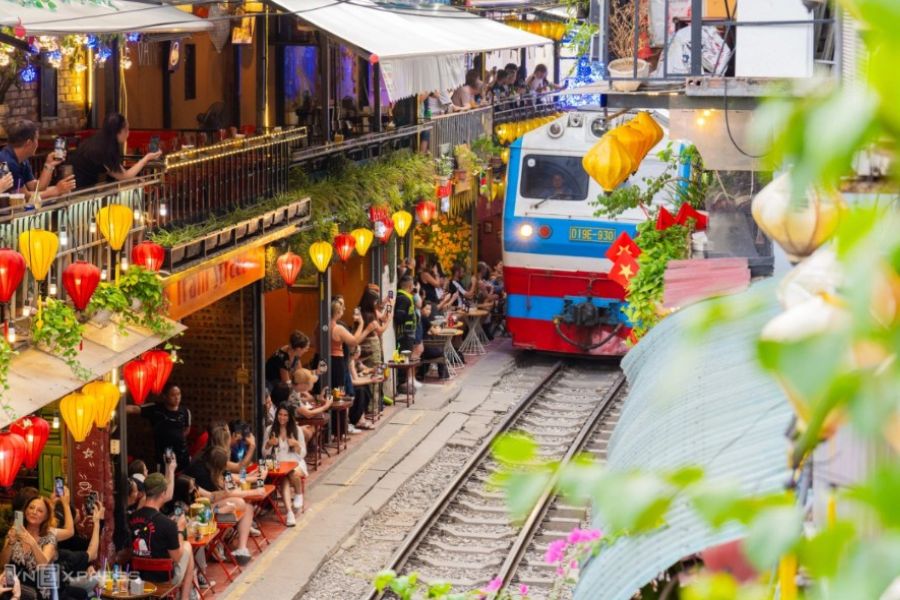
Hanoi is known for its traditional cafés and historic coffee culture. It is the best place to try egg coffee and explore small, hidden cafés.
Ho Chi Minh City
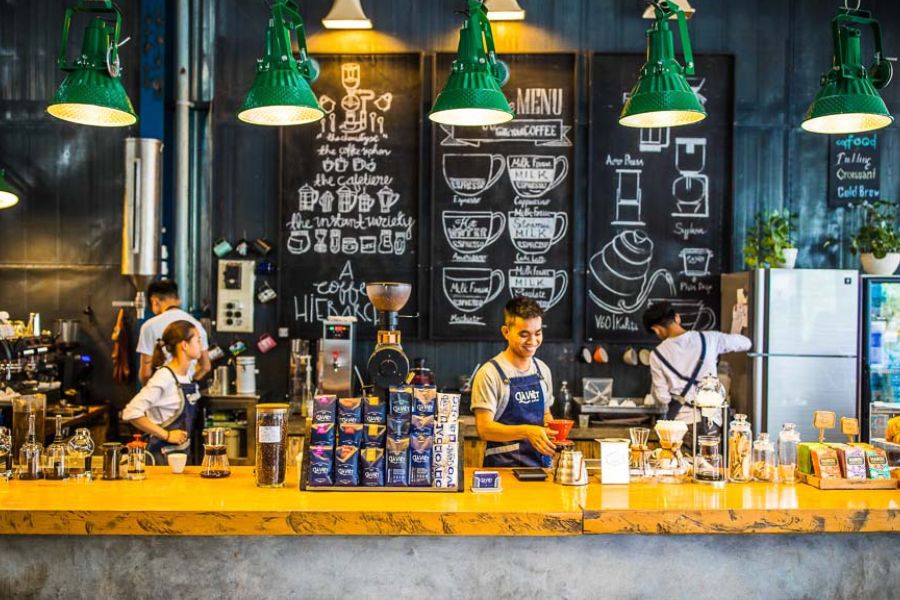
The coffee scene in Ho Chi Minh City is more modern and diverse. Travelers can find everything from street vendors to contemporary specialty cafés.
Hoi An
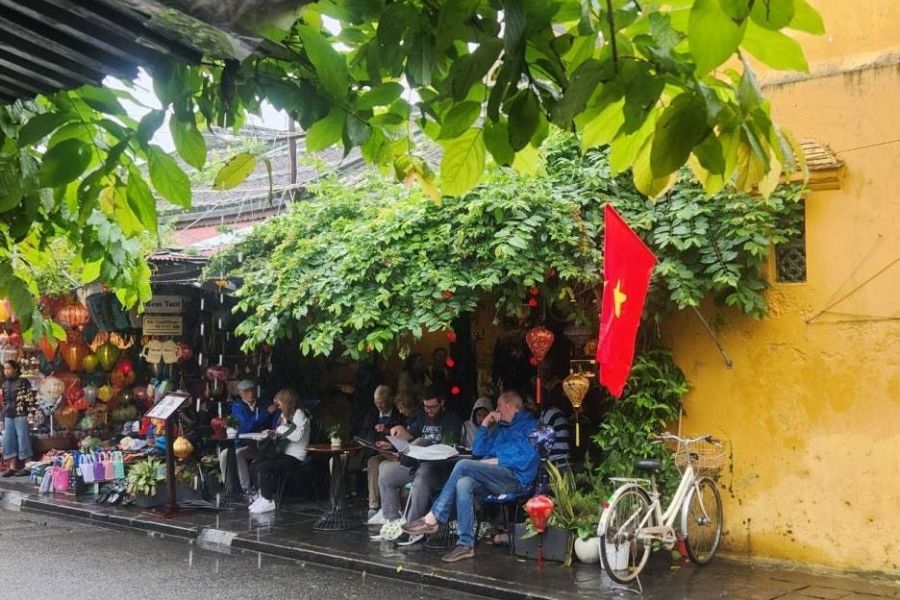
Hoi An offers a more relaxed coffee experience with scenic views and a slower pace. Riverside cafés are particularly popular among visitors.
Da Nang
Da Nang combines modern café culture with coastal views, making it an ideal destination for both relaxation and exploration.
Café Culture and Social Life
Cafés in Vietnam serve as social hubs where people gather to talk, work, or simply observe daily life. It is common to see locals spending hours at a café without rushing.
Street cafés with small stools are just as important as high-end coffee shops. Both offer different perspectives of Vietnam coffee culture, and travelers are encouraged to try both.
Practical Tips for Travelers
- Choose local cafés for a more authentic experience
- Take time to enjoy the slow brewing process
- Carry cash when visiting smaller cafés
- Visit cafés in the morning for a more local atmosphere
For a smoother journey, check out our Vietnam travel tips before planning your trip.
FAQ: Vietnam Coffee Culture
Is Vietnamese coffee stronger than other coffee?
Yes, Vietnamese coffee is typically stronger due to the use of robusta beans, which contain more caffeine.
What is the best coffee to try in Vietnam?
Ca phe sua da is the most recommended for first-time visitors, while egg coffee offers a unique local experience.
Is it safe to drink coffee in Vietnam?
Yes, coffee in Vietnam is safe and widely consumed throughout the country.
Conclusion
Vietnam coffee culture offers travelers more than just a drink. It provides insight into local traditions, daily routines, and the rhythm of life in Vietnam.
Whether you are sitting at a street café in Hanoi or enjoying a modern coffee shop in Ho Chi Minh City, each cup represents a deeper connection to the country.