










Vietnam is one of the most diverse and rewarding destinations in Southeast Asia. From historic cities and cultural landmarks to tropical beaches and dramatic landscapes, every region offers something different.
If you’re planning to travel Vietnam for the first time, one of the best ways to experience the country is by following a north-to-south route. This allows you to explore the full range of destinations while enjoying a natural travel flow.
In this guide, you’ll find the best way to travel Vietnam, including suggested routes, timelines, and practical tips to help you plan your journey with confidence.
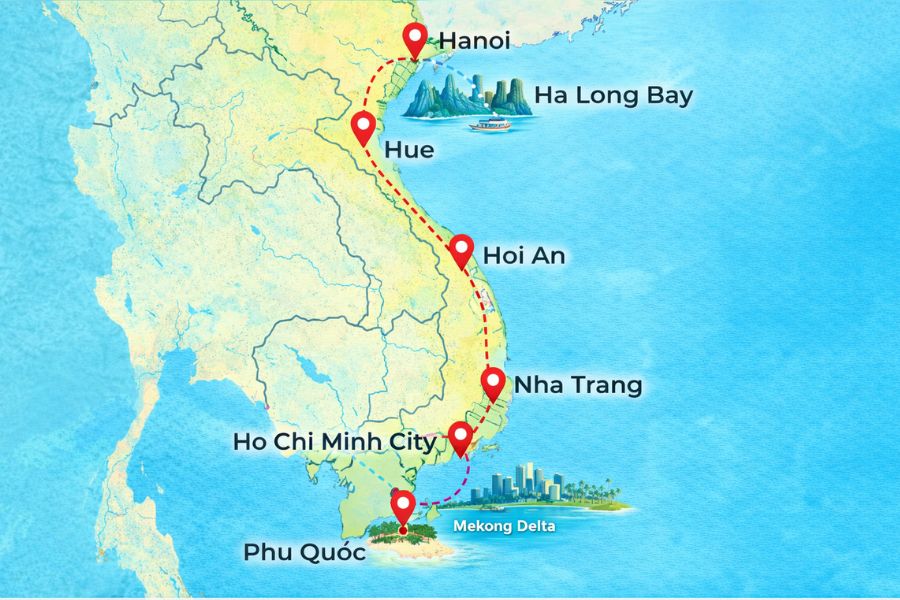
Travel Vietnam Route Overview
When travelers plan to travel Vietnam, most choose a route that starts in Hanoi and ends in Ho Chi Minh City.
A typical route looks like this:
- Hanoi
- Ha Long Bay
- Da Nang / Hoi An
- Nha Trang (optional)
- Ho Chi Minh City
- Mekong Delta or Phu Quoc
From our experience, this route works particularly well because it balances culture, nature, and relaxation. You begin your journey in the north with traditional architecture and local life, then gradually move toward modern cities and beach destinations in the south.
This is also one of the most efficient ways to travel Vietnam without unnecessary backtracking.
Travel Vietnam in 7, 10, or 14 Days
One of the most common questions when planning to travel Vietnam is how many days you actually need. The answer depends on your travel style, but here are the most realistic options.
If you’re not sure how to organize your trip, you can follow a detailed Vietnam itinerary to plan your route more efficiently and avoid missing key destinations.
Travel Vietnam in 7 Days
If you only have one week to travel Vietnam, it’s important to keep your itinerary simple.
A good plan would be:
- Hanoi (2 days)
- Ha Long Bay (1–2 days)
- Da Nang or Hoi An (2–3 days)
While it may be tempting to include more destinations, trying to travel Vietnam from north to south in 7 days often feels rushed. You’ll spend more time moving than actually enjoying each place.
In our experience, focusing on fewer destinations leads to a much better travel experience.
Beyond the popular destinations, Vietnam also has many lesser-known places worth exploring. If you prefer unique and quieter experiences, consider visiting some of the hidden gems in Vietnam along your route.
Travel Vietnam in 10 Days
For many travelers, 10 days is the ideal amount of time to travel Vietnam for the first time.
Suggested route:
- Hanoi + Ha Long Bay (3–4 days)
- Hoi An / Da Nang (3 days)
- Ho Chi Minh City (2–3 days)
This route gives you a balanced mix of culture, food, scenery, and city life. You’ll experience both the traditional charm of the north and the energy of the south without feeling overwhelmed.
Travel Vietnam in 14 Days
If you have more time, 14 days is the best way to travel Vietnam comfortably.
A complete route could include:
- Hanoi + Ha Long Bay
- Hue, Da Nang, and Hoi An
- Nha Trang or Phu Quoc for beach time
- Ho Chi Minh City + Mekong Delta
This itinerary allows you to slow down and truly enjoy each destination. Instead of rushing, you’ll have time to explore, relax, and experience the local culture more deeply.
If it’s your first time to travel Vietnam, this is the option we usually recommend.
Travel Vietnam from North to South or Reverse?
When planning to travel Vietnam, you might wonder which direction is better.
Most travelers choose north to south, and there are a few reasons for this.
First, the cultural flow feels more natural. You start in Hanoi, where life is more traditional and slower-paced, then gradually move toward the more modern and energetic atmosphere of Ho Chi Minh City.
Second, depending on the season, traveling north to south often helps you avoid less favorable weather conditions.
That said, there’s no strict rule. If you find better flights or deals, you can absolutely travel Vietnam from south to north.
Best Places to Visit When You Travel Vietnam
Vietnam is not just about moving from one city to another — it’s about the experiences you have along the way.
Hanoi
The capital of Vietnam offers a unique mix of history, street food, and daily local life. Walking through the Old Quarter, trying local dishes, and visiting cultural sites are all highlights.
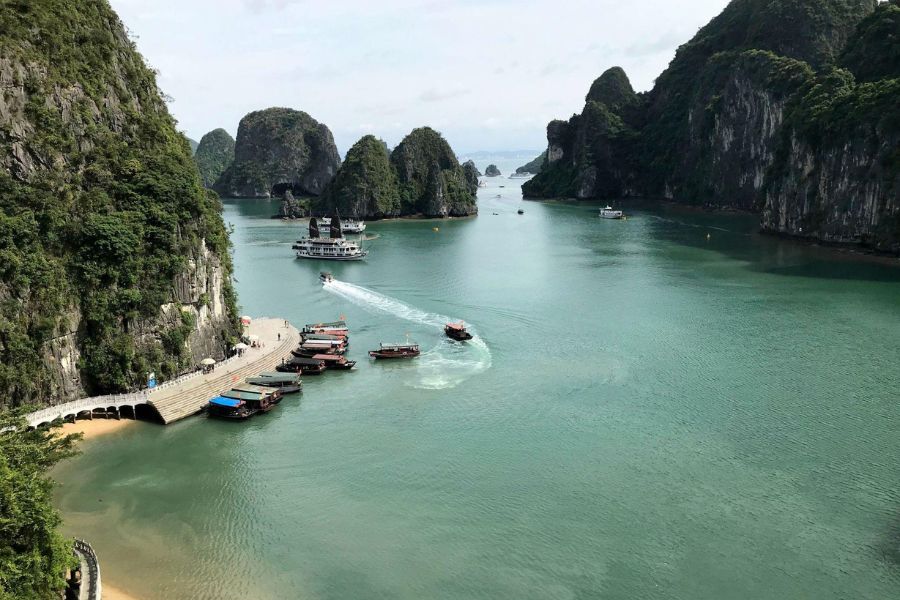
Ha Long Bay
Famous for its limestone islands and calm waters, Ha Long Bay is one of the most iconic destinations when you travel Vietnam. An overnight cruise is highly recommended if you have time.
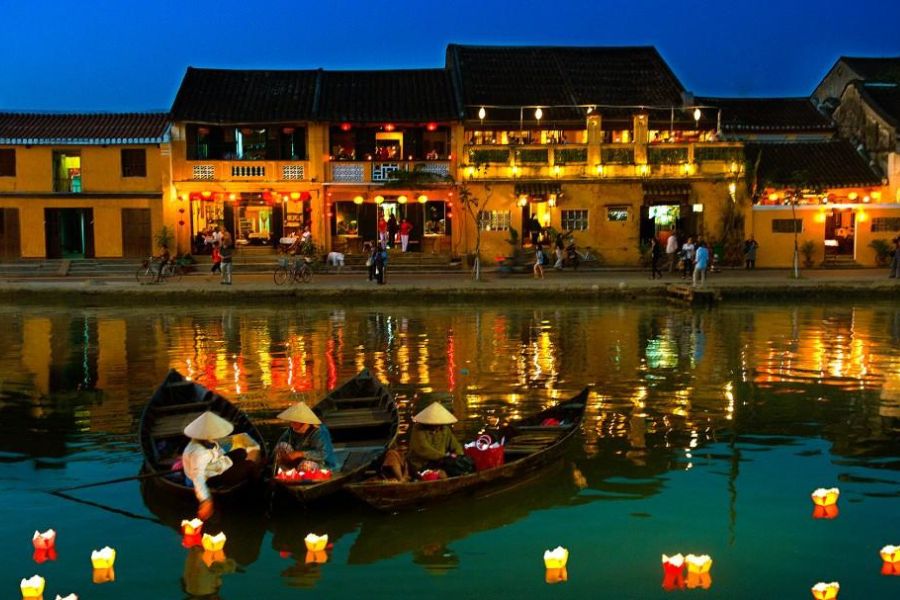
Hoi An and Da Nang
This is where many travelers choose to slow down. Hoi An is known for its lantern-lit streets, relaxed atmosphere, and great food, while Da Nang offers beaches and modern comforts.
Nha Trang
A more developed coastal city with plenty of activities. It’s a good stop if you enjoy beach life combined with nightlife.
Ho Chi Minh City
A fast-paced and modern city that shows a completely different side of Vietnam. It’s energetic, busy, and full of contrasts.
Phu Quoc
If you want to end your trip on a relaxing note, Phu Quoc is a great option. With clear water and sandy beaches, it’s perfect for unwinding after a long journey.
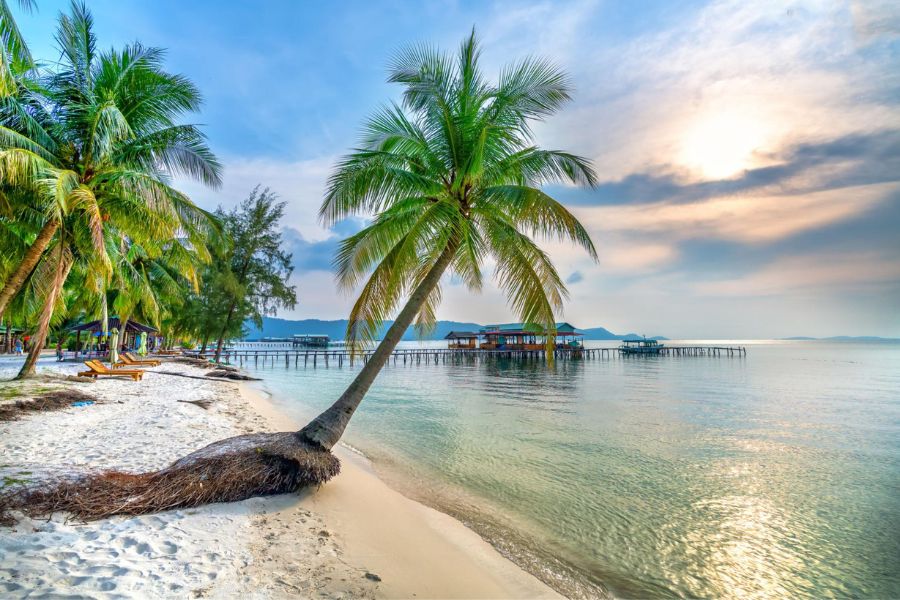
If you’re planning to relax by the sea during your journey, Vietnam offers a wide range of coastal destinations. From lively beach cities to peaceful island escapes, you can explore the best beaches in Vietnam to find the perfect place to unwind.
How to Travel Vietnam: Transportation Guide
Choosing the right transportation is an important part of planning your trip.
Flights
Flights are the fastest and most efficient way to travel Vietnam, especially for long distances. Domestic flights are relatively affordable and can save a significant amount of time.
For example, flying from Hanoi to Da Nang takes about one hour, compared to many hours by train or bus.
Trains
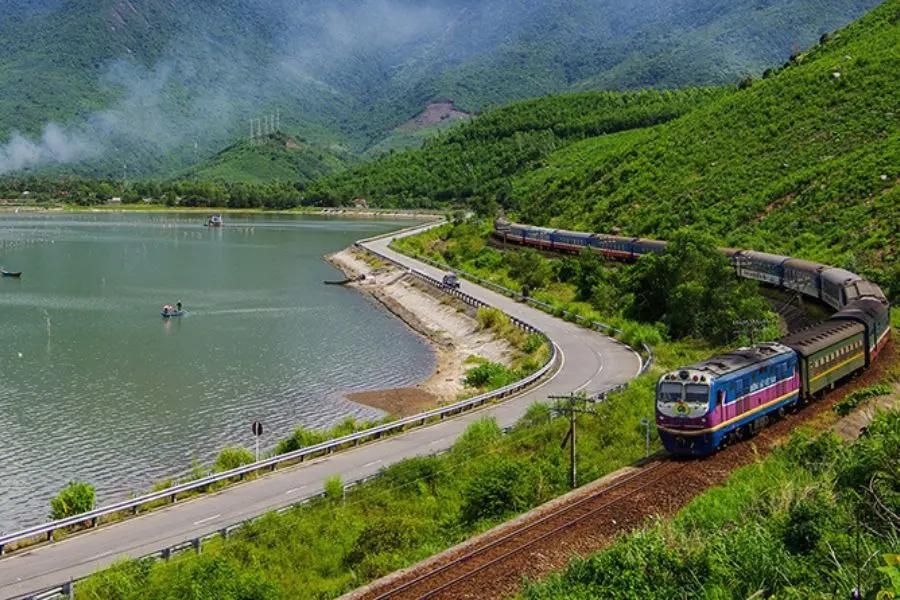
Traveling by train is more about the experience than speed. Some routes, particularly along the central coast, offer beautiful scenery.
If you enjoy slow travel and want to see more of the landscape, taking the train can be a memorable part of your journey.
Buses
Buses are the most budget-friendly option, but they are best suited for shorter distances. For long journeys, they can be less comfortable.
In most cases, combining flights and trains is the best way to travel Vietnam efficiently while still enjoying the journey.
Tips for First-Time Visitors
Plan based on travel time
Distances in Vietnam may look short on the map, but travel time can be longer than expected.
Avoid overpacking your itinerary
Trying to visit too many places in a short time can make your trip stressful instead of enjoyable.
Check the weather by region
Vietnam’s weather varies significantly between the north, central, and south. Always plan your route accordingly.
Balance your experience
The best way to travel Vietnam is to combine cities, nature, and beach destinations in one trip.
Leave room for flexibility
Some of the best travel moments happen when you slow down and explore without a strict schedule.
Final Thoughts
Travel Vietnam from north to south is more than just a trip — it’s a journey through different cultures, landscapes, and ways of life.
Each destination offers something unique, and the variety is what makes Vietnam so special. Whether you have 7, 10, or 14 days, the key is to plan a route that matches your pace and travel style.
If you’re unsure where to start or want to make the most of your time, working with local travel experts can help you create a personalized itinerary that fits your needs.
FAQ
Is it easy to travel Vietnam?
Yes, Vietnam is well connected by flights, trains, and buses, making it easy to explore the country.
How many days do you need to travel Vietnam?
Most travelers find that 10 to 14 days is ideal for a complete experience.
What is the best way to travel Vietnam?
Flights are the fastest option, while trains offer a more scenic journey.
Can I travel Vietnam independently?
Yes, Vietnam is very suitable for independent travelers, even for first-time visitors.