










The Vietnam rainy season often worries first-time visitors. Many travelers imagine constant downpours, flooded streets, and ruined sightseeing plans.
In reality, the Vietnam rainy season is much more travel-friendly than most people expect.
Vietnam stretches over 1,600 kilometers from north to south, meaning weather conditions vary significantly across different regions. While one destination may be experiencing heavy rain, another could be enjoying sunny skies and ideal travel conditions.
Understanding when and where it rains can help you plan a memorable trip regardless of the season.
When Is the Vietnam Rainy Season?
There is no single rainy season that affects the entire country at the same time.
Northern Vietnam
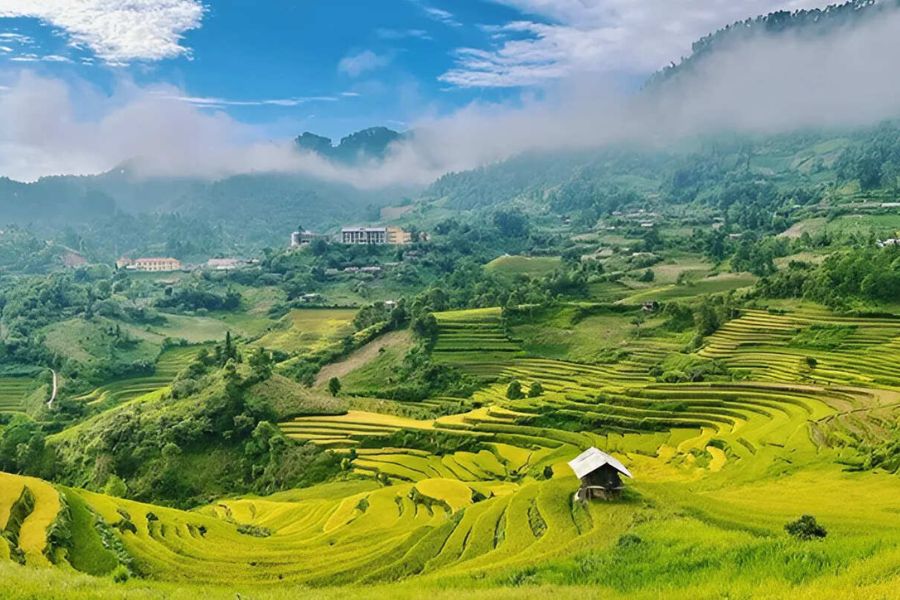
Destinations such as Hanoi, Sapa, Ninh Binh, and Ha Giang typically experience their wettest months from May to September.
Rain often comes in the form of short but intense afternoon showers rather than all-day rainfall.
Central Vietnam
Cities including Da Nang, Hoi An, and Hue generally receive the most rainfall between September and December.
This means summer can actually be one of the best times to visit central Vietnam.
Southern Vietnam
Ho Chi Minh City, the Mekong Delta, and Phu Quoc usually experience rainy season from May to November.
However, rain showers are often brief and followed by sunshine.
If you’re still deciding when to visit, our detailed guide on the best time to visit Vietnam can help you choose the right season for your trip.
Is It Worth Visiting Vietnam During the Rainy Season?
Absolutely.
Many experienced travelers intentionally choose the Vietnam rainy season because it offers several advantages:
- Fewer tourists at major attractions
- Lower hotel prices
- Greener landscapes
- More authentic local experiences
- Less crowded beaches and cultural sites
Some of Vietnam’s most beautiful scenery appears immediately after rainfall, especially in mountain regions and rice-growing areas.
Best Places to Visit During the Vietnam Rainy Season
Choosing the right destination makes all the difference.
Da Nang
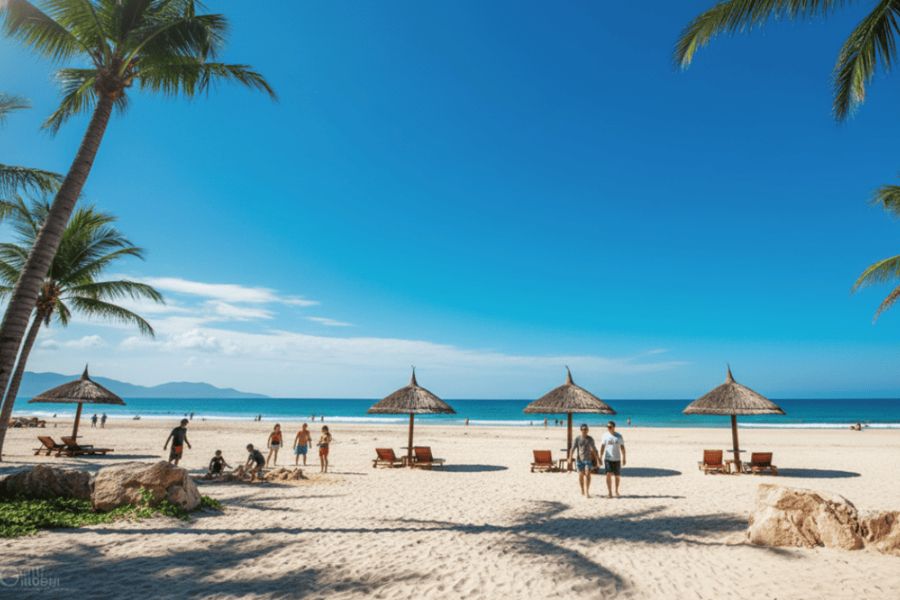
During June, July, and August, Da Nang often enjoys sunny weather despite rainy conditions in other parts of the country.
Travelers can combine beaches, local cuisine, and cultural attractions while enjoying relatively stable weather.
Hoi An
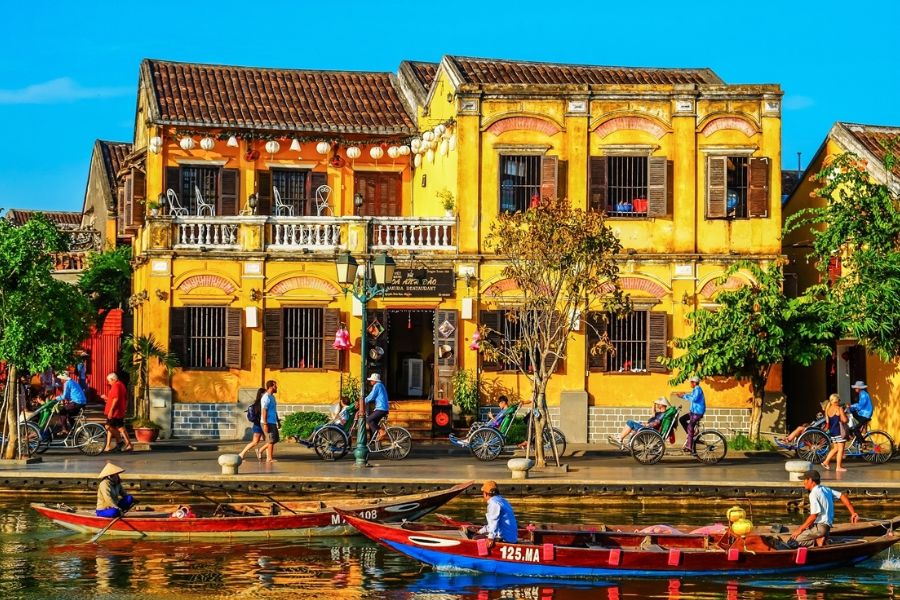
Hoi An remains one of Vietnam’s most charming destinations year-round.
During light rain, the ancient town becomes even more atmospheric with glowing lanterns reflected on wet streets.
Ha Giang
The rainy season transforms Ha Giang’s mountains into vibrant shades of green.
While road conditions require caution, many photographers consider this one of the most beautiful times to visit.
Mekong Delta
Rain enhances the lush tropical scenery of southern Vietnam and brings life to rivers, canals, and floating markets.
What to Pack for Vietnam Rainy Season Travel
Packing wisely can make your trip much more comfortable.
Essential items include:
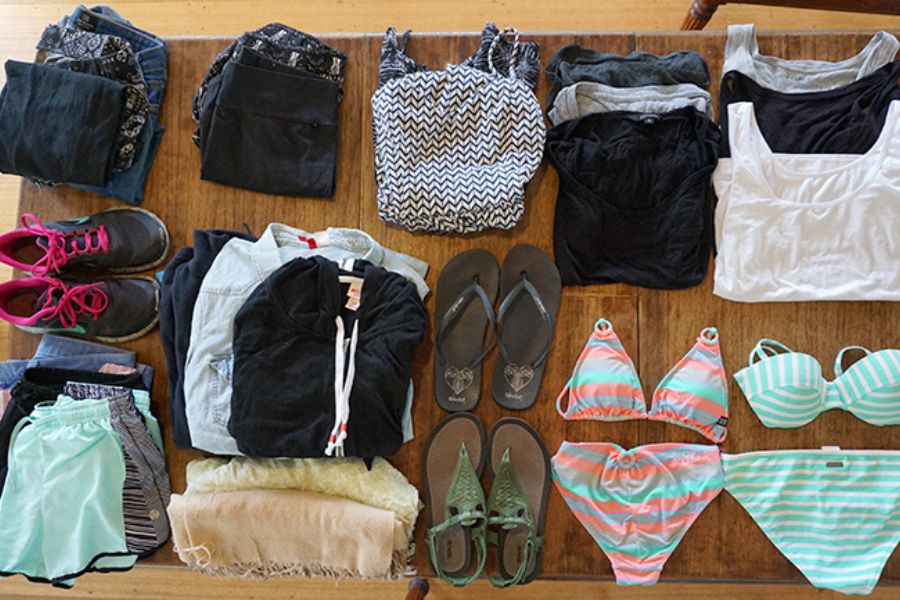
- Lightweight waterproof jacket
- Quick-dry clothing
- Comfortable walking shoes
- Small travel umbrella
- Waterproof phone pouch
- Portable power bank
- Insect repellent
Avoid packing heavy winter clothing unless you are visiting northern mountain regions during colder months.
Before packing, check out our complete Vietnam packing list to make sure you’re prepared for different weather conditions across the country.
Common Misconceptions About the Vietnam Rainy Season
It rains all day
Not usually.
In many regions, rainfall lasts only one to two hours before skies clear again.
Outdoor activities become impossible
Many attractions remain accessible during rainy periods.
Boat tours, food tours, cultural experiences, and sightseeing activities continue throughout the season.
Rain ruins photography
Many photographers actually prefer the rainy season because of dramatic skies, misty mountains, and vibrant landscapes.
Travel Tips for the Vietnam Rainy Season
To make the most of your trip:
Plan flexible schedules
Avoid overloading your itinerary with tightly scheduled activities.
Start early
Morning weather is often more stable than late afternoon.
Monitor local forecasts
Weather patterns can change quickly depending on the region.
Embrace slower travel
Some of the best travel memories come from unexpected moments, such as finding a hidden café during a rain shower or exploring a local market while waiting for the weather to clear.
Many travelers find that embracing a slower pace leads to more authentic experiences, which is why slow travel in Vietnam has become increasingly popular.
Frequently Asked Questions
Is the Vietnam rainy season a bad time to visit?
No. Many travelers enjoy visiting during the rainy season because of lower prices, fewer crowds, and greener scenery.
Which part of Vietnam has the least rain?
It depends on the month. Because Vietnam has multiple climate zones, one region may be dry while another experiences heavy rainfall.
Can I still visit beaches during rainy season?
Yes. Destinations such as Da Nang and parts of central Vietnam often have excellent beach weather during summer months.
Does rain affect transportation?
Occasionally, heavy storms may cause delays, but normal travel continues throughout most of the rainy season.
Final Thoughts
The Vietnam rainy season should not discourage travelers from visiting this incredible country.
With thoughtful planning and realistic expectations, the rainy season can actually offer a more authentic, affordable, and memorable travel experience.
Rather than avoiding Vietnam during the wet months, consider embracing the slower pace, greener landscapes, and unique experiences that many visitors never get to see.