










Hoi An Travel Guide: Best Places to Visit, Weather, Food and Travel Tips for Vietnam’s Ancient Town
This Hoi An Travel Guide brings you everything you need to know about one of Vietnam’s most enchanting destinations. Located on the country’s central coast, Hoi An is famous for its beautifully preserved ancient architecture, rich cultural heritage, traditional trading port, and magical lantern-lit streets. Recognized as a UNESCO World Heritage Site, Hoi An invites travelers to step back in time and experience a perfect blend of history, culture, food, and relaxation.
Why Visit Hoi An? A Quick Introduction from This Hoi An Travel Guide
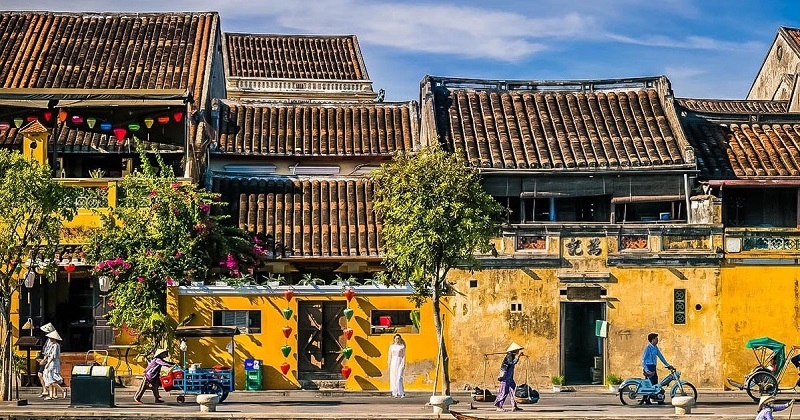
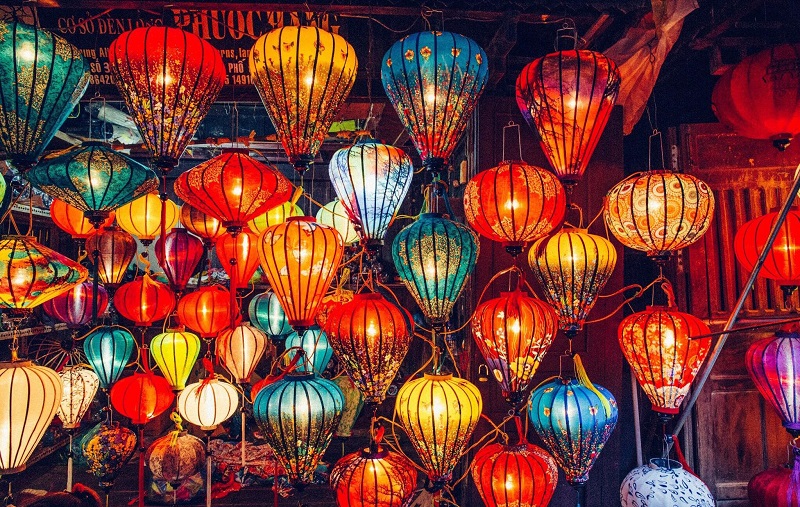
Hoi An appeals to every type of traveler—history lovers, food enthusiasts, beach seekers, photographers, and cultural explorers. The town is known for its wooden shophouses, tailor-made clothing services, colorful lanterns, tranquil riverside scenery, and proximity to beautiful beaches.
In this Hoi An Travel Guide, you will find essential information on weather, the best time to visit, top places to explore, must-try dishes, recommended accommodations, and useful travel tips.
Hoi An Weather: Best Time to Visit (Hoi An Travel Guide Overview)
Hoi An has a tropical climate with two main seasons: the dry season and the wet season.
Dry Season (February to August)
Temperature: 25°C to 35°C (77°F to 95°F)
Pros:
-
Sunny and ideal for swimming, snorkeling, boat tours, and exploring the countryside
-
Several cultural events and festivals take place during this time
-
Excellent for photography and outdoor activities
Cons:
-
High tourist season → long queues and crowded streets
-
Hot temperatures may feel uncomfortable
-
Hotel and service prices rise significantly
-
Accommodation may be difficult to book during peak months
Wet Season (September to January)
Temperature: 18°C to 25°C (64°F to 77°F)
Pros:
-
Fewer tourists, quieter atmosphere
-
More peaceful and authentic Ancient Town experience
-
Lower hotel and flight prices
-
The town looks romantic and calm during light rains
Cons:
-
Heavy rains may cause flooding
-
Water activities such as swimming and snorkeling are limited
-
Some outdoor events and lantern festivals may be canceled
-
Some street food vendors may not operate
Best Time to Visit Hoi An (Recommended by This Hoi An Travel Guide)
February to April – ideal temperature, fewer tourists, and perfect for sightseeing.
Best Places to Visit in Hoi An (Hoi An Travel Guide Highlights)
Hoi An Ancient Town

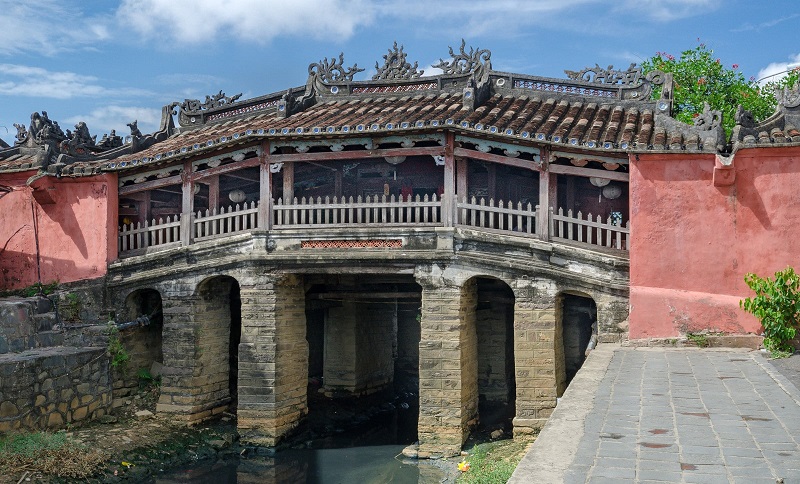
At the heart of the city, the Ancient Town is a maze of narrow alleys, traditional wooden houses, temples, and Chinese assembly halls. Key landmarks include:
-
Japanese Covered Bridge
-
Assembly Hall of the Fujian Chinese Congregation
-
Old House of Tan Ky
This historic area is where Hoi An’s culture shines brightest.
An Bang Beach
A short trip from the Ancient Town, An Bang Beach offers soft white sand, clear waters, and relaxing beach cafés. It’s ideal for swimming, sunbathing, and enjoying fresh seafood.

Tra Que Vegetable Village

A peaceful farming village where you can join gardening activities and learn how Hoi An’s famous herbs and vegetables are grown. This area is central to the city’s culinary identity.
My Son Sanctuary
A must-visit for history lovers. This ancient Cham archaeological site dates back to the 4th century and features impressive temple ruins surrounded by lush forest.

What to Eat in Hoi An (Hoi An Travel Guide Food Section)
Hoi An is home to unique dishes you won’t find anywhere else in Vietnam.
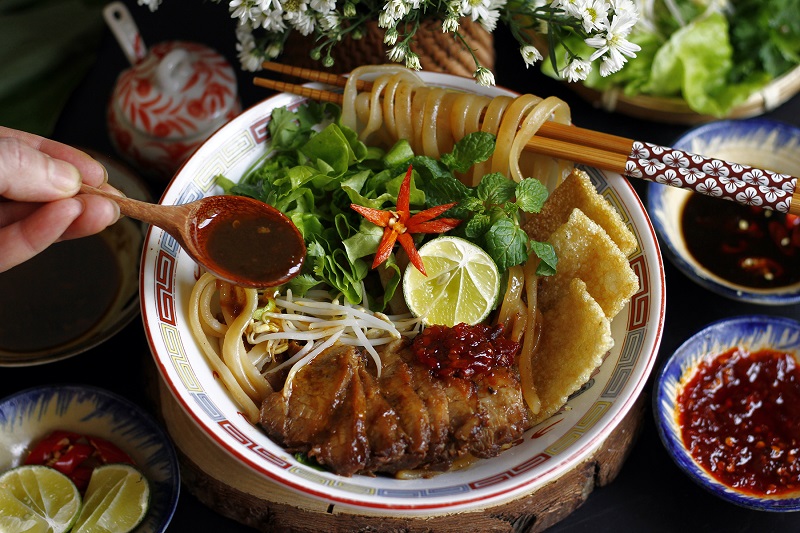
Cao Lau
A signature Hoi An dish with thick noodles, slices of pork, herbs, and crispy croutons. The noodles are traditionally made using water from ancient Cham wells.
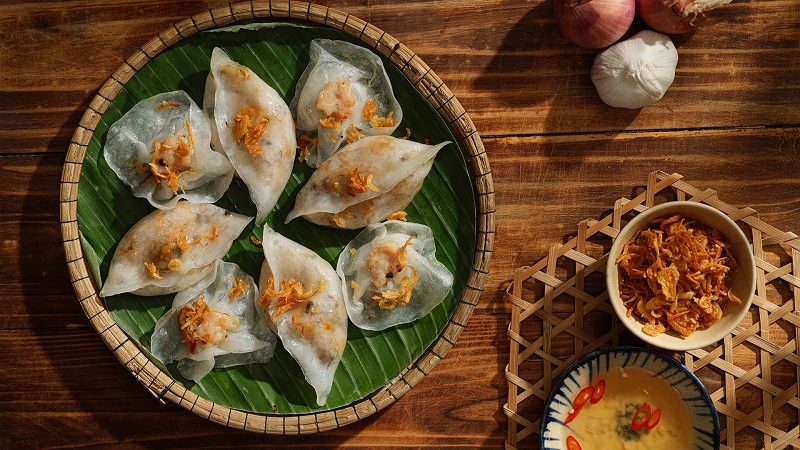
White Rose Dumplings (Banh Bao Vac)
Delicate steamed dumplings filled with shrimp or pork and shaped like white roses. Served with a sweet-and-sour dipping sauce.
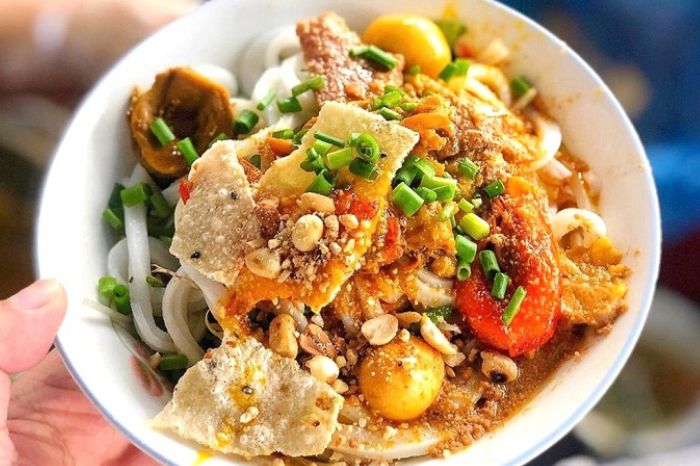
Mi Quang
Turmeric noodles topped with pork, shrimp, peanuts, and a light broth—served with crispy rice crackers.
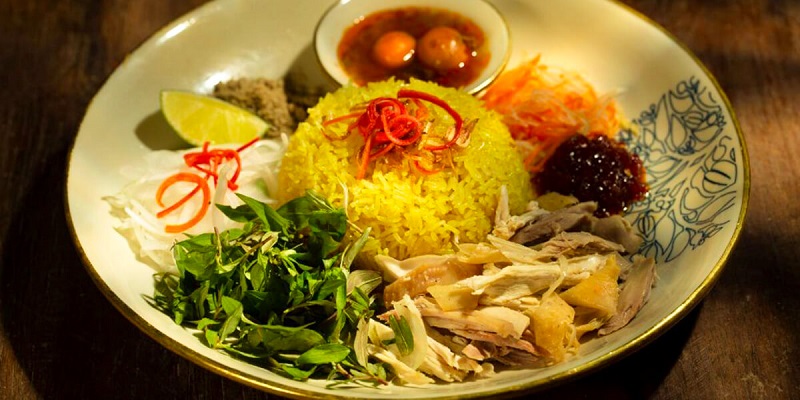
Hoi An Chicken Rice
Fragrant turmeric rice served with tender chicken slices, herbs, pickles, and chili sauce.
Where to Stay in Hoi An (Hotel Recommendations)
3-Star Hotels
Hoi An Silk Village Resort & Spa – Modern amenities, peaceful setting
Vinh Hung Library Hotel – Central location, rooftop pool, great value
4-Star Hotels
La Siesta Hoi An Resort & Spa – Boutique design, beautiful pools, luxury spa
Belle Maison Hadana Resort & Spa – Spacious rooms, excellent dining, great service
5-Star Hotels
Four Seasons Resort The Nam Hai – One of the world’s top resorts, beachfront villas, ultra-luxury
Almanity Hoi An Wellness Resort – Wellness-focused, large pool, premium dining
Hoi An Travel Tips (Useful Information for Visitors)
-
Explore by Bicycle or Walking: Ancient Town restricts motor vehicles, making it perfect for leisurely walks.
-
Tailoring Services: Hoi An is the tailoring capital of Vietnam. Bring your own designs or choose from local catalogs.
-
Currency: Carry Vietnamese Dong for small purchases; cards are accepted at hotels and restaurants.
-
Festivals: Plan your visit during the Full Moon Lantern Festival for an unforgettable experience.
-
Respect Local Customs: Dress modestly at temples and be mindful of cultural etiquette.

FAQ (Hoi An Travel Guide Frequently Asked Questions)
Q: How do I reach Hoi An?
A: Fly to Da Nang International Airport (30 km away), then take a taxi or shuttle.
Q: Is Hoi An safe?
A: Yes, it’s very safe. Just follow normal travel precautions.
Q: Can I use USD?
A: Some places accept USD, but Vietnamese Dong is more convenient.
Q: What souvenirs should I buy?
A: Tailored clothing, lanterns, ceramics, local handicrafts.
Q: Do I need a visa?
A: Check your nationality’s entry requirements before traveling.
Plan Your Trip with This Hoi An Travel Guide
Whether you’re exploring ancient ruins, relaxing at the beach, indulging in local food, or enjoying the lantern-lit evenings, Hoi An promises an unforgettable journey filled with beauty and history. Use this Hoi An Travel Guide to plan the perfect visit and discover why this magical town continues to captivate travelers from around the world.
If you are exploring central Vietnam, you may also enjoy our Da Nang Travel Guide:
https://maverickjourneys.com/hanoi-travel-guide/