









Travel Guide to Vietnam’s Northwest – The Ultimate Independent Traveler’s Handbook
Vietnam’s Northwest region is one of the most captivating and culturally rich areas in Southeast Asia. Known for its dramatic mountains, terraced rice fields, misty highland valleys and diverse ethnic cultures, the region offers an unforgettable sense of adventure for independent travelers. This Travel Guide to Vietnam’s Northwest provides everything you need to plan a meaningful, flexible and authentic journey through some of the most beautiful landscapes Vietnam has to offer.
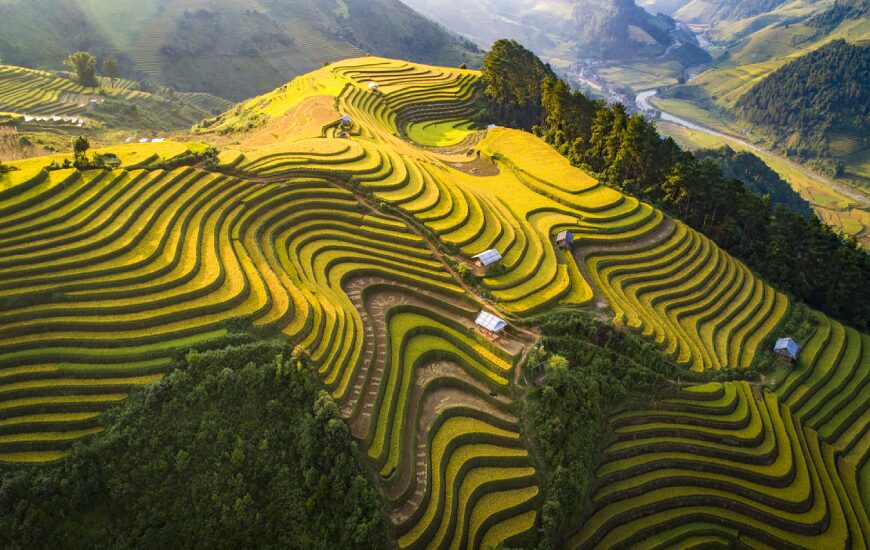
Golden terraced rice fields, winding passes, quiet villages and warm hospitality define the Northwest. Whether you’re traveling solo, with friends or as a couple looking for an off-the-beaten-path experience, this region promises deep cultural encounters, breathtaking scenery and rewarding moments at every turn.
Best Time to Visit – Travel Guide to Vietnam’s Northwest
The Northwest has four distinct seasons, each offering very different scenery and travel conditions. Choosing the right time can greatly enhance your experience.
Spring (March–May)
Spring brings cool temperatures, blooming flowers and clear skies—ideal for trekking, photography and village walks. Terraced rice fields slowly turn green while local communities celebrate festivals after winter. This is a vibrant time to visit ethnic markets and explore rural life.
Summer (June–August)
Summer showcases the region’s lushest scenery. Rice terraces glow a deep emerald green, waterfalls pour with fresh rainwater, and mountain rivers become stronger. Although short afternoon showers are common, they often create dramatic cloud layers and fresh air afterward.
Autumn (September–October)
The signature travel season of the Northwest. Rice terraces turn golden, making this one of the most iconic and photogenic times to visit Vietnam. The weather is cool, dry and perfect for trekking, long drives and mountain photography.
Winter (November–February)
Expect cold winds, foggy mornings and misty mountain peaks. In Hà Giang and Y Tý, temperatures can drop significantly. Winter is ideal for travelers who enjoy peaceful landscapes, crisp air and fewer crowds.
Best overall months to follow this Travel Guide to Vietnam’s Northwest:
March–May and September–October.
Top Destinations – Travel Guide to Vietnam’s Northwest
Below are the essential places that define the Northwest experience. These destinations offer the perfect balance of culture, nature and adventure, showcasing everything that makes this region unforgettable.
From high mountain passes carved into limestone cliffs to peaceful valleys lined with terraced rice fields, each area presents its own charm and travel style. You’ll encounter vibrant ethnic markets, remote villages where traditions remain intact, and landscapes that shift dramatically with the seasons.
Whether you’re seeking photography hotspots, cultural immersion, soft trekking, or epic multi-day journeys, these destinations provide the ideal foundation for building a meaningful and flexible itinerary through Vietnam’s Northwest.
1. Lào Cai Province – Culture, Mountains, and Market Life
Bắc Hà – The Cultural Capital of the Highlands
Bắc Hà hosts one of Vietnam’s most vibrant ethnic markets. Every Sunday, Flower Hmong, Dao, Phù Lá and other minority groups gather to trade livestock, herbs, seeds, honey, textiles and handmade crafts.

Why travelers love it:
-
A colorful, authentic cultural experience
-
Fantastic opportunities for portrait and street photography
-
Genuine atmosphere with fewer tourists than Sapa
FIT Tip: Stay from Saturday to Monday to enjoy both the market and the peaceful village life afterwards.
Y Tý – Land of Clouds and Remote Villages
Y Tý is known for its unforgettable cloud oceans, terraced fields and isolated hamlets situated near the border with China. Tourism remains minimal, making it ideal for photographers and travelers seeking tranquility.
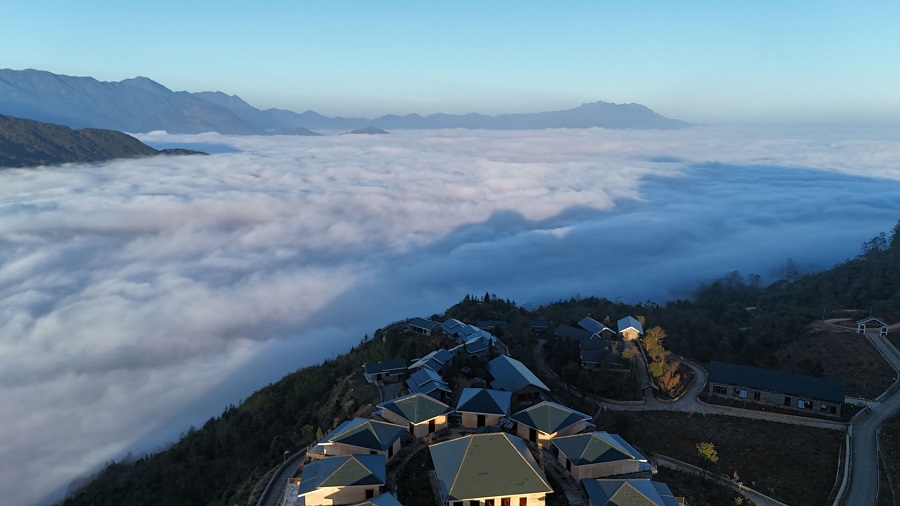
Travel note: A 4WD vehicle and an experienced local driver are highly recommended due to steep, narrow and occasionally foggy mountain passes.
Sapa Valley (Tả Van, Lao Chải)
Instead of staying in crowded Sapa town, independent travelers prefer the serene atmosphere of Tả Van and Lao Chải villages.
Why stay here:
-
Direct access to the best trekking routes
-
Incredible views of terraced fields
-
Warm and welcoming homestays run by local families
-
Calmer, more authentic ambiance than Sapa town
2. Hà Giang – The Legendary Mountain Loop
No Travel Guide to Vietnam’s Northwest would be complete without Hà Giang—arguably the most spectacular province in Vietnam. Its iconic loop offers world-class mountain scenery, dramatic limestone ridges and deep, beautiful valleys.
Should You Ride a Motorbike or Hire a Private Car?
Many travelers choose a motorbike, but the roads can be challenging even for experienced riders.
Recommended:
A private car with a local driver is safer, more comfortable and allows more time for photography and cultural stops.
Highlights of the Hà Giang Loop
Ma Pi Leng Pass
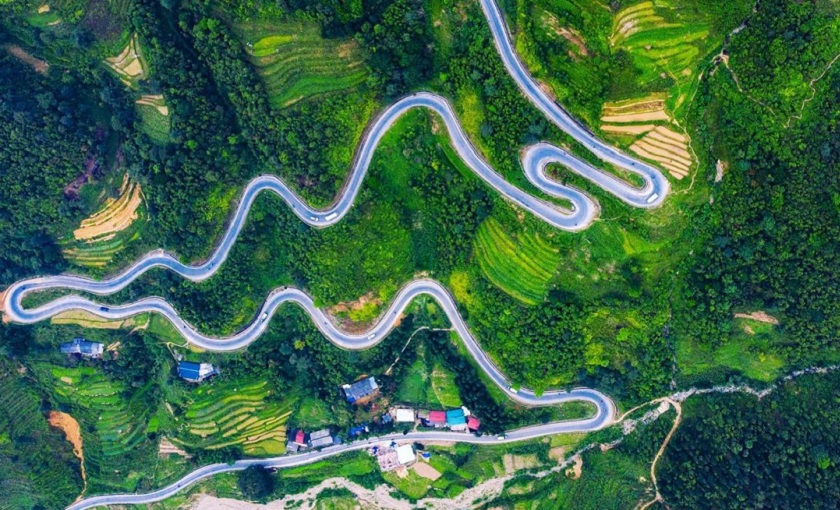
One of the most stunning mountain passes in Asia, offering breathtaking views over the emerald Nho Quế River and colossal limestone cliffs.
H’Mong King’s Palace (Dinh Thự Vua Mèo)
A unique historical site blending H’Mong, Chinese and French architectural influence.
Mèo Vạc Town
A quiet highland town perfect for relaxing afternoons after long mountain journeys.
Local Craft & Weaving Villages
Meet artisans preserving centuries-old textile traditions.
3. Yên Bái & Hòa Bình – Gentle Adventure & Peaceful Landscapes
Pù Luông Nature Reserve
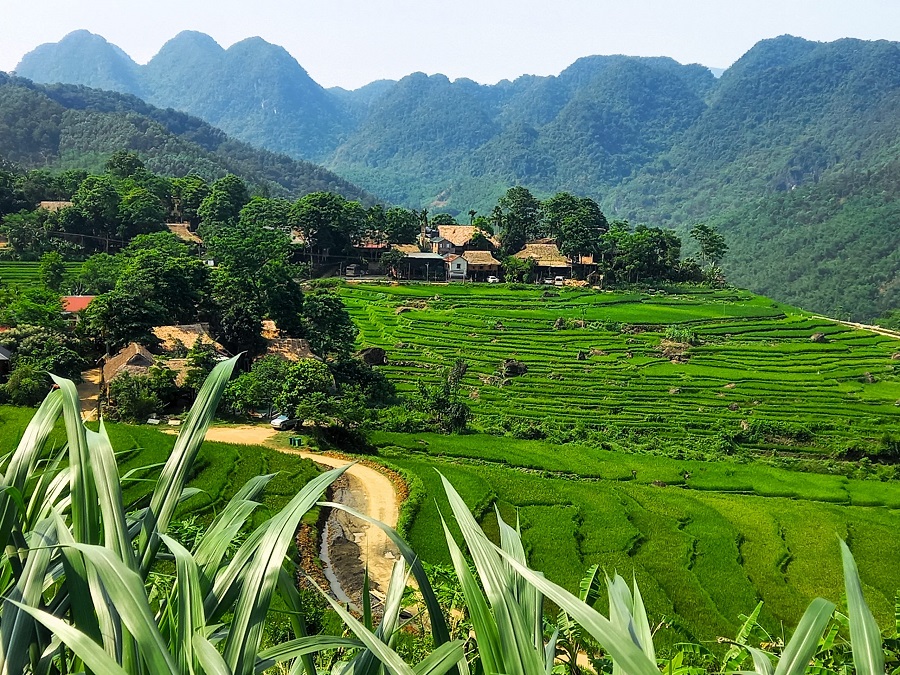
Pù Luông offers peaceful terraced fields, bamboo forests and wooden stilt houses. It’s ideal for travelers who prefer relaxing nature experiences rather than hardcore trekking.
Things to do:
-
Soft trekking
-
Kayaking
-
Cycling
-
Village walks
-
Eco-lodge stays
Mù Cang Chải – The Heart of Vietnam’s Terrace Culture
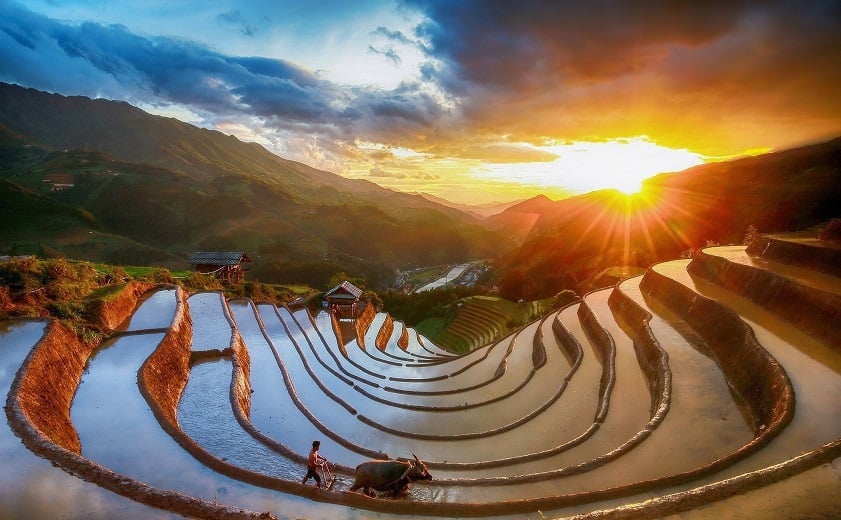
One of the most iconic destinations in the country, Mù Cang Chải is famous for its breathtaking rice terraces.
Best seasons:
-
May–June: Water season
-
September–October: Golden harvest season
Top spots for photography: La Pán Tẩn, Chế Cu Nha, Dế Xu Phình
Suggested Itineraries – Travel Guide to Vietnam’s Northwest
Below are flexible itineraries suitable for most travelers.
3-Day Short Escape
Day 1: Hanoi → Pù Luông
Day 2: Trekking & village walks
Day 3: Return to Hanoi
5-Day Balanced Nature & Culture Trip
Day 1–2: Hanoi → Bắc Hà
Day 3–4: Trekking in Sapa Valley
Day 5: Return via Lào Cai
7-Day Northwest Highlights
Day 1–2: Sapa Valley (Tả Van, Lao Chải)
Day 3: Bắc Hà Market
Day 4–6: Hà Giang Loop (private car recommended)
Day 7: Return to Hanoi
People & Culture of the Northwest
The Northwest is home to more than 30 ethnic minority groups, each with its own traditions, clothing, handicrafts and architecture.
Major groups: H’Mong, Dao, Tày, Thái, Giáy, La Chí.
Travelers often describe cultural encounters—sharing meals at homestays, attending weekly markets, or walking through farming villages—as the most memorable moments of their trip.
Cultural Etiquette:
-
Ask before taking photos
-
Dress modestly in villages
-
Support local crafts by buying directly from artisans
-
Learn a few simple words (e.g., “hello,” “thank you”) to create connection
Where to Stay – Homestays, Eco-Lodges & Retreats
Independent travelers can enjoy a variety of accommodation options:
Homestays
Best for cultural immersion, local food and village life.
Eco-Lodges
Great for scenic views and sustainability-focused stays.
Boutique Retreats
Ideal for couples and travelers seeking comfort in nature.
Essential Travel Tips for Independent Travelers
Transportation
-
Sleeper Train (Hanoi → Lào Cai): Efficient & comfortable
-
Private Car / 4WD: Essential for Hà Giang and Y Tý
-
Motorbike: Only for experienced riders
Weather & Clothing
-
Bring layers
-
Waterproof jacket
-
Reliable walking shoes
Cultural Etiquette
-
Ask before taking photos
-
Respect local customs
-
Learn simple local greetings
Recommended Duration
-
Hà Giang: 3–4 days
-
Mù Cang Chải: 2–3 days
-
Pù Luông: 2–3 days
-
Bắc Hà: 2 days
Learn more about Vietnam at the official tourism site: https://www.vietnam.travel
For more inspiration, check out our Vietnam travel tips here. https://maverickjourneys.com/ha-giang-loop-travel-guide/
Why Independent Travelers Love Vietnam’s Northwest
Vietnam’s Northwest attracts independent travelers with its authenticity, natural beauty and cultural depth. Unlike crowded destinations, the region offers genuine, non-touristy experiences where you can wander through quiet villages, trek along terraced valleys, and meet local families in their daily routines. Everything feels warm, real and welcoming.
Home to more than 30 ethnic minority groups, the region provides meaningful cultural encounters — colorful markets, traditional meals, handmade textiles, and stories passed down through generations. Landscapes vary dramatically: golden rice fields, cloud-filled mountain passes, emerald valleys and rugged limestone peaks.
The area is also perfect for flexible, self-designed routes. Travelers can mix trekking, scenic drives, homestays, photography and cultural visits at their own pace. These layers of nature, culture and freedom make the Northwest one of the most memorable chapters of any Vietnam journey.
Plan Your Journey
Planning a trip through the Northwest allows you to shape a journey that feels personal and rewarding. You can choose quiet villages for slow travel, add adventure through remote mountain loops, or spend days exploring rice terraces and ethnic markets.
Imagine trekking along golden fields, cruising through winding mountain roads, or sipping warm tea in a wooden stilt house while listening to stories of the land. Every day brings a new perspective — from misty sunrises to star-filled nights over the highlands.
Take your time, pause often, and connect with the people and places you meet along the way.
Let this Travel Guide to Vietnam’s Northwest be your starting point to plan a meaningful trip filled with discovery, nature and unforgettable cultural moments.