










Northern Vietnam is one of the most rewarding regions to explore in Southeast Asia. With dramatic mountains, ancient cities, limestone landscapes, and diverse ethnic cultures, the north offers experiences that feel both timeless and unforgettable. This Northern Vietnam travel guide is designed to help you plan a smart, balanced, and meaningful journey in 2026.
If this is your first time traveling to the region, you may want to explore a complete 2-week Northern Vietnam itinerary to understand how these destinations fit together in a realistic travel plan.
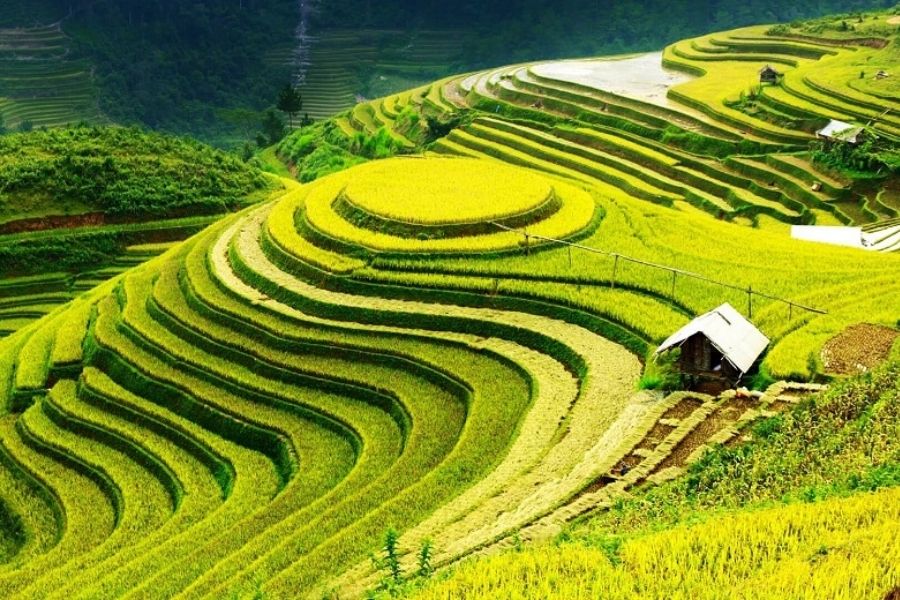
Why Northern Vietnam Should Be on Your 2026 Travel List
Northern Vietnam stands apart from the rest of the country thanks to its strong cultural identity and diverse geography. A well-planned Northern Vietnam travel guide is essential because distances are longer, terrain is more varied, and experiences differ significantly from one region to another.
What makes Northern Vietnam special:
-
Deep historical roots and traditional lifestyles
-
Iconic landscapes: rice terraces, limestone karsts, and mountain passes
-
Rich ethnic minority cultures
-
Cooler climate in highland areas
-
Ideal for slow travel, photography, and adventure
Understanding Northern Vietnam: Regions & Travel Flow
Any reliable Northern Vietnam travel guide starts with understanding how the region is structured. Northern Vietnam can be divided into three main areas:
-
Red River Delta (Hanoi and surroundings)
-
Limestone & coastal regions (Ninh Binh, Ha Long Bay)
-
Northern highlands (Sapa, Ha Giang)
Most journeys begin in Hanoi before branching out. For first-time visitors, following a detailed Northern Vietnam itinerary for first-time visitors helps avoid rushed schedules.
Hanoi – Cultural Heart of Northern Vietnam
Hanoi is the natural starting point for almost every Northern Vietnam travel guide. As Vietnam’s capital, it blends centuries-old traditions with modern urban life.
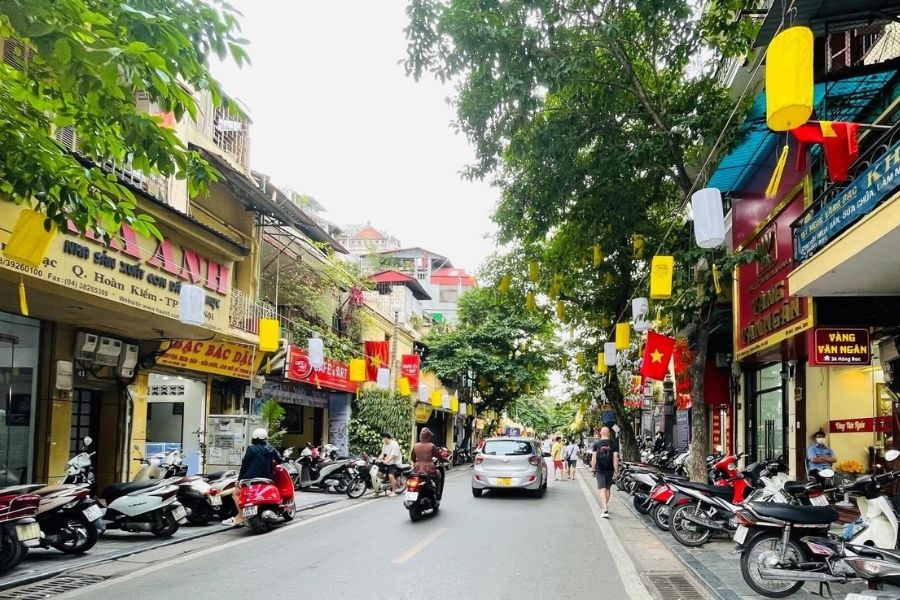
Top Things to Do in Hanoi
-
Wander through the Old Quarter’s historic streets
-
Visit Ho Chi Minh Mausoleum and Ba Dinh Square
-
Explore the Temple of Literature
-
Experience street food culture: pho, bun cha, egg coffee
-
Enjoy a traditional water puppet show
If you plan to stay longer, this Hanoi travel guide covers the best neighborhoods, food experiences, and cultural highlights in more detail.
Ninh Binh – Limestone Scenery & Tranquil Countryside
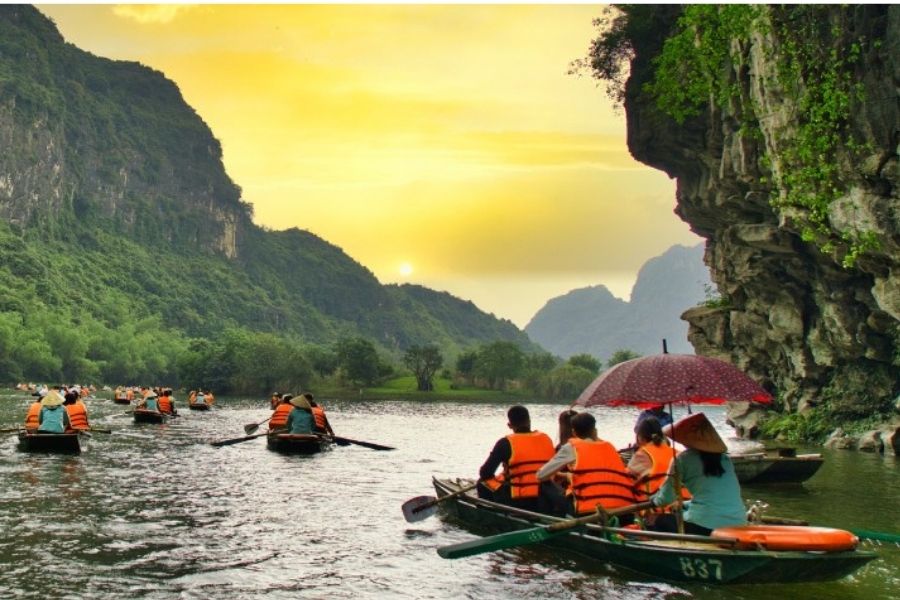
Located just two hours from Hanoi, Ninh Binh is a must-visit destination in this Northern Vietnam travel guide. Known as “Ha Long Bay on land,” it offers peaceful landscapes and slower travel.
Highlights of Ninh Binh
-
Boat rides through caves in Trang An or Tam Coc
-
Cycling through rice fields and rural villages
-
Visiting Hoa Lu Ancient Capital
-
Climbing Mua Cave for panoramic views
Travelers with limited time often choose a Ninh Binh day trip from Hanoi, while others prefer staying overnight to explore deeper.
Ha Long Bay – Iconic Seascapes of Northern Vietnam
Ha Long Bay remains one of Vietnam’s most famous attractions and an essential stop in any Northern Vietnam travel guide.
Why Ha Long Bay Is Worth Visiting
This UNESCO World Heritage Site features thousands of limestone islands rising from emerald waters. The best way to experience it is by booking one of the best Ha Long Bay cruises, which allow you to explore beyond the main tourist routes.
Best Experiences in Ha Long Bay
-
2-day or 3-day cruises
-
Kayaking between limestone formations
-
Exploring caves and hidden lagoons
-
Sunrise and sunset views on deck

Sapa – Rice Terraces & Ethnic Cultures
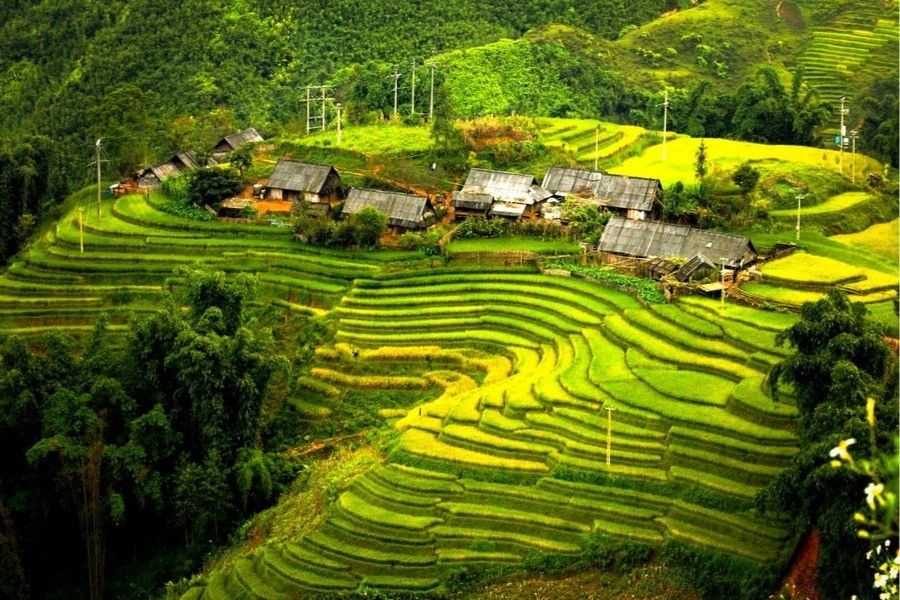
Sapa is one of the most accessible mountain destinations featured in this Northern Vietnam travel guide. Located near the Chinese border, Sapa is known for its cool climate and scenic beauty.
What Makes Sapa Special
-
Terraced rice fields in Muong Hoa Valley
-
Ethnic minority villages (Hmong, Dao, Tay)
-
Fansipan Peak via cable car or trekking
-
Eco-lodges with mountain views
For travelers interested in cultural immersion, a Sapa trekking experience offers the best way to explore local villages and landscapes.
Ha Giang – Remote Beauty & Ultimate Adventure
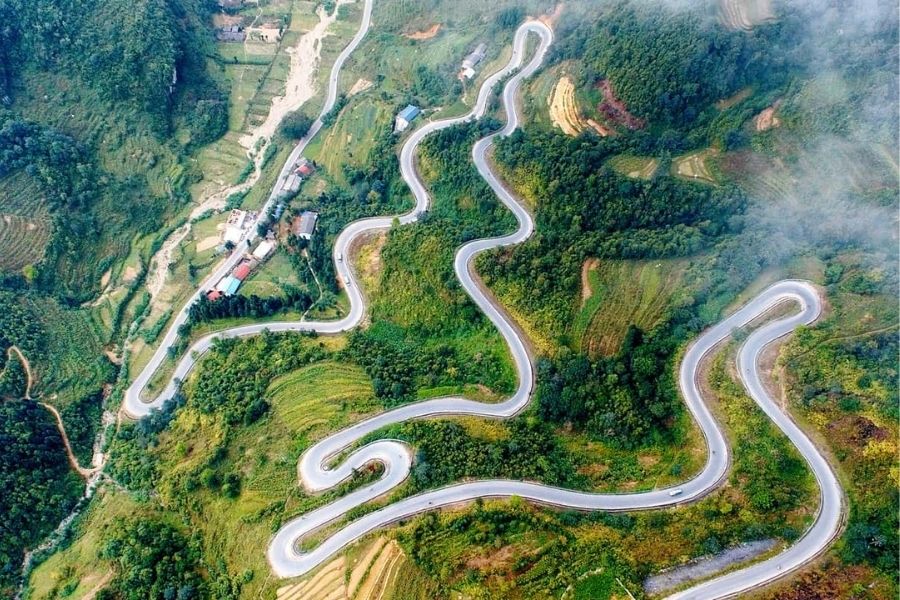
Among all destinations in this Northern Vietnam travel guide, Ha Giang offers the most dramatic scenery and authentic experiences.
Travelers usually explore the region following a Ha Giang Loop itinerary, which takes you through mountain passes, remote villages, and breathtaking viewpoints such as Ma Pi Leng Pass.
Ha Giang is best suited for adventurous travelers who want to go beyond mainstream destinations.
Suggested Northern Vietnam Itineraries
Choosing the right route is key when following a Northern Vietnam travel guide.
7–9 Days
-
Hanoi
-
Ninh Binh
-
Ha Long Bay
10–12 Days
-
Hanoi
-
Ninh Binh
-
Ha Long Bay
-
Sapa or Ha Giang
14 Days
-
Hanoi
-
Ninh Binh
-
Ha Long Bay
-
Sapa
-
Ha Giang
For flexibility and comfort, many travelers prefer custom Northern Vietnam itineraries tailored to their pace and interests.
Best Time to Visit Northern Vietnam
Seasonality plays an important role in this Northern Vietnam travel guide.
-
March–May: Mild weather and lush landscapes
-
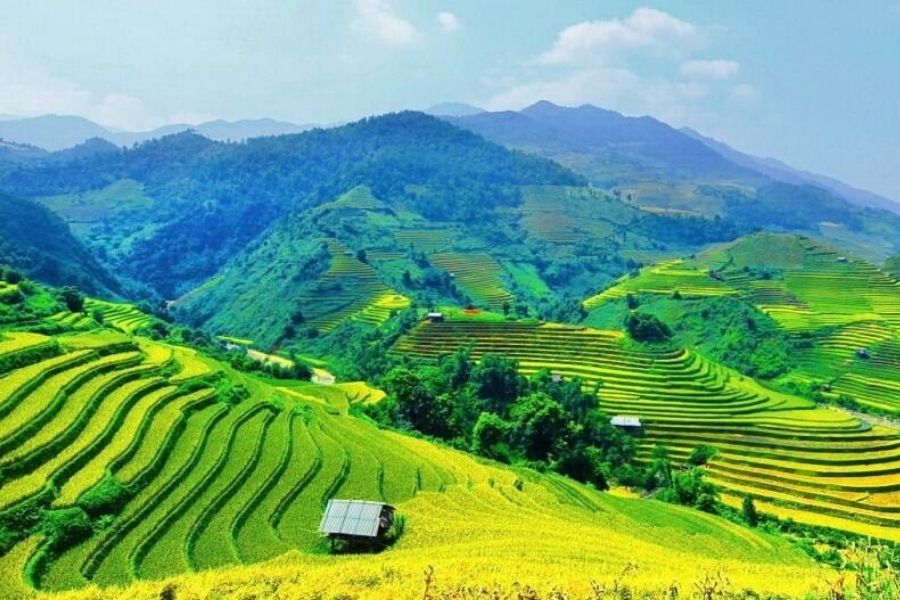
September–November: Golden rice terraces and clear skies
-
December–February: Cool temperatures and misty mountains
-
June–August: Hot and rainy, but fewer tourists
Transportation Tips for Northern Vietnam
Getting around efficiently makes a big difference.
This Northern Vietnam travel guide recommends:
-
Trains or private cars between Hanoi and Ninh Binh
-
Shuttle buses or private transfers to Ha Long Bay
-
Overnight trains or sleeper buses to Sapa
-
A private driver in Northern Vietnam for mountain regions like Ha Giang
Final Thoughts
Northern Vietnam offers some of the most diverse and authentic travel experiences in the country. From the cultural streets of Hanoi to the dramatic landscapes of Ha Giang, the region rewards travelers who plan thoughtfully.
This Northern Vietnam travel guide is designed to help you travel deeper, smarter, and more comfortably. If you are looking for inclusive and meaningful experiences, you may also enjoy exploring LGBT-friendly tours in Vietnam for a more personalized journey.