










Vietnam is famous for its food, landscapes, and welcoming culture, but there is another part of everyday life that every traveler should experience: Vietnamese coffee.
Coffee shops are everywhere in Vietnam. You will find tiny sidewalk cafés beside busy streets, elegant cafés inside historic buildings, modern specialty coffee shops, and quiet garden cafés where locals spend hours talking over a cup of coffee.
But Vietnamese coffee is about much more than simply drinking caffeine.
It is a social ritual, a daily habit, and an important part of local culture.
From the rich and condensed cà phê sữa đá to Hanoi’s famous egg coffee, Hue’s increasingly popular salt coffee, and refreshing coconut coffee, there are plenty of flavors to discover.
This Vietnam Coffee Guide introduces the country’s most popular coffee drinks, explains what makes Vietnamese coffee different, and shares practical tips for travelers who want to experience coffee like a local.
Vietnam Coffee Guide: What Makes Vietnamese Coffee Different?
Vietnam has a long coffee-growing history, particularly in the Central Highlands, where the country’s climate and highland conditions are well suited to coffee production.
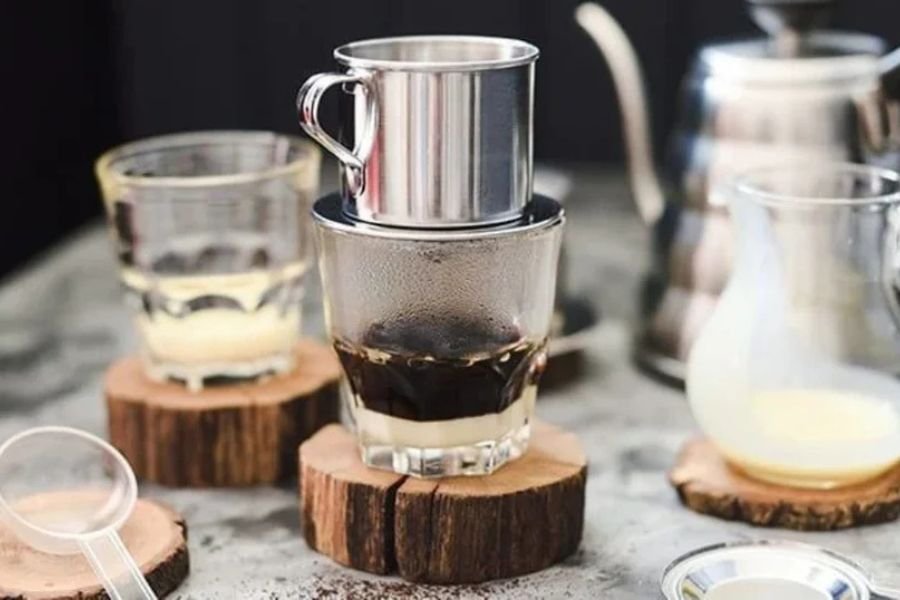
One of the most recognizable features of Vietnamese coffee culture is the traditional phin filter.
Instead of using a large espresso machine, the phin slowly filters hot water through ground coffee directly into your cup.
The result is usually a strong, concentrated brew with a rich aroma.
Traditionally, Vietnamese coffee is often paired with sweetened condensed milk, creating the famous combination known as cà phê sữa.
This balance of strong coffee and creamy sweetness is one of the first things many international visitors notice when they try coffee in Vietnam.
For travelers who want to understand the country’s food culture more deeply, coffee is an easy—and delicious—place to start.
You can also combine your coffee experience with our [What to Eat in Vietnam: A Complete Food Guide for First-Time Visitors]. What to Eat in Vietnam: A Complete Food Guide for First-Time Visitors
Vietnamese Coffee Culture: More Than Just a Drink
One of the best things about coffee in Vietnam is the way people enjoy it.
A coffee break can last 10 minutes, an hour, or an entire afternoon.
Locals often sit on small plastic stools beside the sidewalk, chat with friends, work on their laptops, read, or simply watch the world go by.
In larger cities, cafés have also become important social and creative spaces.
In Hanoi, you can find traditional cafés hidden inside narrow streets and historic buildings. Ho Chi Minh City has everything from old-school neighborhood cafés to stylish specialty coffee shops.
Meanwhile, cities such as Da Nang and Hoi An offer relaxed cafés where travelers can combine coffee with views of the river, beach, or ancient streets.
For visitors, slowing down for a Vietnamese coffee is one of the simplest ways to experience everyday local life.
7 Vietnamese Coffee Drinks You Should Try
There is no single “Vietnamese coffee.”
Different regions and cafés have developed their own styles, ingredients, and serving methods.
Here are some of the most interesting drinks to look for during your trip.
1. Cà Phê Sữa Đá – Vietnamese Iced Coffee
If you try only one traditional coffee in Vietnam, make it cà phê sữa đá.
It is made by slowly filtering strong Vietnamese coffee over sweetened condensed milk before being poured over ice.
The result is bold, sweet, creamy, and incredibly refreshing in Vietnam’s hot climate.
You will find it almost everywhere—from small roadside cafés to restaurants and modern coffee shops.
Best for: First-time visitors and travelers who enjoy sweet iced coffee.
2. Cà Phê Đen Đá – Vietnamese Black Iced Coffee
Prefer your coffee without milk?
Try cà phê đen đá.
This drink combines strong black coffee with ice. It has a more intense and bitter flavor than cà phê sữa đá, making it a good choice for travelers who normally drink black coffee.
The flavor can vary considerably depending on the beans, roast, and brewing method used by each café.
Best for: Black coffee drinkers who prefer a stronger taste.
3. Egg Coffee – Cà Phê Trứng
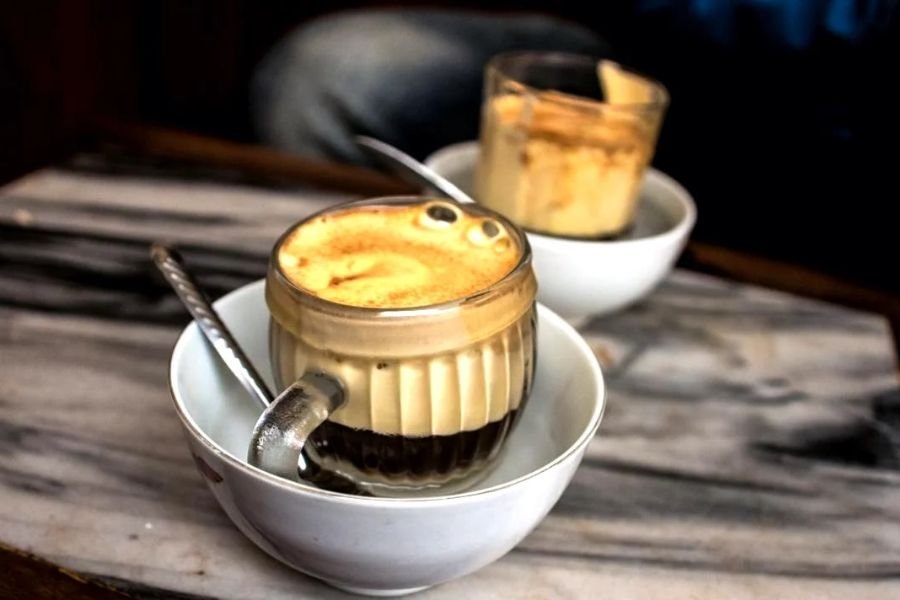
Perhaps the most famous specialty coffee in Hanoi is egg coffee, or cà phê trứng.
It combines strong Vietnamese coffee with a creamy mixture traditionally made from egg yolk and sweetened ingredients.
The texture is rich and almost dessert-like.
Despite sounding unusual to first-time visitors, egg coffee has become one of Hanoi’s signature culinary experiences.
It is particularly enjoyable on a cooler morning or afternoon when you have time to sit down and appreciate it slowly.
Best place to try it: Hanoi.
Best for: Travelers looking for a distinctive Vietnamese food experience.
4. Salt Coffee – Cà Phê Muối
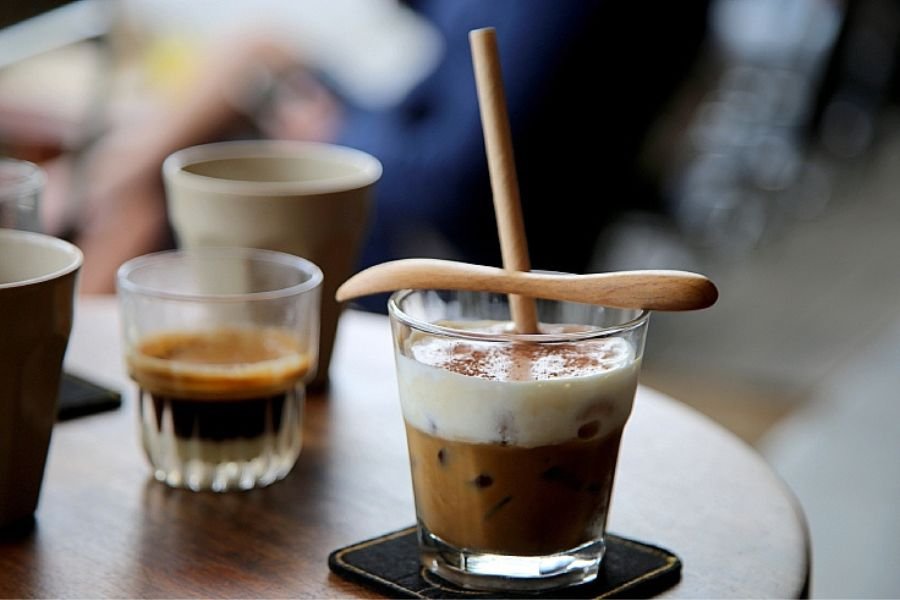
One of Vietnam’s most interesting coffee creations comes from Hue: salt coffee, or cà phê muối.
Instead of relying only on sugar or condensed milk, the drink uses a small amount of salt to balance the bitterness of coffee and enhance its creamy flavor.
The result is surprisingly smooth.
Salt coffee has become strongly associated with Hue and is now increasingly available in cafés around the country.
If your itinerary includes Central Vietnam, adding a coffee stop in Hue is an easy way to experience something different from the usual Hanoi or Ho Chi Minh City coffee scene.
Best place to try it: Hue.
Best for: Curious travelers who want to try something beyond traditional iced coffee.
5. Coconut Coffee – Cà Phê Dừa
Coconut coffee combines coffee with coconut milk or coconut cream, often served cold with ice or blended into a smooth, creamy drink.
It is particularly popular with travelers because the combination is refreshing and naturally tropical.
Some cafés serve it almost like a coffee smoothie, while others keep the coffee flavor more prominent.
Best for: Travelers who enjoy creamy, sweet, and tropical flavors.
6. Coconut Milk Coffee
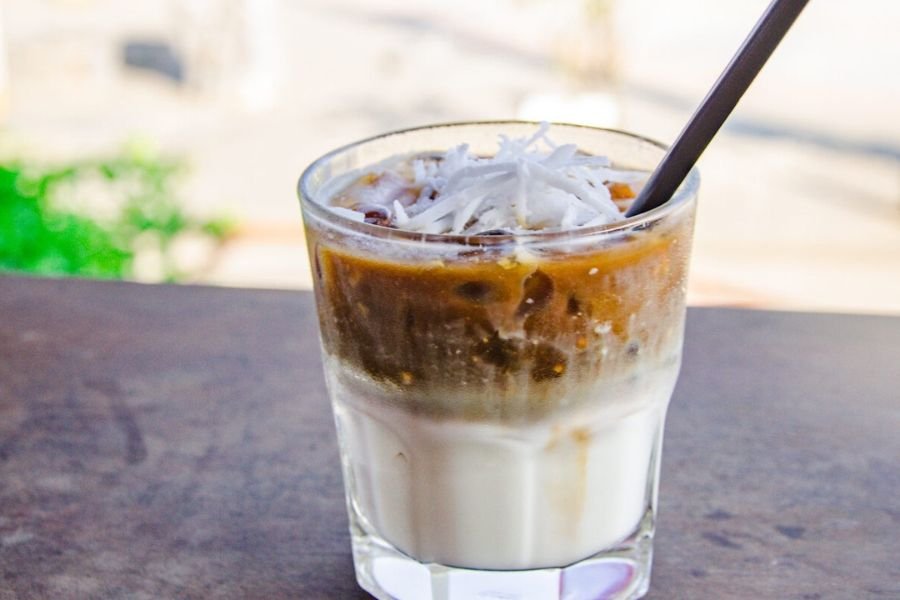
Although coconut coffee and coconut milk coffee are sometimes used interchangeably, cafés may prepare them differently.
Some versions use coconut milk, while others rely on coconut cream or blended coconut.
The result can range from light and refreshing to rich and dessert-like.
It’s worth asking the café how their version is prepared if you want to know what you’re ordering.
7. Specialty Vietnamese Coffee
Vietnam’s coffee scene is changing rapidly.
Alongside traditional cafés, a growing number of local coffee shops are focusing on specialty beans, modern brewing methods, and traceable coffee origins.
This is particularly interesting in cities such as Hanoi and Ho Chi Minh City, where younger Vietnamese coffee professionals are experimenting with:
- Pour-over coffee
- Cold brew
- Espresso
- Single-origin beans
- Modern roasting techniques
This newer coffee culture exists alongside traditional sidewalk cafés, creating an interesting contrast between old and new Vietnam.
Where to Experience Vietnamese Coffee
Your coffee experience can change dramatically depending on where you travel.
Hanoi – Best for Traditional Coffee Culture
Hanoi is arguably the best city for discovering Vietnam’s traditional coffee culture.
The city is particularly famous for egg coffee, but you can also find countless small cafés serving phin coffee, iced coffee, and modern specialty drinks.
The Old Quarter is a good starting point, but don’t limit yourself to the busiest tourist streets.
Some of the most memorable cafés are tucked away in small alleys, old buildings, and quiet residential areas.
Ho Chi Minh City – Best for Modern Café Culture
Ho Chi Minh City has a dynamic and diverse café scene.
You can move from a tiny traditional coffee stall to a sophisticated specialty café within a few blocks.
The city is particularly suitable for travelers who want to compare traditional Vietnamese coffee with modern interpretations.
If you’re deciding between Vietnam’s two largest cities, our guide [Hanoi and Ho Chi Minh City: Which One Should You Choose?] can help you plan your itinerary. Hanoi and Ho Chi Minh City: Which One Should You Choose?
Hue – Best for Salt Coffee
Hue is the destination to remember if you want to try salt coffee.
The city’s quieter atmosphere also makes it a wonderful place to enjoy a slow coffee break after visiting the Imperial City, royal tombs, and other historic sites.
Da Nang – Best for Coffee and Coastal Views
Da Nang combines a relaxed beach lifestyle with a growing café scene.
You can find traditional Vietnamese coffee, modern cafés, rooftop spaces, and coffee shops near the beach.
For travelers exploring Central Vietnam, Da Nang is an easy place to combine coffee culture with beaches and day trips.
Hoi An – Best for Slow Coffee Experiences
Hoi An is perfect for travelers who like to slow down.
Many cafés are located in historic buildings overlooking narrow streets, the Thu Bon River, or quiet gardens.
Grab a coffee, find a seat, and watch bicycles, local residents, and visitors pass by.
It’s a simple experience, but often one of the most memorable parts of a trip.
How to Order Coffee in Vietnam
Ordering coffee is generally straightforward.
Here are a few useful terms:
| Vietnamese | Meaning |
|---|---|
| Cà phê | Coffee |
| Cà phê sữa | Coffee with condensed milk |
| Cà phê sữa đá | Iced coffee with condensed milk |
| Cà phê đen | Black coffee |
| Cà phê đen đá | Iced black coffee |
| Cà phê trứng | Egg coffee |
| Cà phê muối | Salt coffee |
| Cà phê dừa | Coconut coffee |
| Nóng | Hot |
| Đá | Ice |
If you don’t like your coffee too sweet, you can ask for less condensed milk or sugar.
A simple phrase such as “ít ngọt” means “less sweet.”
How Much Does Vietnamese Coffee Cost?
One of the best things about coffee culture in Vietnam is that you don’t need a large budget to enjoy it.
Prices vary depending on the city, café, location, and type of drink.
A simple traditional coffee at a local café can be inexpensive, while specialty drinks at stylish cafés or premium establishments can cost considerably more.
Rather than focusing only on price, consider the experience.
A small sidewalk café can offer a fascinating glimpse into everyday Vietnamese life, while a beautifully designed specialty café may provide a completely different atmosphere.
Both are worth trying.
Tips for Your Vietnamese Coffee Experience
A few simple tips can make your coffee adventures easier:
Start with Cà Phê Sữa Đá
If you’re unsure what to order, this is the safest introduction to traditional Vietnamese coffee.
Try Local Specialties
Order egg coffee in Hanoi and salt coffee in Hue to experience regional differences.
Don’t Rush
Vietnamese coffee culture is about slowing down. Take your time and enjoy the atmosphere.
Explore Beyond Tourist Cafés
Some of the most authentic experiences can be found in small neighborhood cafés.
Be Prepared for Strong Coffee
Vietnamese coffee can be considerably stronger than what some international travelers are used to.
If you’re sensitive to caffeine, consider sharing a drink or choosing a smaller serving.
Vietnamese Coffee Etiquette
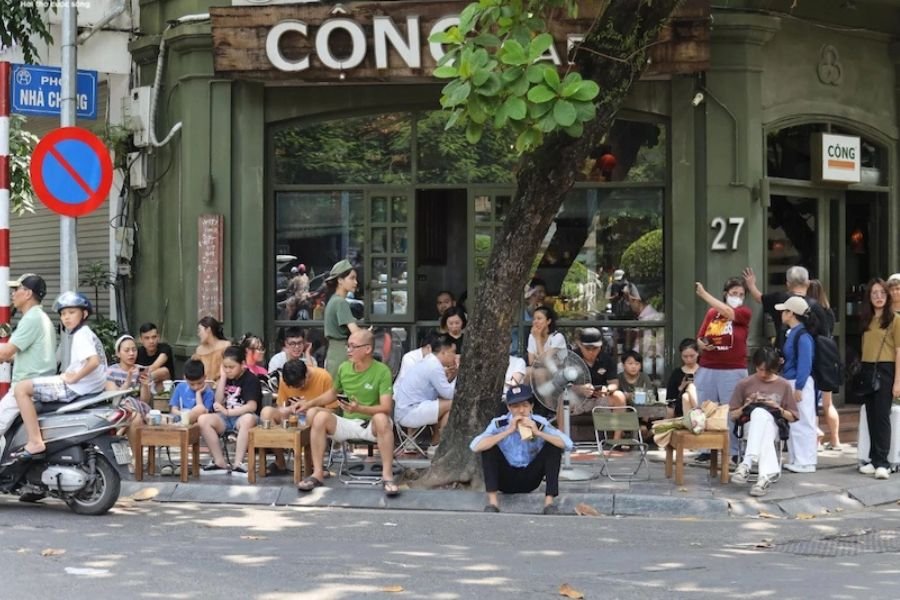
There are no complicated rules for drinking coffee in Vietnam.
However, one cultural habit is worth understanding: coffee is often a social experience.
Friends may meet for coffee without any particular agenda. Business discussions can happen over coffee. Families may stop at a café together. Young people often use cafés as places to study or work.
So don’t be surprised if locals spend a surprisingly long time with one drink.
The café itself is often part of the experience.
Frequently Asked Questions
What is the most famous Vietnamese coffee?
Cà phê sữa đá is probably the most widely recognized Vietnamese coffee, while egg coffee is one of the country’s most famous specialty drinks among international visitors.
Is Vietnamese coffee very strong?
Traditional Vietnamese coffee is usually bold and concentrated. The combination of strong coffee and condensed milk creates a distinctive flavor that can be quite intense for first-time visitors.
Where should I try egg coffee?
Hanoi is the classic destination for egg coffee and is the best place to experience this specialty in its cultural context.
Where did salt coffee originate?
Salt coffee is strongly associated with Hue in Central Vietnam and has become one of the city’s best-known modern coffee specialties.
Is Vietnamese coffee sweet?
Many popular Vietnamese coffee drinks are sweet, particularly those made with condensed milk. However, black coffee and specialty coffee options are also widely available.
Final Thoughts: Why Coffee Belongs on Your Vietnam Itinerary
A good Vietnam Coffee Guide is about more than knowing which drink to order—it is about understanding the culture and everyday rituals behind each cup.
Coffee offers travelers a window into everyday Vietnamese life.
You can experience it while sitting on a tiny sidewalk stool in Hanoi, overlooking the streets of Ho Chi Minh City, relaxing beside the Perfume River in Hue, or watching the world go by in Hoi An.
Try the classics, experiment with regional specialties, and don’t be afraid to step inside a café that catches your attention.
From egg coffee and salt coffee to coconut coffee and traditional cà phê sữa đá, every cup tells a slightly different story about Vietnam.
And sometimes, the best travel memories begin with something as simple as finding a small café, ordering a coffee, and staying for a while.
Plan Your Vietnam Food & Travel Experience
If Vietnamese coffee has made you curious about the country’s wider food culture, continue exploring Maverick Journeys:
- What to Eat in Vietnam: A Complete Food Guide for First-Time Visitors
- Hanoi and Ho Chi Minh City: Which One Should You Choose?
- Slow Travel in Vietnam: A Meaningful Way to Explore
Planning your Vietnam trip? Let Maverick Journeys help you build an itinerary that combines local food, authentic experiences, and the destinations that match your travel style.