




Vietnam is more than beaches, mountains and famous food. Throughout the year, Vietnam festivals offer travelers a chance to experience the country’s history, traditions, spirituality and local culture in a much more personal way.
Some celebrations are national, such as Tet, the Vietnamese Lunar New Year. Others are deeply connected to a particular place or community, from the imperial traditions of Hue to the lantern-filled evenings of Hoi An.
The dates of many Vietnamese festivals follow the lunar calendar, so they change from year to year. If you are planning your trip around a specific celebration, always check the latest local schedule before booking.
This Vietnam festivals calendar highlights some of the most interesting celebrations to consider when planning a trip.
Why Experience a Festival in Vietnam?
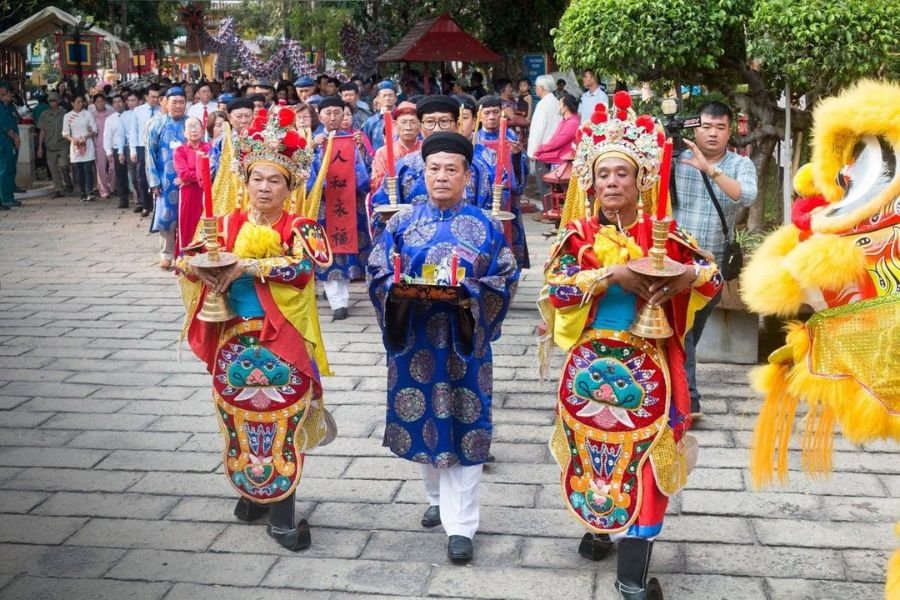
A festival can completely change the way you experience a destination. Instead of simply visiting a temple, market or historic site, you may see the same place filled with traditional music, processions, lanterns, food stalls and local families. If you’re looking for more meaningful ways to experience the country, check out our guide to 15 Authentic Experiences You Can Only Have in Vietnam.
Instead of simply visiting a temple, market or historic site, you may see the same place filled with traditional music, processions, lanterns, food stalls, performances and local families.
For international travelers, festivals can offer:
- A closer look at Vietnamese traditions
- Opportunities to try seasonal food
- Traditional music and performances
- Religious and spiritual experiences
- Local markets and handicrafts
- Photography opportunities
- A chance to experience destinations beyond their famous attractions
However, festivals can also mean larger crowds, temporary road closures and higher demand for accommodation.
Our advice: choose a festival that fits naturally into your itinerary rather than planning your entire trip around a celebration unless you specifically want the festival experience.
Vietnam Festivals by Month
January – February: Tet and the Vietnamese New Year
One of the most important celebrations in Vietnam is Tet, or Vietnamese Lunar New Year.
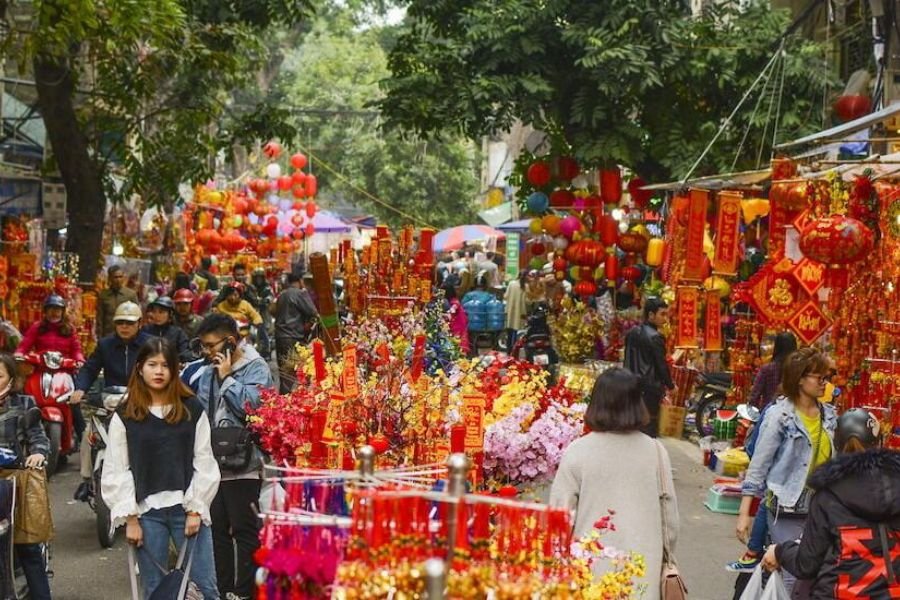
Unlike a single-day celebration, Tet creates a festive period that can affect travel across the country. Streets are decorated with flowers, families return to their hometowns, markets become especially lively and homes are prepared for the new year.
Tet is a fascinating time to experience Vietnamese culture, particularly if you have local friends or are staying with a Vietnamese family.
What can travelers experience?
Depending on the destination and timing, you may see:
- Flower markets
- Traditional decorations
- Lion and dragon dances
- Family gatherings
- Temple visits
- Special Tet foods
- Fireworks and public celebrations
Vietnam’s major cities can feel surprisingly quiet during parts of Tet because many residents return home to celebrate with their families.
For travelers who enjoy seeing everyday Vietnamese traditions, however, this can be a memorable experience.
Travel tip: Check restaurant, attraction and transportation schedules carefully before traveling during Tet.
Vietnam Tourism notes that Lunar New Year celebrations include festivals, sightseeing programs, entertainment and fireworks in various cities and provinces.
March – April: Hung Kings’ Festival
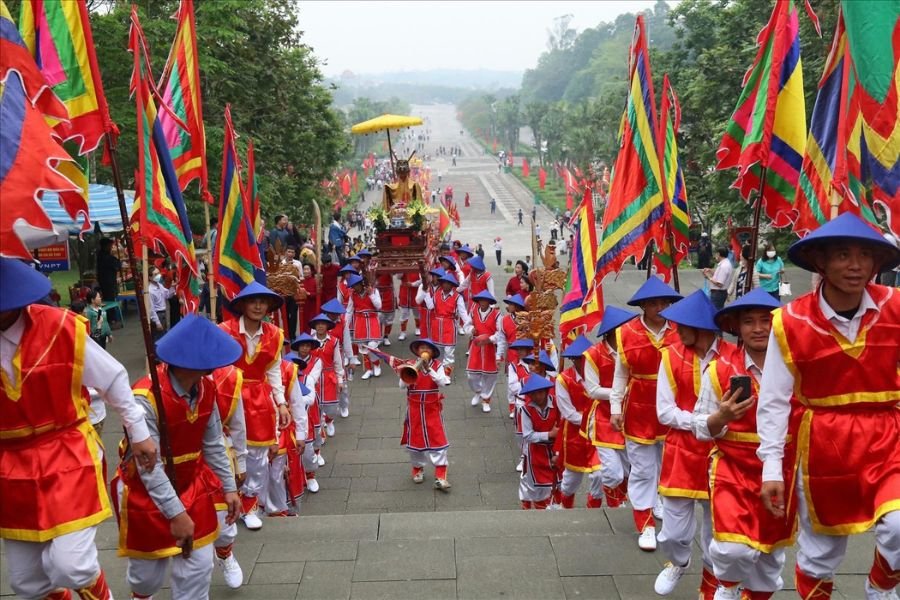
The Hung Kings’ Festival, known locally as Giỗ Tổ Hùng Vương, is one of Vietnam’s most significant traditional commemorations.
It honors the Hung Kings, legendary early rulers associated with the origins of the Vietnamese nation.
The main celebration takes place at Hung Temple in Phu Tho, north of Hanoi.
The festival traditionally takes place on the 10th day of the third lunar month, meaning the exact date changes each year.
What makes it special?
Visitors may encounter:
- Incense ceremonies
- Traditional processions
- Drums and ceremonial music
- Cultural performances
- Local food
- Large gatherings of Vietnamese families
This is particularly interesting for travelers who want to understand the historical and cultural foundations of Vietnam rather than simply visit tourist attractions.
Best for: history lovers, cultural travelers and visitors interested in Vietnamese traditions.
April – June: Hue Festival and Cultural Celebrations
Hue is one of Vietnam’s best destinations for travelers interested in history and heritage.
As the former imperial capital of Vietnam, Hue has a strong connection with the Nguyen Dynasty, imperial architecture and traditional arts.
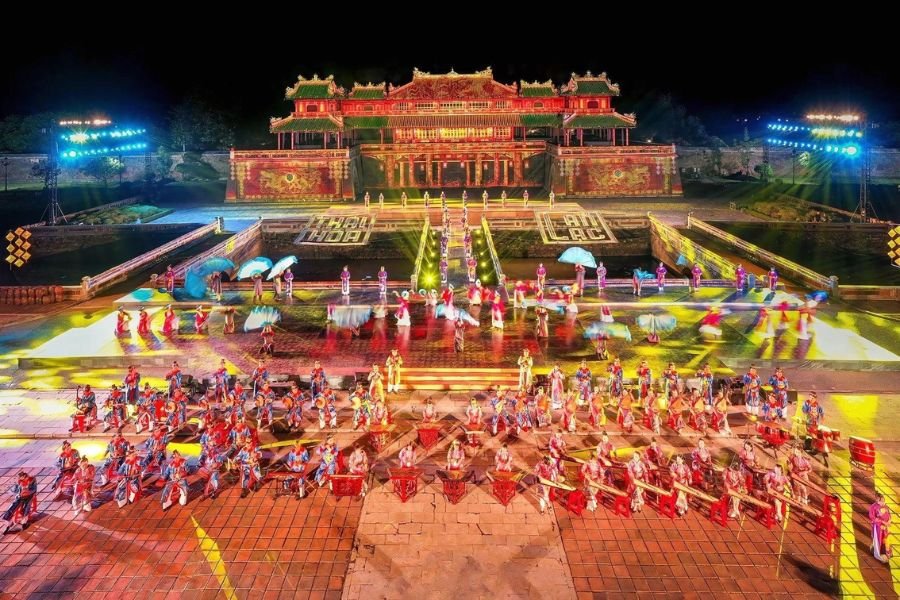
The city’s festival calendar includes major cultural programs and celebrations that bring performances, art and heritage experiences into different parts of the city.
Hue Tourism describes the city’s festival culture as a way of combining its imperial heritage with contemporary artistic experiences.
What can you experience in Hue?
Depending on the program and year, visitors may find:
- Traditional music
- Imperial-inspired performances
- Cultural exhibitions
- Art performances
- Traditional crafts
- Events around the Imperial Citadel
- Activities along the Perfume River
Hue’s festival atmosphere works particularly well as part of a wider Central Vietnam itinerary combining Hue, Da Nang, Hoi An and Phong Nha.
Best for: culture, history, architecture and photography.
May – July: Summer Festivals and Cultural Events
Vietnam’s summer calendar becomes increasingly active, particularly in coastal destinations.
Major tourism events can combine traditional culture with contemporary performances, food, art and entertainment.
For example, Vietnam Tourism’s 2026 events calendar includes the Da Nang International Fireworks Festival, which ran from May 30 to July 11, 2026, as well as the Hue Lotus Festival and Khanh Hoa Sea Tourism Festival.
Da Nang International Fireworks Festival
If you are visiting Central Vietnam during the festival period, Da Nang can be particularly exciting.
The combination of:
- Fireworks
- Han River views
- Beaches
- Night markets
- Restaurants
- Rooftop venues
makes Da Nang an excellent destination for travelers who want both cultural events and a lively city atmosphere.
Travel tip: Accommodation can become more competitive during major events, so book early if your itinerary is fixed.
August – September: Mid-Autumn Festival
The Mid-Autumn Festival, known as Tết Trung Thu, is one of the most visually distinctive Vietnam festivals.
It takes place on the 15th day of the eighth lunar month, so the date changes each year. The celebration is traditionally associated with children, family gatherings, lanterns, mooncakes and lion dances.
What makes Mid-Autumn Festival special?
In the weeks leading up to the celebration, streets can become filled with:
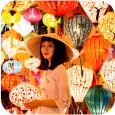
- Colorful lanterns
- Mooncake stalls
- Children’s toys
- Lion dance performances
- Traditional masks
- Street decorations
For travelers who want to experience more than the major attractions, Vietnam Cultural Experiences can offer a deeper look at local traditions, food and everyday life.
Where should you experience it?
Hanoi
The Old Quarter becomes particularly atmospheric, with streets such as Hang Ma known for colorful seasonal decorations and traditional toys.
Hoi An
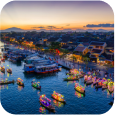
Hoi An is one of the most atmospheric places to experience the festival. Lanterns, the Thu Bon River and the historic Old Town create a memorable setting for an evening walk.
Ho Chi Minh City
For a different experience, head to Cho Lon, where the city’s Chinese-Vietnamese community has strong Mid-Autumn traditions.
Vietnam Tourism specifically highlights Hanoi, Hoi An and Ho Chi Minh City’s Cho Lon as places where travelers can experience Mid-Autumn celebrations.
Best for: photographers, families, food lovers and first-time visitors interested in local culture.
September: Vietnam Independence Day
September 2 is Vietnam’s National Day.
The celebration commemorates the declaration of independence in 1945 and is marked by flags, decorations and public celebrations across the country.
In major cities, travelers may notice:
- Vietnamese flags displayed throughout the streets
- Special decorations
- Public performances
- Crowded city centers
- Fireworks or public events in selected locations
It is a good opportunity to see a strong sense of national pride and community spirit.
Travel tip: Expect some busy public spaces and increased domestic travel around the holiday period.
September – October: Kate Festival
For travelers looking beyond Vietnam’s mainstream tourist experiences, the Kate Festival offers an opportunity to learn about Cham culture.
It is an important religious celebration for the Cham Brahman community and is traditionally held around late September or early October.
Vietnam Tourism identifies Kate as a significant annual religious event and a National Intangible Cultural Heritage.
The celebration includes religious rituals, traditional costumes, music and cultural practices.
Because this is a meaningful religious and cultural event, travelers should approach it respectfully rather than treating it simply as a photo opportunity.
Best for: cultural travelers and visitors interested in Vietnam’s ethnic diversity.
October – November: Autumn and Local Cultural Events
Autumn is a good time to explore Vietnam’s cultural side beyond major national celebrations.
Depending on the year, cities and provinces organize events connected to:
- Traditional crafts
- Food
- Heritage
- Tourism
- Local communities
- Performing arts
For example, Vietnam’s 2026 tourism calendar includes the Hanoi Craft Village Tourism & Gastronomy Festival and the Central Highlands Gong Culture International Festival in October.
These types of events can be particularly valuable for travelers who want to combine sightseeing with authentic local experiences.
December: Da Lat Flower Festival
If you love flowers, photography and cool mountain weather, December is a great time to visit Da Lat.
The Da Lat Flower Festival is one of the city’s major cultural-tourism events and showcases the region’s flower industry, gardens and creative displays.
Vietnam Tourism lists the 11th Da Lat Flower Festival 2026 for December 2026, with activities taking place across Da Lat and surrounding areas.
Why visit Da Lat during the festival?
You can combine the festival with:
- Flower gardens
- Coffee farms
- Local markets
- Scenic mountain roads
- Waterfalls
- Boutique cafés
- Cool-weather walks
It is also an easy destination to combine with a wider Vietnam itinerary.
Best for: couples, photographers, food lovers and travelers looking for a cooler climate.
Vietnam Festivals Calendar at a Glance
| Period | Festival / Event | Best Destination | Best For |
|---|---|---|---|
| Jan–Feb | Tet / Lunar New Year | Hanoi, HCMC, nationwide | Culture & traditions |
| Mar–Apr | Hung Kings’ Festival | Phu Tho | History & heritage |
| Apr–Jun | Hue Festival & cultural events | Hue | Culture & history |
| May–Jul | Da Nang International Fireworks Festival | Da Nang | Entertainment & nightlife |
| Aug–Sep | Mid-Autumn Festival | Hoi An, Hanoi, HCMC | Culture & photography |
| September | Independence Day | Nationwide | Local atmosphere |
| Sep–Oct | Kate Festival | Central/South-Central Vietnam | Cham culture |
| Oct–Nov | Craft & cultural festivals | Hanoi, Central Highlands | Local experiences |
| December | Da Lat Flower Festival | Da Lat | Nature & photography |
Important: Festival dates and event programs can change from year to year, particularly for celebrations based on the lunar calendar. Always check the latest official schedule before traveling.
How to Plan Your Trip Around Vietnam Festivals
You do not necessarily need to build your entire itinerary around a festival.
Instead, consider adding one cultural event to an existing route.
For a first-time Vietnam trip
A route such as:
Hanoi → Ninh Binh → Hue → Hoi An → Ho Chi Minh City
can give you a combination of history, food, nature and city life.
If your travel dates overlap with a major celebration, you can then adjust the itinerary to include it.
If you love Vietnamese culture
Spend more time in destinations such as:
- Hue
- Hoi An
- Hanoi
- Phu Tho
- Ninh Binh
These destinations offer opportunities to explore temples, traditional architecture, local food, craft villages and cultural experiences alongside festivals.
If you prefer photography
Look for festivals involving:
- Lanterns
- Traditional costumes
- Processions
- Flowers
- Night performances
- Local markets
Mid-Autumn Festival in Hoi An and the Da Lat Flower Festival are particularly attractive for photographers.
Festival Travel Tips for International Visitors
1. Check the date carefully
Many Vietnam festivals follow the lunar calendar, so their dates change annually.
Do not rely on a festival date from an old blog post when planning your trip.
2. Book accommodation early
Popular festivals can bring a significant increase in visitors, particularly in destinations with limited accommodation such as Hoi An, Hue or Da Lat.
3. Expect crowds
A festival is a local celebration, not a private tourist attraction.
Be prepared for busy streets, traffic and crowded public spaces.
4. Respect religious traditions
When visiting temples, pagodas or religious ceremonies:
- Dress appropriately
- Avoid interrupting ceremonies
- Ask before photographing people closely
- Follow local instructions
- Avoid touching religious objects
5. Try the local food
Food is an important part of many Vietnamese celebrations.
Depending on the festival, you may encounter seasonal dishes, mooncakes, traditional sweets, street food and regional specialties.
6. Stay flexible
Festival programs can change because of weather, local arrangements or official schedules.
Leave some flexibility in your itinerary rather than planning every hour around a particular event.
Are Vietnam Festivals Worth Planning a Trip Around?
For most travelers, the answer is yes — but with some flexibility.
A festival can add something that ordinary sightseeing cannot: a glimpse into how Vietnamese communities celebrate, remember their history and maintain traditions.
However, the best experience often comes from combining the festival with everyday local experiences.
For example, don’t visit Hoi An only for its lanterns. Spend time walking through the Old Town, try local food, explore the surrounding countryside and talk to local people.
Likewise, don’t visit Hue only for a festival performance. Explore the Imperial Citadel, royal tombs, local cuisine and the Perfume River.
This combination gives you a deeper understanding of Vietnam beyond the festival itself.
Final Thoughts: Experience Vietnam Beyond the Tourist Attractions
Vietnam’s festivals reveal a side of the country that travelers can easily miss.
From the family traditions of Tet and colorful lanterns of Mid-Autumn Festival to the historical significance of the Hung Kings’ Festival, the cultural celebrations of Hue and the flowers of Da Lat, each event offers a different perspective on Vietnamese life.
The best festival for you depends on your travel style.
Love history? Explore Hue and the Hung Kings’ Festival.
Love photography? Consider Hoi An’s lantern celebrations or Da Lat’s flower season.
Want to experience local traditions? Plan around Tet or Mid-Autumn Festival.
And if you want to experience Vietnam beyond the standard tourist route, combining a festival with local experiences, traditional villages and authentic cultural activities can make your journey much more memorable.
Planning a trip to Vietnam? Maverick Journeys can help you build an itinerary around the destinations, experiences and seasons that match the way you want to travel.
FAQ: Vietnam Festivals
What is the most important festival in Vietnam?
Tet, or Vietnamese Lunar New Year, is one of the most important celebrations in the country. It is a major family and cultural holiday and is celebrated nationwide.
What is the best festival in Vietnam for tourists?
There is no single best festival. Mid-Autumn Festival, Tet, Hue’s cultural festivals and Da Lat Flower Festival can all be excellent depending on your interests and travel dates.
When is the Mid-Autumn Festival in Vietnam?
It takes place on the 15th day of the eighth lunar month, so the date changes each year.
Are Vietnamese festivals suitable for international travelers?
Yes. Many festivals are open to visitors, although travelers should respect local customs, religious practices and crowded public spaces.
Should I book hotels early for Vietnamese festivals?
Yes, especially for popular destinations such as Hoi An, Hue and Da Lat during major events. Booking early gives you more choice and can help avoid higher last-minute prices.