










Vietnam in September is a fascinating mix of golden rice terraces, early autumn landscapes, tropical showers and vibrant local life.
But September weather in Vietnam can be confusing for first-time visitors. While Northern Vietnam begins moving toward autumn, Central Vietnam enters a wetter period, and Southern Vietnam remains in its tropical rainy season.
Does that mean September is a bad time to travel?
Not at all.
In fact, September can be one of the most rewarding months for travelers interested in rice terraces, mountain scenery, photography, food and authentic local experiences. The key is knowing where to travel in Vietnam in September and building your itinerary around the country’s regional weather patterns.
This guide covers Vietnam weather in September, seven of the best destinations, what to pack, where to find golden rice fields and practical tips for planning your trip.
Is Vietnam in September Worth Visiting?
Yes. Vietnam in September is well worth considering, especially if Northern Vietnam is high on your travel list.
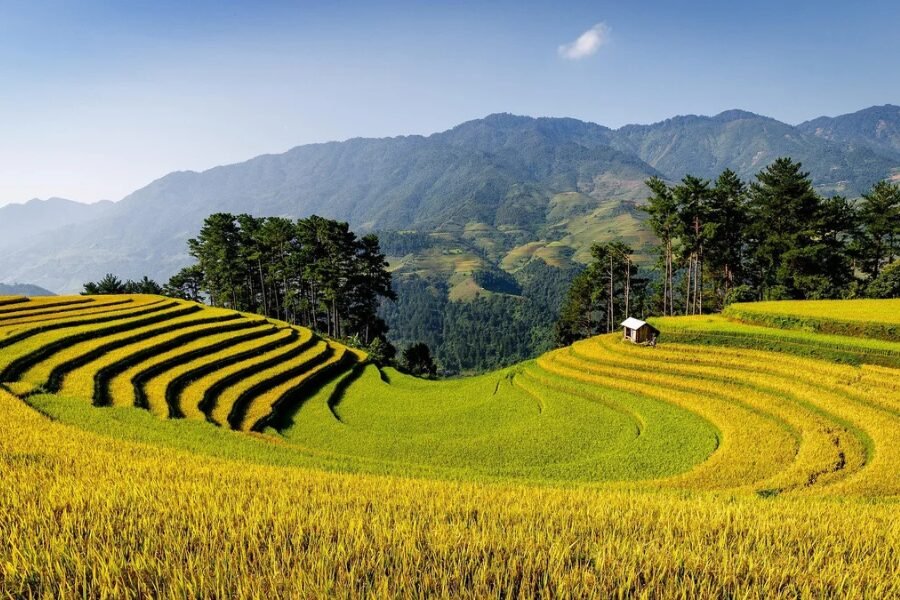
September is a transition month. Summer gradually gives way to autumn in the north, while rice-growing areas such as Sapa and Mù Cang Chải enter one of their most photogenic periods.
Vietnam’s official tourism website highlights September and October as an excellent period for experiencing the golden rice terraces of Northern Vietnam.
There are several reasons to consider September:
- Golden rice terraces in Northern Vietnam
- Beautiful mountain scenery
- Early autumn atmosphere in Hanoi
- Lush landscapes during the rainy season
- Excellent opportunities for photography
- Plenty of cultural and food experiences
The main disadvantage is unpredictable weather.
Rather than asking whether September is good for the whole country, it’s better to ask which part of Vietnam is best in September.
Vietnam Weather in September: What to Expect
One of the biggest mistakes travelers make is treating Vietnam as if it has a single climate.
The country stretches more than 1,600 kilometers from north to south, so conditions can be dramatically different depending on your destination.
Here’s what travelers should know about Vietnam in September weather.
Northern Vietnam in September
September is one of the most interesting months to explore Northern Vietnam.
Hanoi is gradually transitioning from the hot summer months toward autumn. The mountainous north can feel cooler, particularly in the mornings and evenings.
More importantly, September is associated with the beginning of the spectacular golden rice season in several northern destinations.
Sapa’s terraced fields are especially beautiful around September and October, according to Vietnam’s official tourism portal.
This makes September particularly attractive for:
Sapa – Mù Cang Chải – Ha Giang – Hanoi – Ninh Binh
Rain can still occur, particularly in mountainous regions, so travelers should monitor local conditions before trekking or taking long road journeys.
Central Vietnam in September
Central Vietnam requires more flexibility.
Destinations such as Da Nang, Hoi An and Hue can still have periods of sunshine, but September marks the beginning of a wetter and more unpredictable season.
Vietnam Tourism notes that Hoi An’s rainy season generally begins around September, with heavier rainfall and tropical weather becoming more likely during the following months.
This doesn’t mean you need to avoid Central Vietnam entirely.
Hoi An, for example, still offers plenty to experience during rainy periods: cafés, cooking classes, local food, tailor shops, heritage buildings and atmospheric lantern-lit streets.
However, travelers should avoid building an inflexible itinerary around beaches and outdoor activities.
Southern Vietnam in September
Southern Vietnam remains warm, humid and rainy during September.
Ho Chi Minh City and the Mekong Delta are within their rainy season, which generally runs from May to November.
Tropical showers are common, but they don’t necessarily last all day.
You may experience a sunny morning, a heavy afternoon downpour and clear conditions again by evening.
Phu Quoc is more weather-sensitive. September falls within one of the island’s wetter periods, so travelers primarily looking for perfect beaches may want to consider another time of year.
7 Best Places to Visit in Vietnam in September
If you’re deciding where to go in Vietnam in September, Northern Vietnam deserves particular attention.
Here are seven destinations to consider.
1. Sapa – Golden Rice Terraces
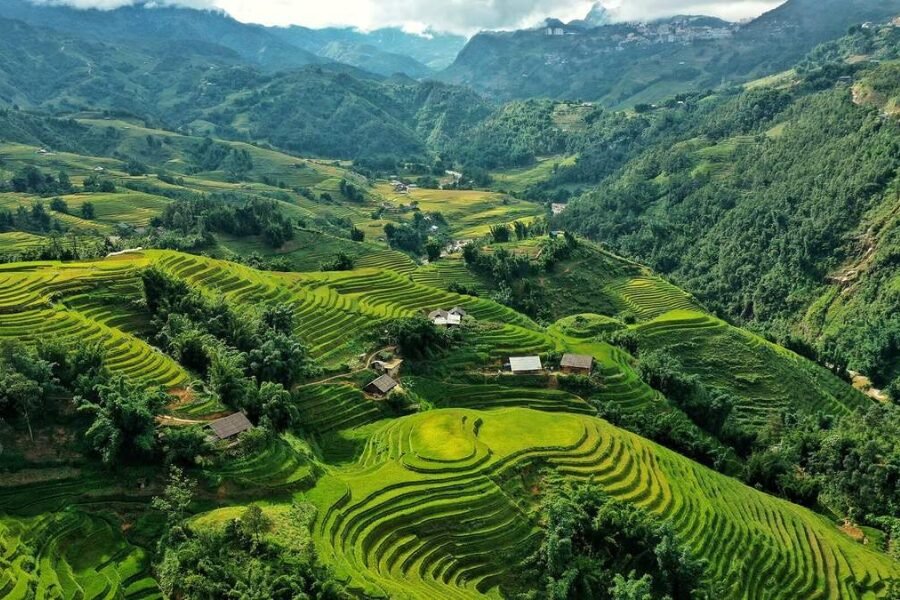
Few destinations represent Vietnam in September better than Sapa.
Set among the mountains of Lao Cai Province, Sapa is known for its dramatic valleys, terraced rice fields and ethnic minority communities.
September is particularly special because the rice terraces begin changing from lush green to shades of yellow and gold.
Vietnam Tourism recommends September and October for visitors hoping to experience Sapa’s rice terraces at their most beautiful.
Beyond photography, Sapa offers excellent opportunities for trekking through valleys and villages.
Instead of spending your entire visit around Sapa town, consider exploring areas such as Muong Hoa Valley and staying in a homestay or mountain lodge.
Best for: Rice terraces, trekking, photography and mountain scenery.
Travel tip: Stay at least two nights. Mountain weather can change quickly, so an additional day gives you more flexibility.
2. Mù Cang Chải – Spectacular Golden Season
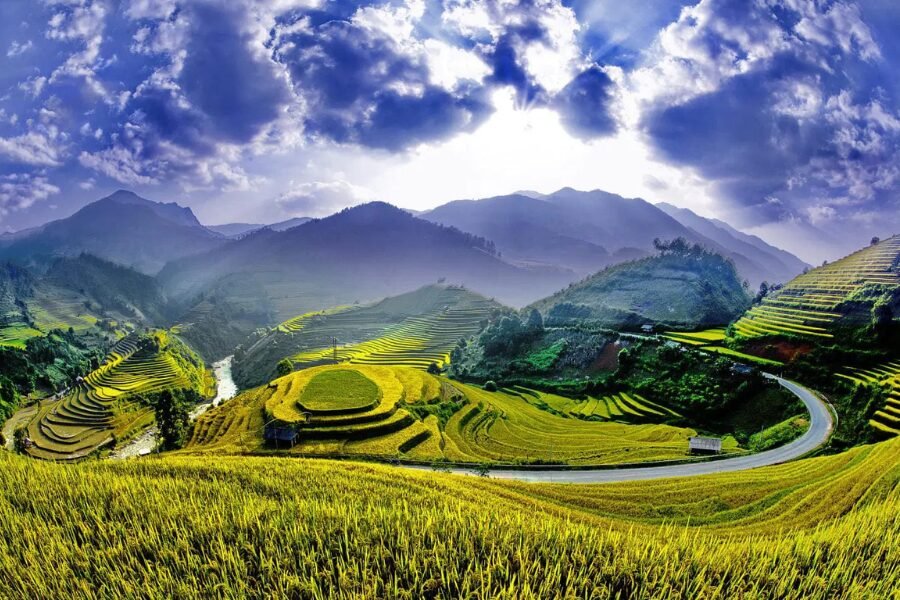
If seeing golden rice fields is one of your reasons for visiting Vietnam in September, put Mù Cang Chải high on your list.
The area is famous for spectacular terraced landscapes carved into the mountainsides.
September and October coincide with harvest season, transforming many of the hills into waves of yellow and gold.
Some of the most recognizable landscapes can be found around La Pán Tẩn, Chế Cu Nha and Khau Pha Pass.
Unlike Sapa, Mù Cang Chải remains less convenient to reach, but that’s part of its appeal for travelers seeking a more adventurous experience.
Best for: Photography, road trips, landscapes and adventure.
Travel tip: Rice harvesting dates can change according to location, altitude and weather. Check current local conditions before making a trip specifically for golden fields.
3. Hanoi – Experience Early Autumn
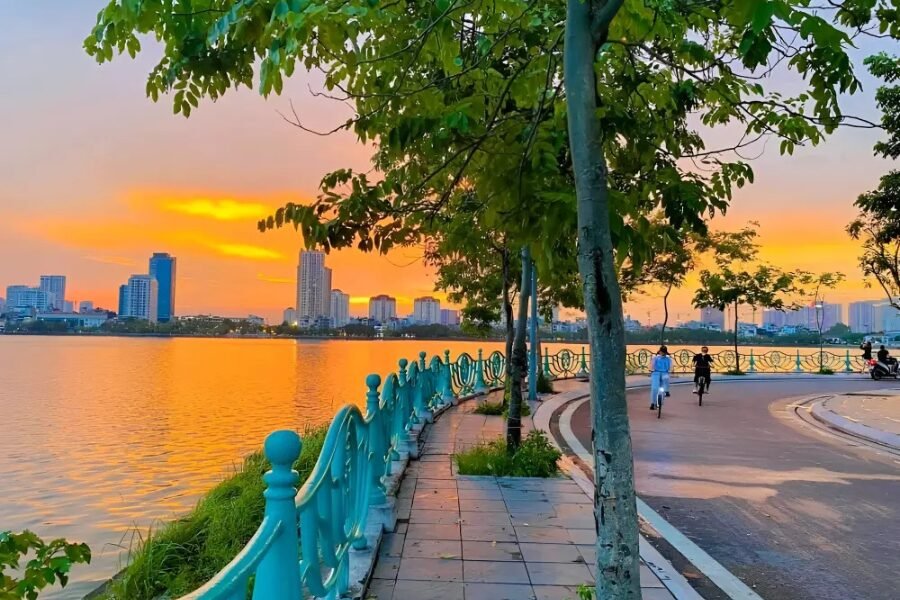
Hanoi has a special atmosphere as summer begins transitioning toward autumn.
September can still be warm, but exploring the city gradually becomes more comfortable as the season changes.
Start around Hoan Kiem Lake before wandering through the Old Quarter. Visit the Temple of Literature, explore local neighborhoods and leave plenty of time for Hanoi’s food and coffee culture.
September is also ideal for using Hanoi as the starting point for a wider Northern Vietnam journey.
From here, you can continue toward Ninh Binh, Sapa, Ha Giang or Mù Cang Chải.
For more planning ideas, explore our Hanoi Travel Guide.
Best for: Food, history, coffee, culture and first-time visitors.
4. Ninh Binh – Rivers and Limestone Mountains
Ninh Binh combines dramatic limestone mountains, peaceful waterways, temples and rural landscapes.
It’s also conveniently located within easy reach of Hanoi.
One of the best experiences is a boat journey through Trang An, where rivers wind between towering limestone formations.
You can also climb Hang Mua for panoramic views, explore Hoa Lu or cycle through the countryside.
September can still bring rain, but the surrounding landscape remains wonderfully green.
Ninh Binh also features prominently among our best places to visit in Vietnam.
Best for: Nature, photography and slow travel.
Travel tip: Consider spending one or two nights rather than visiting only on a day trip from Hanoi.
5. Ha Giang – For the Ultimate Mountain Adventure
Ha Giang offers one of Vietnam’s most extraordinary mountain journeys.
The famous Ha Giang Loop passes dramatic valleys, mountain passes and remote communities across the country’s far north.
September brings lush scenery and changing rice landscapes.
For photographers, the combination of rice fields, mountains, clouds and winding roads can be spectacular.
However, weather and road conditions require attention.
Mountain roads can become challenging after heavy rain. Travelers without significant motorbike experience should strongly consider traveling with an experienced local driver rather than riding independently.
Best for: Adventure, mountain landscapes and road trips.
Travel tip: Allow three or four days for the loop rather than trying to rush through it.
6. Ho Chi Minh City – Food and Urban Energy
Don’t dismiss Ho Chi Minh City simply because September falls within the rainy season.
Vietnam’s largest city offers enough food, culture, history and nightlife to keep travelers busy regardless of the occasional tropical downpour.
Visit historic landmarks, explore local markets, discover hidden cafés and spend your evenings sampling southern Vietnamese food.
Rain can even become part of the experience.
When a shower arrives, find a café, order a Vietnamese coffee and watch the city continue moving around you.
Our guide to the best things to do in Ho Chi Minh City can help you plan your stay.
Best for: Street food, nightlife, history and city experiences.
7. Mekong Delta – Tropical Local Life
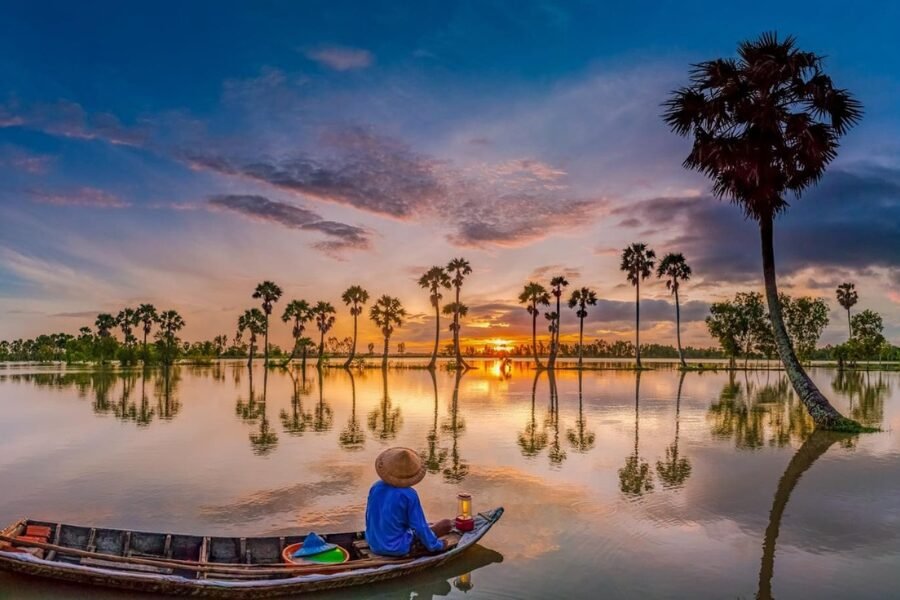
The Mekong Delta offers a slower and greener contrast to Ho Chi Minh City.
September falls within the rainy season, but that also contributes to the region’s lush tropical scenery.
Can Tho is one of the most common gateways, while destinations farther into the delta offer orchards, canals, local workshops and riverside communities.
Rather than rushing through the region on a short floating-market tour, consider spending at least one night.
If you’re interested in exploring life along the waterways, read our guide to Vietnam Floating Markets.
Best for: Local experiences, food, river life and slow travel.
Vietnam in September and the Golden Rice Season
One of the strongest reasons to visit Vietnam in September is the rice harvest.
Across Northern Vietnam, terraced landscapes begin changing from green to yellow and gold.
Some of the most famous destinations include:
Mù Cang Chải – One of Vietnam’s most iconic golden-season destinations.
Sapa – Accessible mountain scenery combined with trekking and village experiences.
Hoàng Su Phì – Impressive terraces in Ha Giang Province and a more remote atmosphere.
Pu Luong – Rice terraces, villages and nature closer to Hanoi.
The exact harvest period isn’t identical every year.
Weather, elevation and local farming schedules affect when individual fields turn golden and when harvesting begins.
For photographers, that uncertainty is part of the experience.
You can find more inspiration in our guide to Vietnam Photography Spots.
What About Ha Long Bay in September?
Yes, you can visit Ha Long Bay in September.
But travelers should understand that cruise operations are weather-dependent.
Tropical storms or severe weather can occasionally affect sailing schedules, and authorities may suspend cruise operations when conditions are unsafe.
Don’t panic if your forecast shows clouds.
Ha Long Bay can be incredibly atmospheric under mist and dramatic skies.
If possible, avoid scheduling an international flight immediately after your cruise. Leaving a buffer night gives you more flexibility if weather affects your plans.
Suggested 10-Day Vietnam in September Itinerary
For a first visit during September, we recommend focusing primarily on Northern Vietnam before finishing in the south.
A practical itinerary could be:
Days 1–2: Hanoi
Explore the Old Quarter, Hoan Kiem Lake, temples and local food.
Days 3–4: Ninh Binh
Experience Trang An, Hang Mua and the countryside.
Days 5–7: Sapa or Ha Giang
Choose Sapa for trekking and golden rice terraces or Ha Giang for a more adventurous road journey.
Day 8: Ho Chi Minh City
Fly south and explore the city.
Day 9: Mekong Delta
Experience riverside communities and local life.
Day 10: Ho Chi Minh City
Enjoy one final day before departure.
If you have more time, our Vietnam 2 Week Itinerary provides a useful starting point for extending your journey.
What to Pack for Vietnam in September
Because conditions vary between regions, packing for Vietnam in September requires versatility.
Bring lightweight and breathable clothing for warm, humid days, along with a compact umbrella or lightweight rain jacket.
Comfortable walking shoes are essential.
For Sapa, Ha Giang and other mountain areas, pack an additional light layer for cooler mornings and evenings.
A practical packing list includes breathable clothes, rain protection, comfortable footwear, sunscreen, insect repellent, a reusable water bottle and a waterproof pouch for electronics.
When visiting temples and religious sites, carry clothing that covers your shoulders and knees.
Essential Vietnam September Travel Tips
1. Check Weather by Destination
Don’t search only for “Vietnam weather.”
Check the forecast individually for Hanoi, Sapa, Hoi An, Ho Chi Minh City or wherever you’re heading.
2. Build Flexibility Into Your Itinerary
Avoid scheduling every activity back-to-back.
If rain interrupts an outdoor activity, having free time allows you to move things around.
3. Take Mountain Weather Seriously
Check local road and trekking conditions before visiting mountainous areas after heavy rainfall.
4. Respect the Rice Fields
Terraced fields are working farms, not photography sets.
Stay on appropriate paths, don’t damage crops and ask permission before photographing local people at close range.
5. Don’t Let a Rain Icon Ruin Your Plans
A rainy-season forecast doesn’t necessarily mean rain from morning until night.
Tropical showers can arrive suddenly and disappear just as quickly.
Is September a Good Month for Photography in Vietnam?
Absolutely.
September can be one of the most rewarding periods for landscape photographers.
Golden rice terraces, green mountains, dramatic clouds and mist create very different conditions from the dry winter months.
Northern destinations are particularly attractive.
Early mornings can bring mist across mountain valleys, while late-afternoon light can transform rice terraces into layers of gold.
If photography is one of your priorities, check our guide to 20 stunning Vietnam Photography Spots.
Who Should Visit Vietnam in September?
Vietnam in September is particularly suitable for travelers who enjoy nature, photography, trekking, food and cultural experiences.
It’s also an excellent choice if you’re comfortable keeping your itinerary flexible.
However, September may be less suitable if your main priority is guaranteed sunshine and perfect beach conditions every day.
Understanding this trade-off before booking will help you build a trip that matches your expectations.
FAQs About Vietnam in September
Is September a good time to visit Vietnam?
Yes. September can be an excellent month to visit Vietnam, particularly for Northern Vietnam’s mountain scenery and golden rice season. However, weather varies considerably between the north, central and southern regions.
Is Vietnam rainy in September?
Rain is possible throughout the country, but conditions vary by region. Central and Southern Vietnam can experience significant rainfall, while Northern Vietnam begins transitioning toward autumn.
Where is the best place in Vietnam in September?
Sapa and Mù Cang Chải are among the best choices if you want mountain landscapes and golden rice terraces. Hanoi, Ninh Binh and Ha Giang are also strong options.
Can I visit Hoi An in September?
Yes, but you should keep your itinerary flexible. September marks the beginning of a wetter period in Central Vietnam, so rain and tropical weather can affect outdoor plans.
Is Sapa worth visiting in September?
Yes. September is one of the most attractive periods for Sapa because the rice terraces begin turning golden around the harvest season.
What should I wear in Vietnam in September?
Pack lightweight clothing, comfortable walking shoes and rain protection. If you’re traveling to Northern Vietnam’s mountains, bring a light extra layer for cooler mornings and evenings.
Final Thoughts: Planning Vietnam in September
Vietnam in September isn’t about chasing perfect weather everywhere.
It’s about traveling with the season.
Head north and you may find golden rice terraces cascading down mountain valleys. Spend time in Hanoi and you’ll begin to feel the transition toward autumn. Travel south and tropical showers become part of the rhythm of daily life.
The key is flexibility.
Choose destinations according to regional conditions, leave room in your itinerary for weather changes and don’t try to squeeze the entire country into a short trip.
Do that, and September can offer one of the most colorful and memorable sides of Vietnam.
Maverick Journeys — Your Vietnam Travel Expert
𝐔𝐧𝐛𝐨𝐮𝐧𝐝 • 𝐔𝐧𝐭𝐨𝐮𝐜𝐡𝐞𝐝 • 𝐔𝐧𝐟𝐨𝐫𝐠𝐞𝐭𝐭𝐚𝐛𝐥𝐞