










Ha Long Bay is one of Vietnam’s most iconic travel destinations, known for its emerald waters, towering limestone islands, and unforgettable overnight cruises. For many international visitors, spending a night on the bay is a highlight of their Vietnam adventure.
But before booking, it’s natural to ask: How safe are Ha Long Bay cruises?
Are overnight boats reliable? What happens if a storm approaches? Are life jackets available? And how can travelers choose a cruise company that takes passenger safety seriously?
The answer is that Ha Long Bay cruises can be a safe and rewarding experience when you choose a properly licensed operator, follow safety instructions, and travel under suitable weather conditions. However, no boat journey is completely risk-free.
Understanding Ha Long Bay cruise safety before booking can help you make informed decisions, prepare for unexpected situations, and enjoy your trip with greater confidence.
This comprehensive guide covers safety regulations, weather risks, overnight cruises, emergency procedures, and nine essential tips for a safer Ha Long Bay experience.

Are Ha Long Bay Cruises Generally Safe?
Ha Long Bay is one of Vietnam’s most established tourism destinations, welcoming visitors from around the world for sightseeing and overnight cruises.
Tourist vessels operate within a regulatory framework that includes vessel inspections, passenger transport requirements, crew qualifications, and departure permissions.
Local authorities are responsible for monitoring waterway safety and may restrict cruise operations when conditions become dangerous.
However, regulations alone do not guarantee that every vessel provides the same level of safety.
The condition of the boat, experience of the crew, availability of emergency equipment, and ability to respond to changing weather all play important roles.
For international travelers, choosing a reputable and properly authorized cruise operator is one of the most effective ways to reduce avoidable risks.
A well-managed cruise should provide clear safety instructions, appropriate life-saving equipment, and transparent information about itinerary changes or cancellations.
The key takeaway: Ha Long Bay cruise safety depends on the specific vessel, its crew, operating procedures, and weather conditions rather than the destination alone.
If you’re planning a longer journey, explore our Vietnam Travel Guide for more practical information about traveling around the country.
What Safety Measures Should Ha Long Bay Cruises Have?
Before booking, it helps to understand the basic safety measures you should expect from a professional cruise operator.

1. Valid Vessel Registration and Operating Permission
Commercial cruise vessels should have the necessary registration, inspection documentation, and authorization to operate on their designated routes.
These requirements help establish whether a boat is permitted to transport passengers.
Travelers do not need to understand every Vietnamese maritime document, but a legitimate operator should be able to explain its licensing and safety procedures.
If a company avoids questions about the vessel or cannot clearly identify the boat you will board, consider choosing another operator.
2. Life Jackets and Emergency Equipment
Life jackets are among the most important safety items on any cruise.
Passenger vessels are required to carry appropriate life-saving equipment under applicable regulations.
Before departure, check that suitable life jackets are available and that you know where yours is located.
If you’re traveling with children, ask specifically about properly sized child life jackets rather than assuming adult equipment will fit.
Other important equipment may include fire extinguishers, emergency communication systems, life-saving devices, and clearly identified evacuation routes.
3. Trained Crew and Safety Instructions
A professional crew should understand passenger safety, emergency procedures, and how to respond to changing conditions.
At the beginning of your journey, pay attention to the safety briefing.
You should know where to find life jackets, which areas of the boat are restricted, how to move safely between decks, and what to do when the crew gives emergency instructions.
If the briefing is unclear or not provided in a language you understand, ask a staff member for clarification.
4. Weather Monitoring and Departure Controls
Weather monitoring is particularly important in Ha Long Bay, where conditions can change quickly.
Port authorities can suspend departure permissions during dangerous weather, including tropical storms.
These decisions are important safety measures, even though they may disrupt travelers’ plans.
A responsible operator should comply with official restrictions and should never pressure passengers to continue a trip when conditions are unsafe.
Is It Safe to Stay Overnight on a Ha Long Bay Cruise?
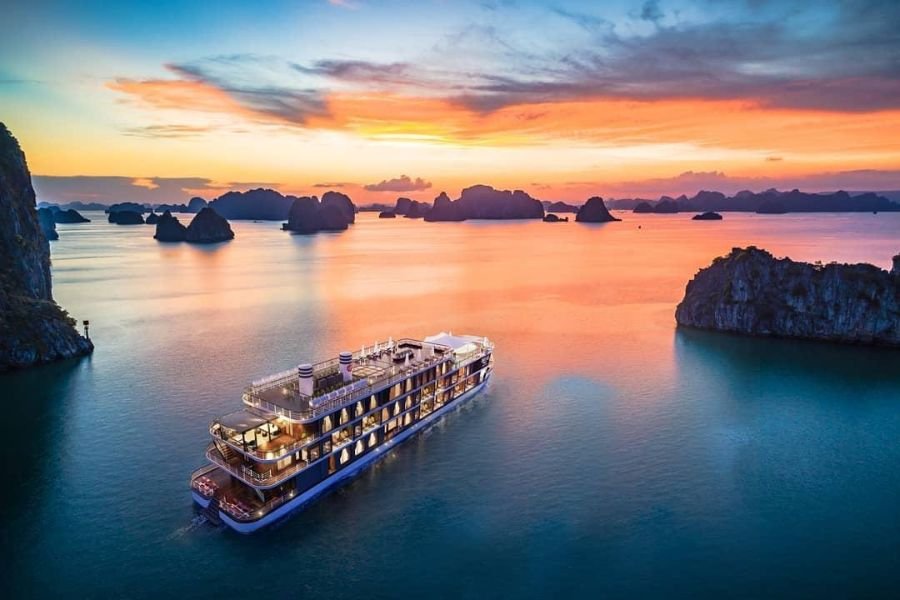
Overnight cruises are among the most popular ways to experience Ha Long Bay.
They allow travelers to enjoy sunset views, evening activities, and the peaceful atmosphere of the bay before the day-trip crowds return.
But sleeping on a boat introduces additional considerations that do not apply to a short sightseeing excursion.
Fire Safety and Emergency Exits
Before settling into your cabin, identify the nearest emergency exit and understand how to reach the designated assembly area.
Avoid blocking doorways or corridors with luggage.
Check that the cabin door opens easily and that you can locate essential items if the lights go out.
You can also ask whether the vessel has smoke detectors, fire alarms, and appropriate firefighting equipment.
Overnight Weather Conditions
A calm afternoon does not guarantee that weather conditions will remain unchanged throughout the night.
Strong winds, thunderstorms, and sudden changes in visibility can affect vessels even when they are anchored.
Cruise operators must follow relevant weather guidance and port authority instructions.
If overnight operations are suspended, your cruise may be shortened, rescheduled, or canceled.
Moving Around the Boat at Night
Decks and stairs can become slippery, particularly after rain or when surfaces are wet.
Use handrails, wear non-slip footwear, and avoid leaning over railings.
Children should not move around exposed decks without adult supervision.
If you’re prone to motion sickness, choose a suitable cabin and discuss medication with a healthcare professional before traveling.
Is an Overnight Cruise Safer Than a Day Cruise?
Neither option is automatically safer.
Day cruises involve less time on the water, while overnight cruises introduce additional considerations such as cabin safety, overnight monitoring, and emergency evacuation.
What matters most is the condition of the vessel, crew competence, safety equipment, weather, and compliance with operating requirements.
For travelers who feel uncomfortable sleeping aboard a boat, a daytime cruise can still provide a memorable Ha Long Bay experience.
When evaluating Ha Long Bay cruise safety, consider your personal comfort level as well as the vessel’s safety arrangements.
Weather Risks: When Can Ha Long Bay Cruises Become Unsafe?
Weather is one of the most important factors affecting Ha Long Bay cruise safety.
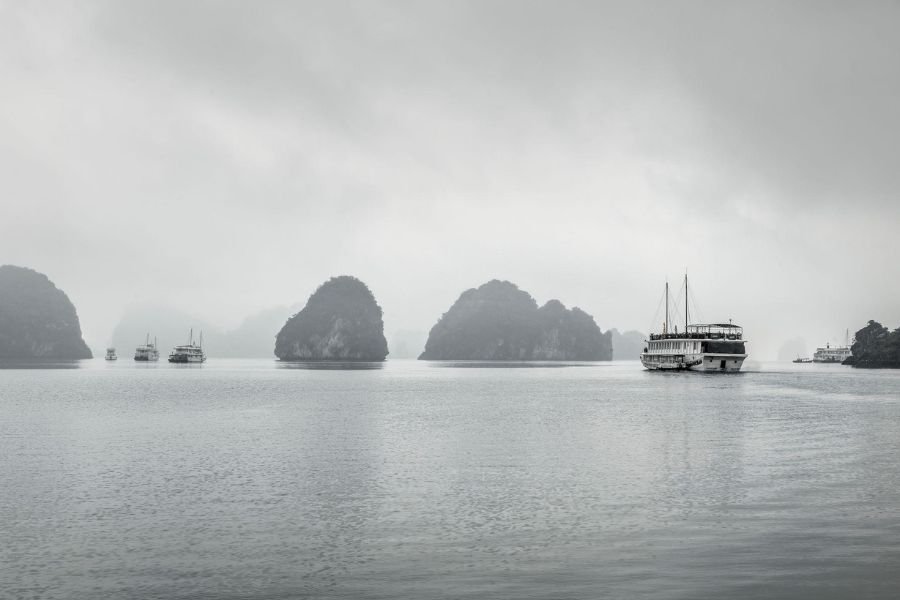
The bay’s sheltered landscape can appear calm, but thunderstorms, strong winds, heavy rain, and tropical storms can create dangerous conditions.
Typhoon Season in Ha Long Bay
Northern Vietnam can experience tropical storms during the warmer months, with weather-related disruptions particularly relevant from summer into early autumn.
Not every day during this period is dangerous, and many cruises operate normally when conditions permit.
However, storms may lead to cancellations, route changes, or temporary suspension of departures.
Spring and autumn often offer pleasant conditions for sightseeing, although storms and sudden weather changes remain possible.
What Happens If a Cruise Is Canceled Due to Bad Weather?
When authorities suspend departures, cruise operators must comply with the restrictions.
Depending on the circumstances and your booking terms, the company may offer a different departure date, an alternative activity, a refund, or another arrangement.
Do not assume that every operator follows the same cancellation policy.
Before paying, ask whether weather-related cancellations qualify for a full refund, whether rescheduling is possible, and what happens if the trip ends early.
If Ha Long Bay is an essential part of your Vietnam holiday, consider leaving some flexibility in your schedule.
Can Cruises Be Canceled Even When the Weather Looks Good?
Yes.
Departure decisions may consider weather forecasts, approaching storms, sea conditions, and official safety warnings rather than only the weather visible at the harbor.
A sunny morning does not necessarily mean a cruise has permission to depart.
Never encourage an operator to ignore an official restriction simply because conditions appear manageable.
9 Essential Ha Long Bay Cruise Safety Tips
Whether you’re planning a short sightseeing trip or a luxury overnight experience, these practical Ha Long Bay cruise safety tips can help you make safer decisions.
1. Choose a Licensed and Established Cruise Operator
Look for a company that clearly identifies its vessels, departure port, contact information, and booking conditions.
Read recent reviews, paying particular attention to comments about safety briefings, boat maintenance, cleanliness, and how staff handled unexpected situations.
2. Check the Weather Before Departure
Monitor forecasts in the days leading up to your cruise and confirm the departure status with your operator.
Avoid relying entirely on a general Vietnam weather forecast because conditions can vary significantly between regions.
3. Know Where Your Life Jacket Is
Locate your life jacket before the boat leaves the harbor.
Check that it is suitable for your size and ask the crew how to wear it correctly.
Wear it whenever required by the crew or the activity’s safety rules.
4. Listen Carefully to the Safety Briefing
Pay attention to emergency instructions, assembly points, restricted areas, and evacuation procedures.
Ask questions if anything is unclear.
5. Follow Crew Instructions During Activities
Kayaking, swimming, and small-boat transfers may involve additional risks.
Use the provided safety equipment and follow instructions about permitted areas and weather conditions.
Do not enter the water unless the activity is authorized and supervised appropriately.
6. Supervise Children Closely
Children should remain under adult supervision, particularly on open decks, stairs, and during transfers between vessels.
Confirm the availability of appropriately sized flotation equipment before booking.
7. Wear Suitable Footwear
Non-slip shoes or sandals can reduce the risk of falls on wet decks.
Avoid footwear that makes climbing stairs or boarding small boats difficult.
8. Keep Essential Items Accessible
Carry any necessary medication, identification, and important contact details.
A waterproof pouch can be useful for protecting your phone and documents during water-based activities.
9. Never Ignore an Official Weather Warning
If the authorities or captain cancel an activity because of unsafe conditions, respect the decision.
A missed excursion is inconvenient, but safety should always take priority over an itinerary.
Following these precautions can improve your preparedness, although no checklist can eliminate every risk associated with traveling by boat.
How to Choose a Safe Ha Long Bay Cruise
Choosing the right cruise is one of the most important decisions you can make.
Price and luxury ratings can be useful comparison points, but neither guarantees safety.
Before booking, compare operators using the following checklist.
| What to check | Questions to ask |
|---|---|
| Vessel authorization | Is the boat licensed and authorized for its itinerary? |
| Safety equipment | Are suitable life jackets and emergency equipment available? |
| Crew procedures | Is a passenger safety briefing provided? |
| Weather policy | What happens if departures are suspended? |
| Emergency response | How does the crew communicate and respond during an emergency? |
| Family suitability | Are child-sized life jackets and suitable facilities available? |
| Booking transparency | Are the operator, vessel, itinerary, and cancellation terms clearly identified? |
A reputable operator should be willing to answer reasonable questions before you make a payment.
When comparing cruise options, don’t focus only on the number of stars or cabin facilities. A comfortable room and beautiful itinerary are important, but safety procedures and reliable operations should always come first.
Ha Long Bay cruise safety should be part of your booking decision, not something you consider only after arriving at the harbor.
Are Ha Long Bay Cruises Safe for Families and Older Travelers?
Ha Long Bay cruises can be enjoyable for families, couples, and older travelers, but suitability depends on the individual vessel and the needs of each passenger.
Traveling With Young Children
Families should look for boats with secure railings, appropriate sleeping arrangements, and clearly explained safety procedures.
Check whether child-sized life jackets are available and whether the planned activities are suitable for your children’s ages and swimming abilities.
Avoid assuming that all cruise packages are equally family-friendly.

Traveling With Older Adults
Some vessels have steep stairs, narrow corridors, or multiple levels without elevators.
Transfers between boats and floating platforms can also be challenging for travelers with limited mobility.
Before booking, ask about stair access, cabin location, boarding assistance, and whether the itinerary requires strenuous activities.
Travelers With Medical Conditions
If you have a medical condition that may affect your ability to travel by boat, consult a qualified healthcare professional before departure.
Also ask the cruise operator about access to medical assistance, emergency communication, and evacuation arrangements.
Because vessels may be some distance from shore, medical response times can vary.
What Should You Do in an Emergency on a Ha Long Bay Cruise?
Although travelers hope never to face an emergency, knowing how to respond can make a significant difference.
If an incident occurs, stay calm and follow the captain’s and crew’s instructions.
Put on your life jacket when instructed, move to the designated assembly area, and avoid blocking exits.
Do not jump into the water unless directed by the crew or necessary to escape an immediate life-threatening situation.
If you become separated from your group, inform a crew member as soon as possible.
For medical concerns, alert the crew immediately rather than waiting for symptoms to worsen.
The most useful preparation is to understand the emergency procedures before the cruise begins.
Best Time to Take a Ha Long Bay Cruise
For travelers prioritizing comfortable weather and a lower likelihood of storm-related disruption, spring and autumn are generally good periods to consider.
| Season | Typical conditions | What travelers should know |
|---|---|---|
| Spring (March–April) | Mild temperatures, possible mist | Often comfortable for sightseeing |
| Summer (May–August) | Hot, humid, with rain and possible storms | Greater need for flexible plans |
| Autumn (September–November) | Often pleasant, with variable rainfall | Generally attractive for cruising, but storms remain possible |
| Winter (December–February) | Cooler, sometimes misty | Good for sightseeing, though visibility and temperatures vary |
These are broad seasonal patterns, not guarantees of safe sailing conditions.
Even during favorable months, Ha Long Bay cruise safety depends on actual weather conditions and official departure permissions.
If you’re planning a longer journey through Vietnam, explore our Vietnam 2 Week Itinerary for ideas on combining Ha Long Bay with other destinations.
Frequently Asked Questions About Ha Long Bay Cruise Safety
Are Ha Long Bay cruises safe for first-time visitors?
They can be a suitable choice for first-time visitors when booked with a properly authorized operator and operated under appropriate weather conditions. Travelers should still review safety procedures and cancellation policies before departure.
Do Ha Long Bay cruise boats have life jackets?
Passenger vessels are required to carry appropriate flotation equipment. Travelers should verify that suitable life jackets are available and follow the crew’s instructions about wearing them.
Is it safe to sleep on a cruise in Ha Long Bay?
Overnight cruises can be a reasonable option when the vessel meets applicable safety requirements and weather conditions permit. Check cabin exits, emergency instructions, and the operator’s procedures before booking.
What happens if there is a storm during my cruise?
The captain and crew should follow relevant safety procedures and official instructions, which may involve changing the route, seeking shelter, or returning to port when appropriate. Actual decisions depend on the circumstances.
Can Ha Long Bay cruises be canceled because of rain?
Rain alone does not always prevent cruising. However, dangerous weather, strong winds, thunderstorms, or official restrictions may result in cancellations or itinerary changes.
Are luxury Ha Long Bay cruises safer than budget cruises?
Not necessarily. A higher price or luxury classification does not automatically indicate better safety standards. Vessel condition, crew training, emergency equipment, and operating compliance are more meaningful factors.
What is the most important Ha Long Bay cruise safety tip?
Choose a properly authorized cruise operator that follows official weather restrictions, provides appropriate safety equipment, and clearly explains its emergency procedures.
Final Thoughts: Should You Worry About Ha Long Bay Cruise Safety?
A cruise through Ha Long Bay can be one of the most memorable experiences of a Vietnam holiday.
Watching the sunset over limestone islands, exploring beautiful caves, and waking up surrounded by peaceful scenery are experiences that attract travelers from around the world.
However, Ha Long Bay cruise safety should never be an afterthought.
Choosing a properly authorized operator, checking the weather, understanding emergency procedures, and following crew instructions are practical steps that can help reduce risks.
No cruise can promise complete safety, but informed planning allows you to make better decisions and enjoy the experience with greater confidence.
Whether you’re planning a day cruise or an overnight journey, a little preparation can help you focus on what makes Ha Long Bay special: its breathtaking scenery, peaceful waters, and unforgettable travel experiences.