










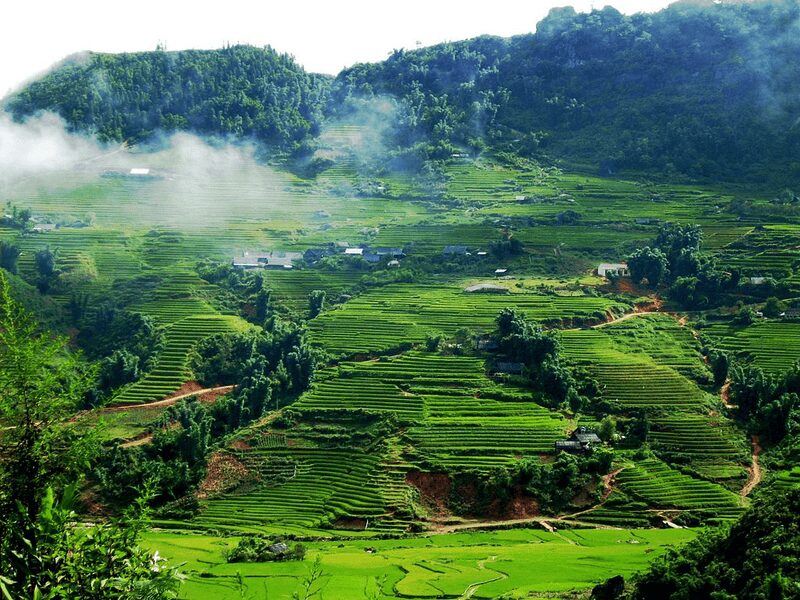
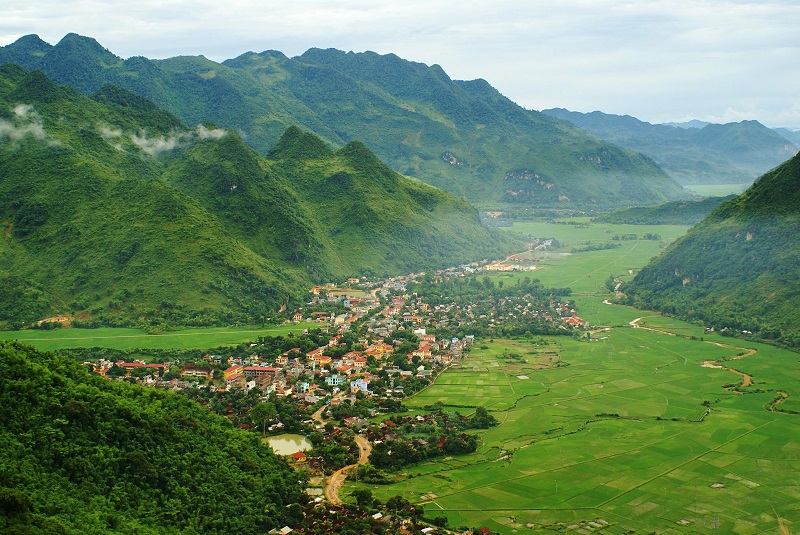
Mai Chau is the kind of place that quietly wins you over. Just a few hours from Hanoi, this green valley in Hòa Bình Province feels like a different rhythm of Vietnam—rice paddies stretching toward limestone hills, stilt-house villages tucked among bamboo, and narrow lanes made for slow cycling. If you’re looking for a peaceful escape that still feels culturally rich, you’re in the right place.
This Mai Chau Travel Guide shares practical tips, local insight, and the best experiences for first-time visitors—so you can plan a trip that feels relaxed, authentic, and genuinely memorable.
If you’re exploring northern Vietnam beyond the capital, you may also enjoy our Travel Guide to Vietnam’s Northwest:
Why Visit Mai Chau?
Mai Chau is not a city-break destination. It’s a place to slow down.
-
Scenery: A wide green valley with rice fields, karst peaks, and small farming villages.
-
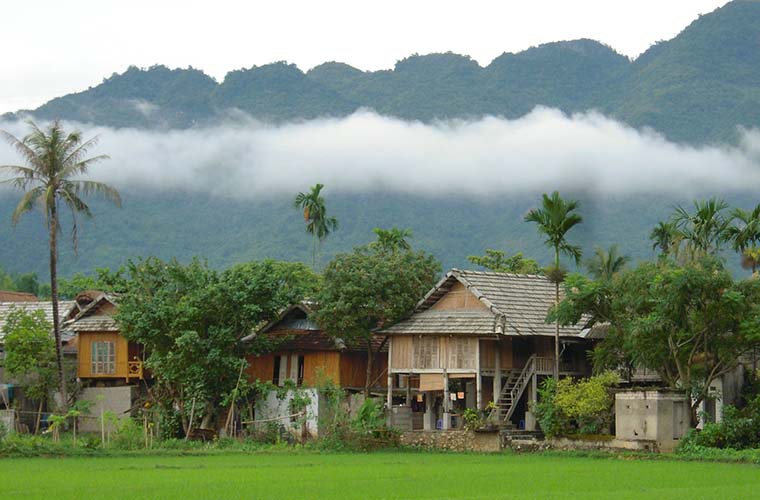
Culture: Home to Thai ethnic communities (especially White Thai), known for stilt houses, weaving, and warm hospitality.
-
Easy escape: Close enough to Hanoi for a weekend, but peaceful enough to feel far away.
-
Soft adventure: Cycling, light trekking, viewpoints, markets, and village life—without intense physical demands.
If your Vietnam trip includes Hanoi, Ninh Binh, or the Northwest, Mai Chau fits beautifully as a calm reset between busier destinations.
Best Time to Visit (Mai Chau Travel Guide)
Mai Chau is enjoyable year-round, but timing can change the look and feel of the valley.
Spring (February–April): Fresh and Comfortable
Spring brings mild weather and clear mornings—ideal for cycling and walking. Fields are bright green, and the valley feels crisp and fresh after winter.
Summer (May–August): Lush Green Landscapes
These months deliver the most intense greens, but also higher humidity and occasional heavy rain. If you don’t mind brief afternoon showers, summer can be stunning for photography.
Autumn (September–November): Golden Rice Season
This is one of the best windows to visit. Harvest season turns parts of the valley golden, and temperatures are pleasantly warm without feeling sticky.
Winter (December–January): Cool and Quiet
Winter is cooler, sometimes foggy, and very peaceful. Nights can be chilly, especially in stilt houses, but the quiet atmosphere is a big plus for slow travelers.
Use this Mai Chau Travel Guide to choose the best season for rice fields, cycling, and village walks. For a broad overview of Vietnam’s seasons and destinations, you can also check the official tourism portal: https://vietnam.travel/
How to Get to Mai Chau (From Hanoi)
Most travelers start from Hanoi, and the trip is straightforward.
By Bus or Shared Limousine
-
Depart from Hanoi (often from the Old Quarter area or bus stations)
-
Travel time: roughly 3.5–4.5 hours
-
Pros: Convenient and budget-friendly
-
Cons: Fixed schedule, limited scenic stops
By Private Car
-
Best for couples, families, or small groups
-
Pros: Flexible departure, photo stops, more comfort
-
Cons: Higher cost than shared transport
By Motorbike (Experienced Riders Only)
The drive includes mountain roads and changing weather conditions. It can be a rewarding ride, but it’s not ideal for beginners. If you choose this option, wear proper gear and avoid riding at night.
Arrival note: Mai Chau is a valley region, not just one town. Most travelers base themselves around Lác Village (Bản Lác) or nearby villages.
Where to Stay in Mai Chau
Accommodation is a big part of the Mai Chau experience. You can go traditional, comfortable, or a mix of both.
1) Traditional Stilt-House Homestays (Best for Cultural Feel)
Staying in a stilt house is classic Mai Chau. Rooms may be dorm-style or private, depending on the property. You’ll often find home-cooked meals, friendly hosts, and a relaxed village setting.
Best for: Culture lovers, budget travelers, friendly social vibe
Tip: Choose homestays that clearly outline privacy and bathroom arrangements.
2) Eco-Lodges and Boutique Retreats (Best for Comfort + Views)
If you want quiet mornings, mountain views, and a more polished experience, choose an eco-lodge or boutique property. These tend to sit a little outside the village core.
Best for: Couples, photographers, travelers who value comfort
3) Family Guesthouses (Simple and Practical)
A good middle ground—private rooms, local warmth, and easy access to cycling routes.
Top Things to Do (Mai Chau Travel Guide)
Mai Chau isn’t about rushing from attraction to attraction. The magic is in simple experiences done slowly.
1) Cycle Through Villages and Rice Fields
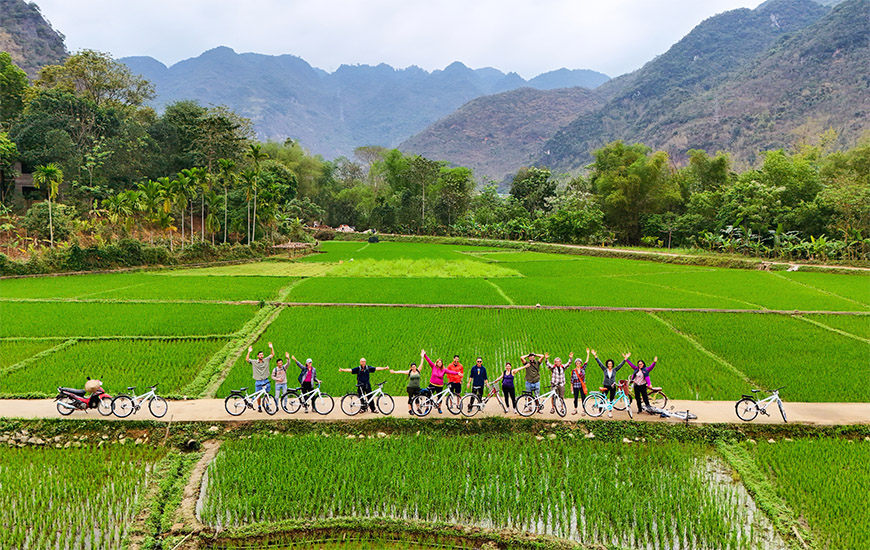
Cycling is the signature activity here. Most stays offer bike rentals, and the roads are mostly flat and scenic.
Suggested cycling loop ideas:
-
Lác Village → Pom Coong → fields and backroads
-
Extend to nearby villages if you want longer rides
-
Ride early in the morning for soft light and fewer people
2) Walk Through Bản Lác and Pom Coong (Village Life)
These villages are famous for stilt houses, weaving, and gentle village rhythms. It’s a great place to observe daily life—kids playing, elders weaving, farmers heading to the fields.
Responsible travel note: These are real communities. Dress respectfully, keep voices calm, and ask before photographing people.
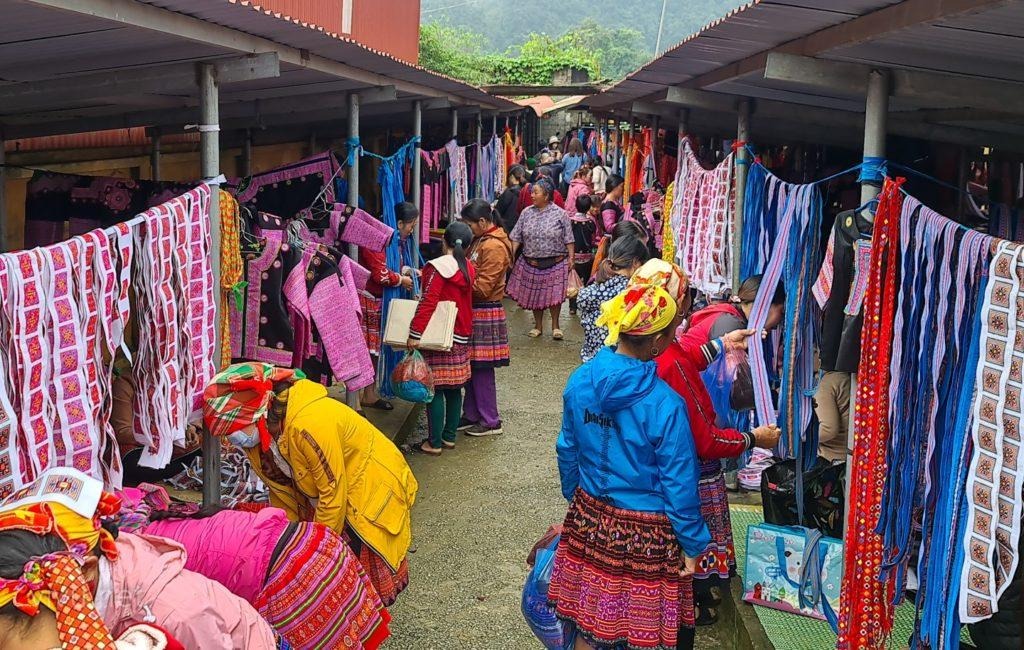
3) Visit Local Markets
If your schedule aligns, markets are one of the most authentic experiences in the region. You’ll see seasonal produce, local snacks, and handmade textiles.
Tip: Bring small cash and a reusable bag.
4) Short Trekking to Viewpoints
Mai Chau offers light treks rather than extreme hikes. A short uphill walk can reveal sweeping valley views—especially after rain when clouds hang low over the ridges.
Ask your host about:
-
Easy viewpoint walks
-
Longer village-to-village routes
-
Weather and trail conditions (important in rainy months)
5) Explore Nearby Pu Luong (If You Have Extra Time)
If you can extend your trip, combine Mai Chau with Pu Luong for more dramatic terraces and deeper rural landscapes. Many travelers do Mai Chau as a gentle introduction, then head onward.
6) Enjoy a Traditional Cultural Performance (Choose Thoughtfully)
Some homestays host evening performances with music and dance. It can be fun and meaningful if done respectfully and with genuine community involvement.
If you join, treat it as cultural appreciation rather than a “show”—and support local crafts directly if you buy textiles.
7) Take a Slow Afternoon: Coffee, Reading, and Valley Views
This sounds simple, but it’s honestly one of the best “activities” in Mai Chau. Sit on a balcony, watch the light change, and let your pace drop.
What to Eat in Mai Chau
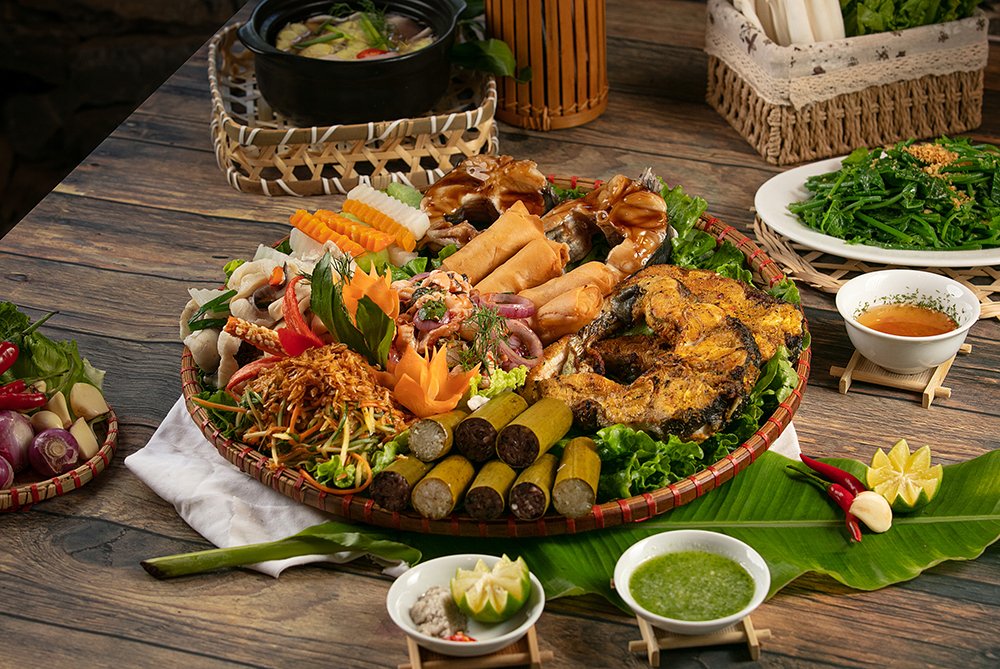
Food here is comforting, fresh, and often home-cooked.
Dishes to Try
-
Cơm lam (bamboo rice)
-
Grilled meats (often pork or chicken, seasoned simply)
-
Fresh vegetables from local gardens
-
Peanut and sesame snacks sold in small shops
-
Local-style soups depending on season and family recipes
If you have dietary needs (vegetarian, allergies), inform your host early—most places can adapt with notice.
Practical Travel Tips (For a Smooth Trip)
-
Cash: ATMs may be limited; carry enough for meals, bikes, and small purchases.
-
Connectivity: Mobile data usually works, but signals can drop in some pockets.
-
Packing: Bring insect repellent, a light rain jacket, and a warm layer for evenings.
-
Footwear: Comfortable sandals or sneakers for cycling and village walks.
-
Respect: Ask before photographing people inside homes; keep drones discreet and follow local rules.
-
Time needed: Mai Chau is best with 2 days / 1 night minimum; 3 days / 2 nights feels ideal.
Suggested Itineraries
2 Days / 1 Night (Classic Weekend Escape)
Day 1: Arrive → bike through villages → sunset viewpoint → dinner
Day 2: morning walk/market → relaxed brunch → return to Hanoi
3 Days / 2 Nights (Best Pace)
Day 1: Arrive + gentle cycling loop
Day 2: longer cycle/trek + cultural experience (optional)
Day 3: slow morning + photos + return
4 Days (Mai Chau + Nearby Nature)
Add Pu Luong or more trekking routes for a deeper countryside journey.
Responsible Travel in Mai Chau
Mai Chau’s charm comes from its communities. A few small choices make a big difference:
-
Buy textiles directly from local makers (and pay fair prices).
-
Reduce plastic: carry a refillable bottle if possible.
-
Choose accommodations that employ local staff and support the village economy.
-
Be mindful with photography—especially children.
Conclusion
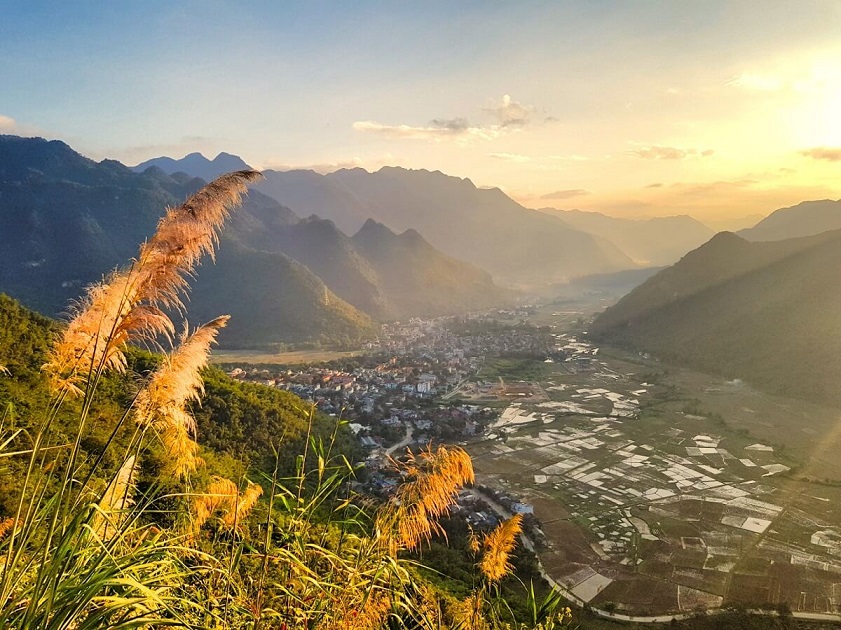
Mai Chau is the kind of place that wins you over quietly. This Mai Chau Travel Guide isn’t about ticking off famous landmarks—it’s about learning the rhythm of a valley: cycling past rice fields, sharing meals in a stilt house, watching the sky shift behind limestone peaks, and feeling Vietnam beyond the busy headlines.
If you’re building an itinerary through northern Vietnam, Mai Chau is a peaceful and memorable stop that brings balance to your journey—authentic, scenic, and wonderfully unhurried.
FAQ – Mai Chau Travel Guide
1) Is Mai Chau worth visiting?
Yes. Mai Chau is one of the best countryside escapes in northern Vietnam, known for peaceful rice fields, easy cycling routes, and authentic village culture.
2) How many days do I need in Mai Chau?
2 days / 1 night is enough for cycling and village walks, but 3 days / 2 nights is ideal if you want a slower pace and time for short treks or viewpoints.
3) What is the best time to visit Mai Chau?
The best months are February–April (comfortable spring weather) and September–November (cooler air and golden rice season).
4) Can I visit Mai Chau as a day trip from Hanoi?
It’s possible, but not recommended. An overnight stay lets you enjoy quiet mornings, better cycling conditions, and a more authentic village atmosphere.
5) Is Mai Chau suitable for families?
Yes. Mai Chau is calm and family-friendly, with gentle activities like cycling, short walks, and cultural experiences that suit many ages.
6) Do I need a guide in Mai Chau?
Not for simple cycling loops and village walks. For trekking routes or deeper cultural experiences, a local guide can be helpful for navigation and local insight.
7) Where should I stay in Mai Chau?
Many travelers stay near Bản Lác or nearby villages. A traditional stilt-house homestay is great for cultural immersion, while eco-lodges offer more privacy and comfort.
8) What should I pack for Mai Chau?
Bring comfortable shoes, light layers for cooler evenings, insect repellent, a rain jacket in wet months, and cash for small purchases in villages and markets.