










Welcome to the ultimate Sapa Travel Guide, your complete resource for planning a trip to one of Vietnam’s most breathtaking mountain destinations. Located in Lao Cai Province in northern Vietnam, Sapa is famous for its terraced rice fields, ethnic minority cultures, cool mountain climate, and the iconic Fansipan Peak — also known as “The Roof of Indochina.”

Whether you’re here for trekking, photography, nature, or cultural immersion, this guide will walk you through everything you need to know for a memorable journey.
Before you go, you may also want to read our Travel Guide to Vietnam’s Northwest for a wider overview of the region.
Best Time to Visit Sapa – Sapa Travel Guide
Sapa is a year-round destination, but each season offers unique experiences.
Spring (March–May)
-
Mild temperatures
-
Blooming flowers & clear skies
-
Ideal for trekking
Summer (June–August)
-
Lush green rice terraces
-
Beautiful misty mornings
-
Occasional rain but still scenic
Autumn (September–November) – BEST TIME
-
Golden rice harvest season
-
Crisp, dry weather
-
Stunning photography opportunities

Winter (December–February)
-
Cold, foggy atmosphere
-
Snow may appear on Fansipan
-
Cozy and peaceful
For the most iconic landscapes, visit during September or early October.
How to Get to Sapa
Sapa does not have an airport, but it’s easy to reach from Hanoi.
By Overnight Train (Hanoi → Lao Cai → Sapa)
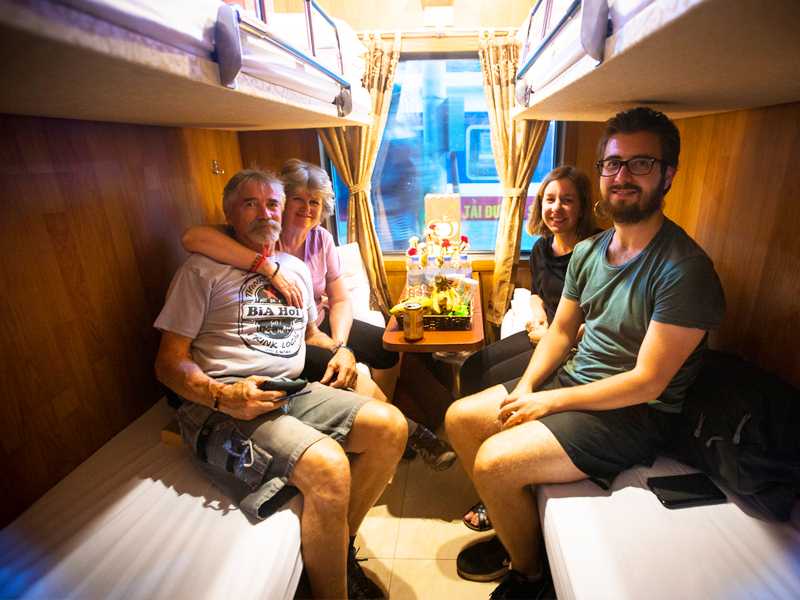
-
7–8 hours
-
Comfortable cabins
-
Scenic and safe
-
1-hour drive from Lao Cai to Sapa
By Sleeper Bus
-
6–7 hours
-
Direct to Sapa Town
-
Affordable and convenient
By Private Car or Limousine
-
5–6 hours from Hanoi
-
Most comfortable option
-
Flexible departure
Where to Stay in Sapa
Stay in Sapa Town
Perfect if you want convenience, restaurants, and easy access to attractions.
Recommended hotels:
-
Hotel de la Coupole – MGallery
-
Pistachio Hotel
-
BB Sapa Resort
Stay in Ethnic Villages (Homestays)
Ideal for cultural immersion and scenic views.
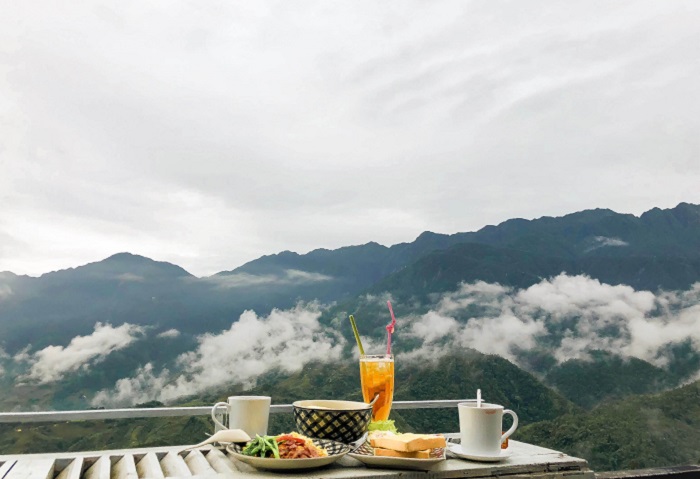
Best villages for homestays:
-
Ta Van (Giay people)
-
Lao Chai (Black Hmong)
-
Y Linh Ho
-
Cat Cat Village
Homestays are also perfect starting points for multi-day treks.
Top Things to Do in Sapa – Complete Sapa Travel Guide
1. Trekking Through Terraced Rice Fields
The number one thing to do in Sapa.
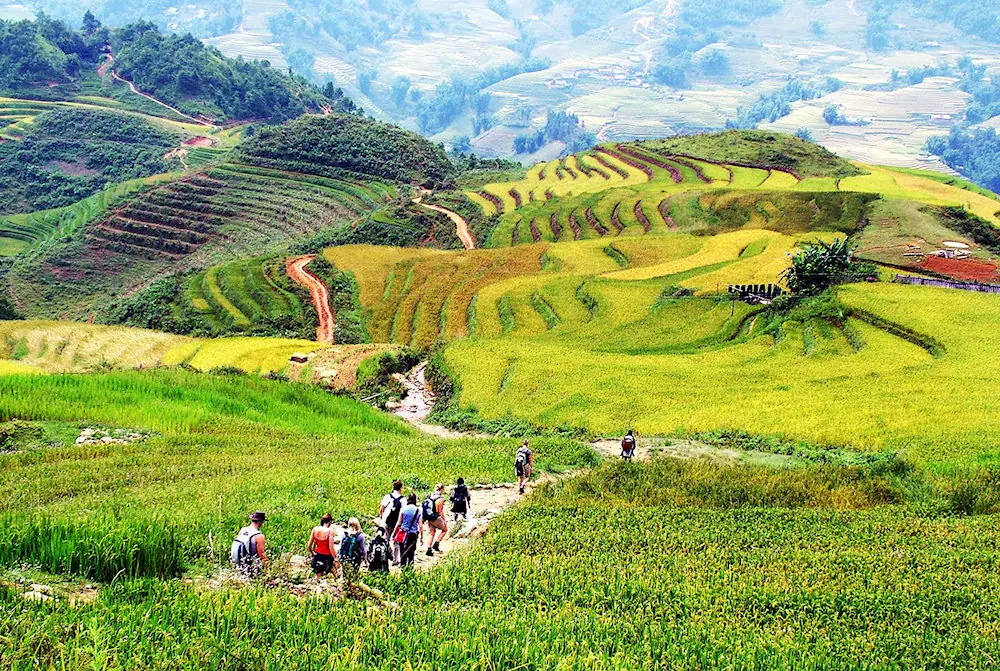
Popular routes:
-
Cat Cat Village (easy)
-
Lao Chai → Ta Van (moderate)
-
Y Linh Ho → Giang Ta Chai (challenging)
Trekking with a local guide enhances the cultural experience and supports local communities.
2. Visit Cat Cat Village
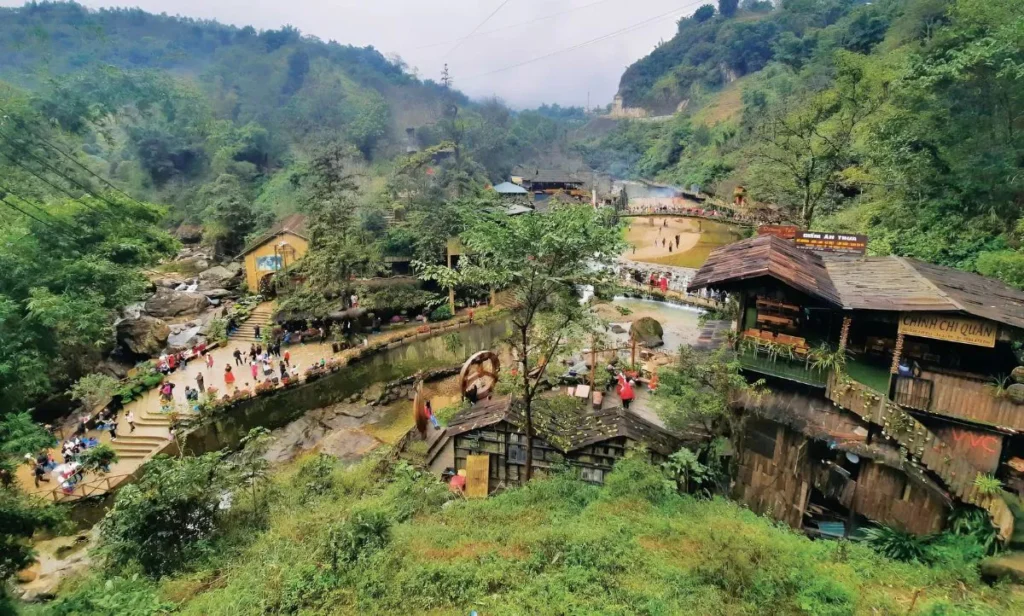
A traditional Hmong village located only a short walk from Sapa Town.
Expect waterfalls, craft shops, local textiles, and picturesque scenery.
3. Fansipan Mountain – The Roof of Indochina
At 3,147 meters, Fansipan is Vietnam’s highest peak.
Ways to reach the top:
-
Cable car – fast and scenic
-
Trekking – 2–3 days for experienced hikers
You can check updated ticket prices and schedules on the official site: https://sunworld.vn/en/fansipan-legend
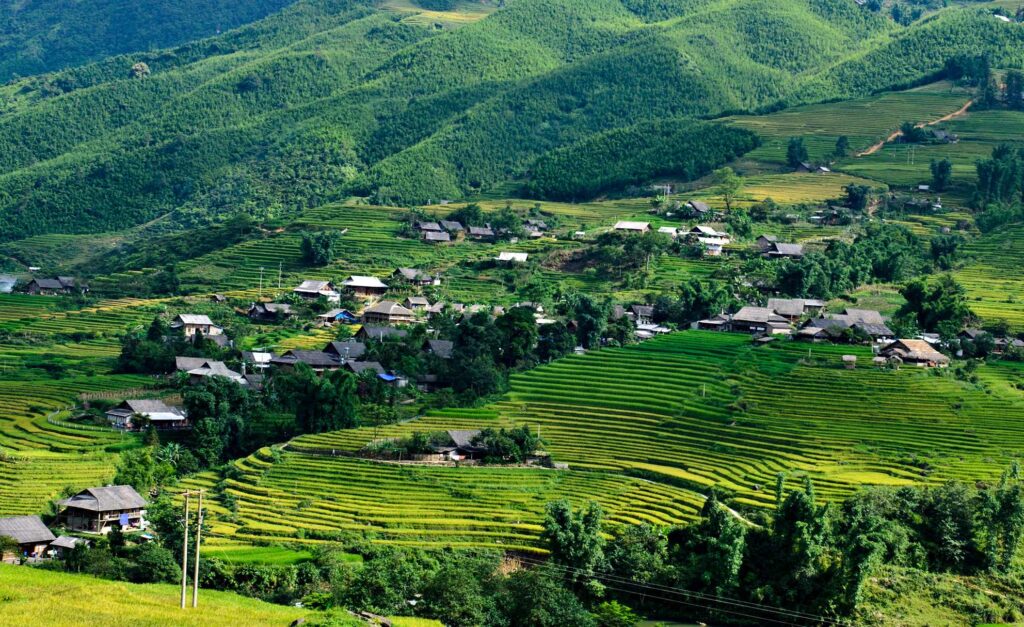
4. Explore Lao chai Village
A peaceful village in Muong Hoa Valley known for its friendly Giay community, terraced fields, and photogenic scenery.
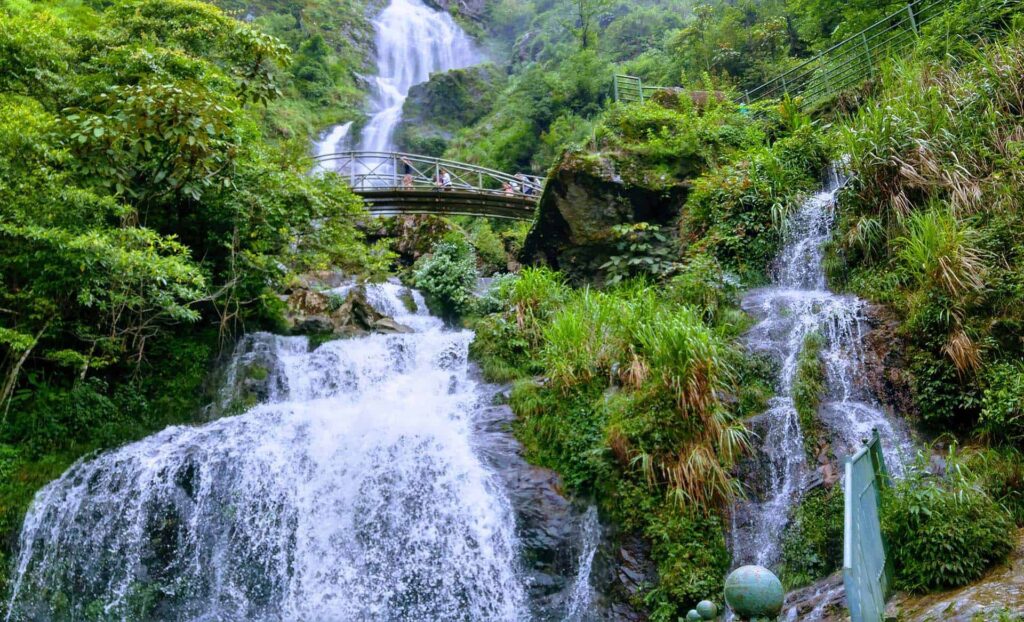
5. Silver Waterfall & Love Waterfall
Two scenic waterfalls located on the way to the Fansipan cable car station.
-
Silver Waterfall: powerful and impressive
-
Love Waterfall: lush, romantic, great for photos
6. Sapa Market
A vibrant local market where ethnic groups sell local produce, herbs, textiles, and handicrafts. Great place for souvenirs.
Food to Try in Sapa
Some must-try dishes include:
-
Salmon hotpot
-
Black chicken (gà đen)
-
Sapa BBQ
-
Five-spiced pork
-
Thang Co (traditional dish)
The cool mountain climate makes all warm dishes extra comforting.
Suggested Sapa Itineraries – Sapa Travel Guide
2-Day Itinerary
Day 1: Hanoi → Sapa → Cat Cat Village
Day 2: Fansipan cable car → Explore town → Return to Hanoi
3-Day Itinerary
Day 1: Trek to Lao Chai Village
Day 2: Trek to Ta Van → Overnight homestay
Day 3: Fansipan → Back to Hanoi
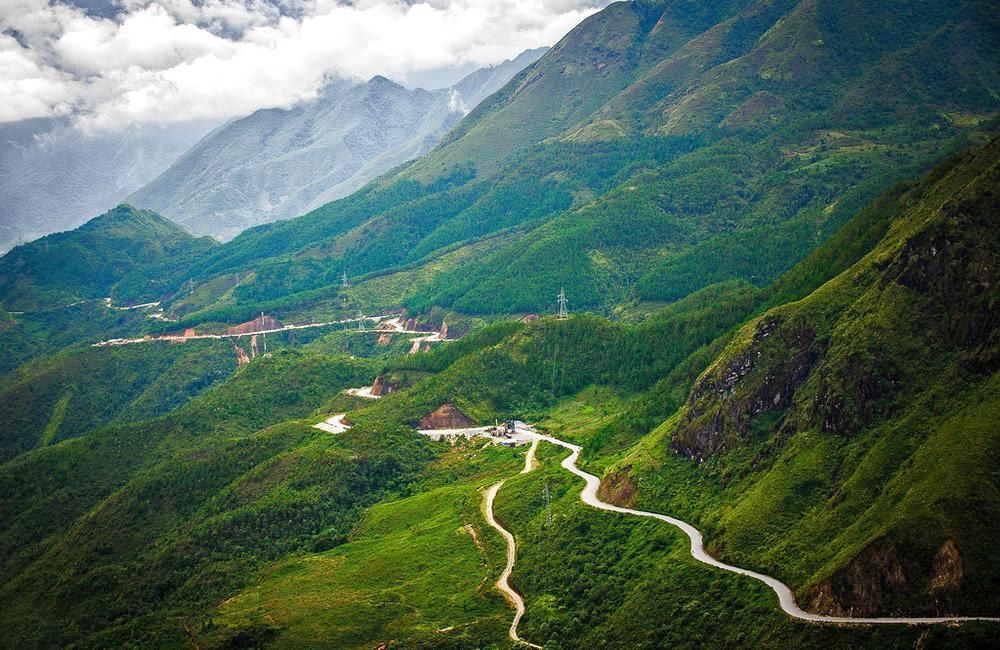
4-Day Itinerary
Ideal for those who want to explore more:
-
O Quy Ho Pass
-
Longer treks
-
Waterfalls
-
Photography tours
Packing Tips for Sapa
-
Comfortable trekking shoes
-
Jacket (light or warm, depending on season)
-
Raincoat
-
Sunscreen & hat
-
Camera or drone
-
Cash for village shops
Weather changes quickly, so layers are essential.
Travel Tips for Sapa
-
Book Fansipan cable car early on weekends
-
Avoid trekking during heavy rain
-
Stay in at least one homestay
-
Hire local guides for long treks
-
Bring cash (many shops don’t take cards)
FAQ – Sapa Travel Guide
1. Is Sapa worth visiting?
Absolutely. Sapa offers stunning scenery, cultural diversity, trekking, and cool mountain air — perfect for nature lovers and photographers.
2. How many days do I need in Sapa?
Most travelers spend 2–3 days, but 4 days is ideal for trekking and exploring villages.
3. What is the best month to visit Sapa?
The best months are September–November, during the golden rice harvest season.
4. Do I need a guide for trekking?
Short treks can be self-guided, but longer treks are best with a local guide for safety and cultural insights.
5. Is Sapa cold?
Winter can be very cold, especially from December to February. Bring warm layers.
Conclusion
This Sapa Travel Guide is designed to help you plan every part of your trip — from the best time to visit and how to get there to the top things to do and trekking routes. With terraced rice fields, mountain views, rich ethnic cultures, and fresh air, Sapa delivers an unforgettable experience for every traveler.
Whether you’re seeking adventure, photography, or cultural immersion, Sapa is one of Vietnam’s most magical destinations — and it’s waiting for you.