








A Vietnam homestay experience offers something that even the most beautiful hotel cannot always provide: a closer look at everyday life, local traditions, and the people who call Vietnam home.
Imagine waking up to the sound of roosters in a mountain village, sharing a home-cooked breakfast with your hosts, or watching the evening settle over rice fields from a wooden balcony.
For travelers who want to experience Vietnam beyond its famous attractions, staying with a local family can become one of the most meaningful parts of the journey.
But what is a homestay in Vietnam really like? Will you have a private bathroom? Do you need to speak Vietnamese? And what should you know about local customs before arriving?
This guide explains what to expect, where to find memorable homestays, and how to choose an experience that suits your travel style.
What Is a Vietnam Homestay Experience?
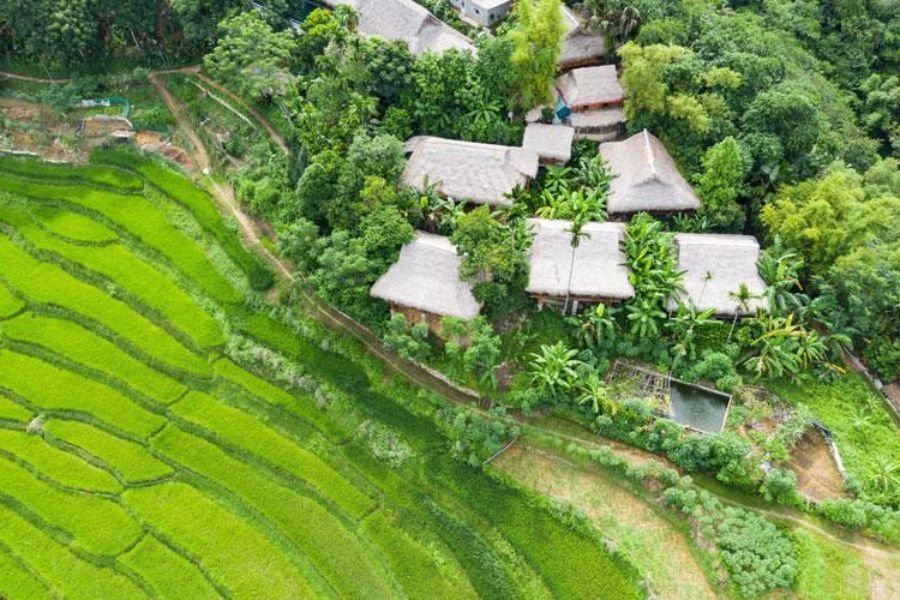
A homestay is accommodation offered in a local home or a property operated by local hosts. Traditionally, it involves staying with a family and sharing aspects of their daily life.
However, the meaning of homestay has become broader in Vietnam.
Some properties offer a genuine family-home experience, with shared meals and opportunities to interact with your hosts. Others operate more like small guesthouses, with private rooms, modern bathrooms, and limited contact with the family.
Neither option is necessarily better. They simply provide different experiences.
The most important thing is understanding what you’re booking.
If cultural exchange is your priority, look for a family-run property that offers shared meals, village activities, or opportunities to learn about local traditions.
If you prefer privacy and comfort, a modern homestay with private facilities may be a better fit.
What to Expect When Staying with a Local Family in Vietnam
Every homestay is different, but there are several experiences you may encounter, particularly in rural communities.
1. A Warm Welcome and a Different Pace of Life
Arriving at a family-run homestay often feels different from checking into a hotel.
Instead of a formal reception desk, you might be welcomed by the owner, offered tea, and shown around the property.
In smaller villages, family members may be busy preparing meals, tending gardens, or looking after children.
You may find that daily life starts earlier than you’re used to.
Roosters, farm animals, and neighborhood activity are common sounds in rural areas. For some travelers, these details become part of the charm. Others may prefer to bring earplugs.
A homestay experience is often less about organized entertainment and more about appreciating the rhythm of everyday life.
2. Home-Cooked Vietnamese Meals
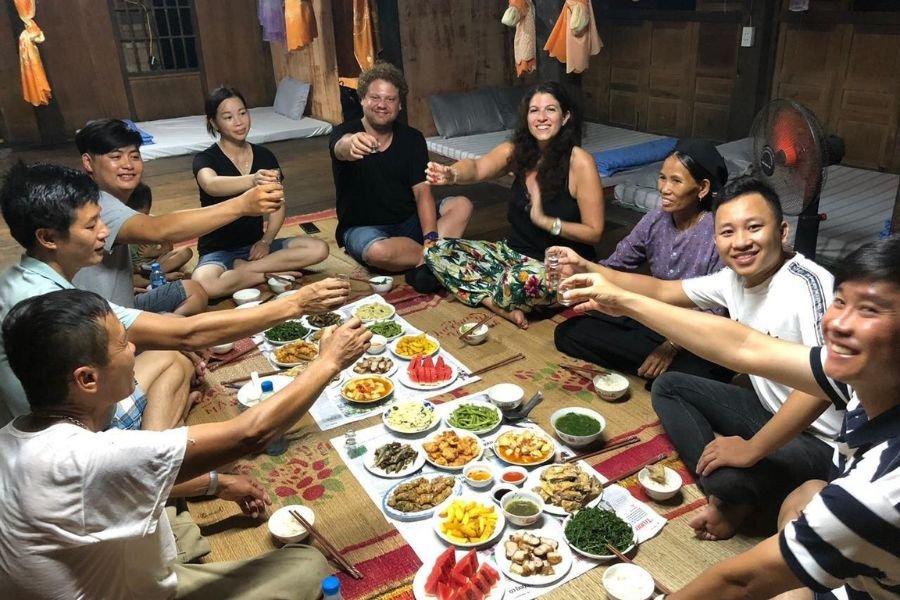
Food is frequently one of the highlights of staying with a local family.
Depending on the destination, dinner might include steamed rice, seasonal vegetables, tofu, chicken, fish, or regional specialties.
In northern mountain communities, meals may feature locally grown ingredients and dishes that differ from those served in Hanoi or Ho Chi Minh City.
Some families invite guests to eat together around a shared table. Others prepare meals separately for visitors.
Don’t assume that every homestay includes dinner or breakfast. Check what’s included when booking.
If you have allergies, dietary restrictions, or food preferences, inform your host in advance.
Travel tip: If your host offers a local dish you’ve never tried, asking about the ingredients is a wonderful way to start a conversation.
3. Simple but Comfortable Accommodation
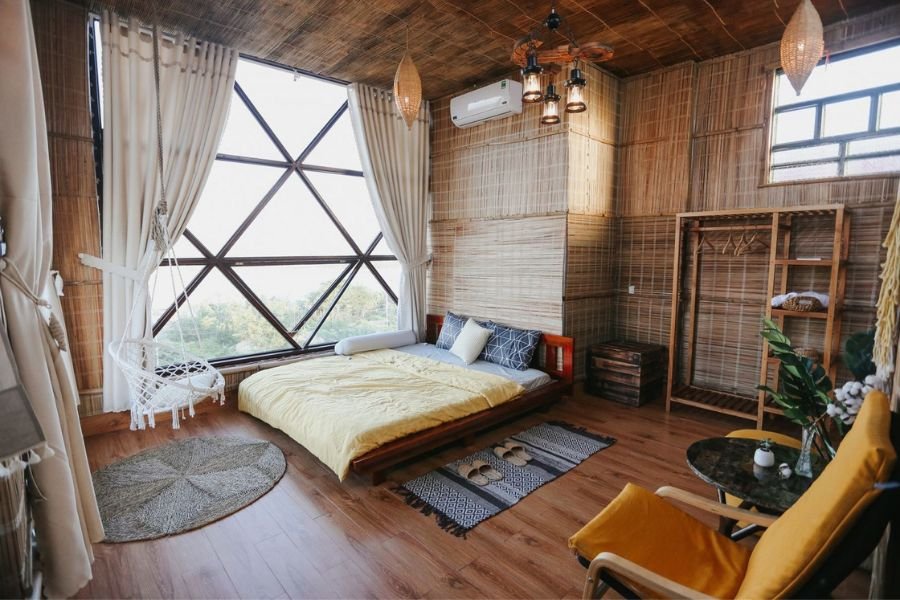
One of the most common questions about a Vietnam homestay experience is whether the accommodation will be comfortable.
The answer depends on the property.
Traditional homestays may feature wooden houses, shared sleeping areas, mosquito nets, and communal bathrooms.
More modern properties offer private bedrooms, air conditioning, hot showers, and Western-style toilets.
In mountainous regions, temperatures can drop significantly at night, particularly during winter.
Before booking, check whether the room has suitable bedding, heating arrangements, and hot water.
It’s also worth confirming whether the bathroom is private or shared.
A beautiful photograph of a traditional house doesn’t necessarily tell you everything about the facilities.
4. Opportunities to Learn About Local Traditions
Vietnam is home to 54 officially recognized ethnic groups, each with its own cultural heritage.
In destinations such as Ha Giang and Sapa, travelers may stay in communities belonging to ethnic groups including the Hmong, Dao, Tay, and Giay.
Depending on the family and location, your visit might include learning about traditional cooking, local crafts, farming practices, or village life.
However, cultural activities aren’t automatically included in every homestay.
Some families simply provide accommodation and meals, while others organize guided experiences.
Approach these opportunities with curiosity and respect rather than expecting hosts to perform traditions for visitors.
The most rewarding cultural exchanges are often the simplest: a conversation over tea, helping prepare dinner when invited, or learning a few words in a local language.
5. A Chance to Slow Down
One of the biggest differences between a homestay and a conventional hotel is the pace.
You may spend an afternoon walking through a village, sitting beside a rice field, or watching your hosts prepare dinner.
There may be fewer scheduled activities and less nightlife.
For travelers accustomed to busy itineraries, this can take some adjustment.
Yet these quiet moments often become the memories that stay with you long after the trip.
Best Places for a Vietnam Homestay Experience
Vietnam offers homestays in mountain villages, farming communities, coastal areas, and river regions.
The best destination depends on the type of experience you’re looking for.
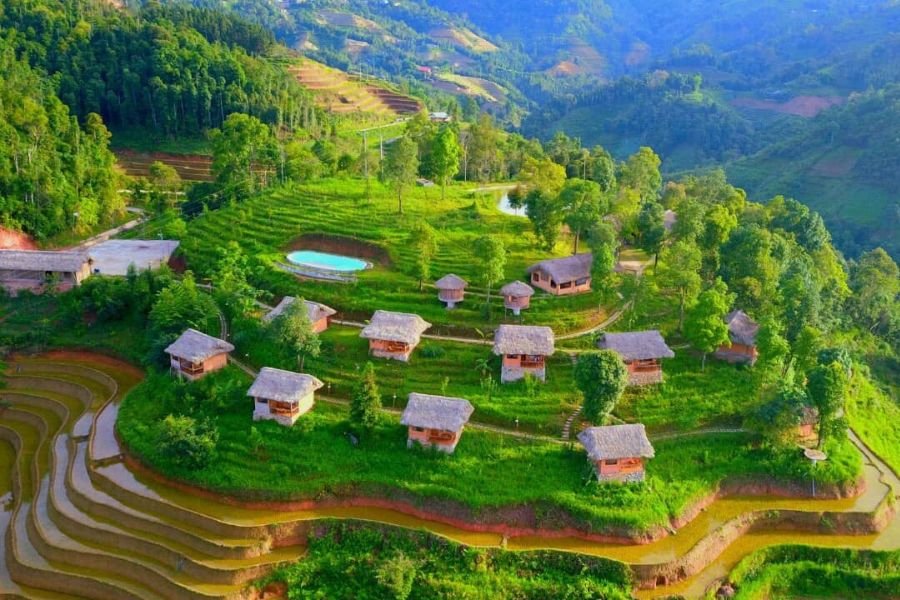
1. Ha Giang – Mountain Villages and Ethnic Cultures
Ha Giang is one of northern Vietnam’s most remarkable regions, known for dramatic mountain passes, winding roads, and diverse ethnic communities.
A homestay here can offer a memorable contrast to the busy streets of Hanoi.
In areas such as Du Gia, travelers can find family-run accommodation surrounded by mountains, streams, and rural landscapes.
Depending on the property, you may enjoy a home-cooked dinner, learn about local customs, or spend the evening talking with fellow travelers and hosts.
Ha Giang is particularly appealing to adventurous travelers who want to combine spectacular scenery with local experiences.
For more ideas about exploring northern Vietnam, read our Travel Guide to Vietnam’s Northwest.
2. Sapa – Rice Terraces and Village Life
Sapa is famous for its terraced rice fields, mountain scenery, and ethnic minority communities.
While Sapa town offers a wide range of hotels, nearby villages provide opportunities for a more rural stay.
Areas around Ta Van and the Muong Hoa Valley are popular with travelers looking for homestays.
Some properties are family homes, while others are purpose-built guesthouses with panoramic views.
Activities may include guided village walks, learning about local textiles, and enjoying meals prepared with regional ingredients.
If you’re hoping to experience village life, choose accommodation outside the busiest part of Sapa town.
3. Pu Luong – Peaceful Countryside and Traditional Houses
Pu Luong Nature Reserve in Thanh Hoa Province is a beautiful destination for travelers seeking a quieter rural escape.
The landscape features terraced fields, forested hills, small villages, and traditional stilt houses.
Homestays in the area range from simple family accommodation to comfortable eco-style retreats.
Depending on the location, visitors can enjoy village walks, cycling, and views over the surrounding countryside.
Pu Luong is a good option for travelers who want nature and relaxation without the intensity of a long mountain road journey.
4. Hoi An – Countryside Living Near the Ancient Town
Hoi An is best known for its lantern-lit streets and historic architecture, but its surrounding countryside offers a different experience.
In villages around Cam Thanh, Cam Chau, and other rural areas, travelers can find family-run homestays close to rice fields, gardens, and quiet lanes.
Staying outside the Ancient Town gives you the opportunity to explore local markets, cycle through the countryside, and experience a slower side of central Vietnam.
Many properties offer private rooms and modern facilities, making Hoi An a comfortable introduction to homestay travel.
You can explore more activities and accommodation ideas in our Hoi An Travel Guide.
5. Mekong Delta – Riverside Life and Local Hospitality
The Mekong Delta offers a completely different homestay experience.
Instead of mountain scenery, you’ll find rivers, canals, fruit orchards, and villages connected by waterways.
Family-run properties around destinations such as Ben Tre, Can Tho, and Vinh Long may offer garden settings, home-cooked meals, and opportunities to explore the surrounding countryside.
Depending on your stay, activities might include cycling, visiting local workshops, or taking a boat trip along smaller waterways.
The Mekong Delta is particularly suitable for travelers interested in food, agriculture, and everyday life in southern Vietnam.
Vietnam Homestay vs Hotel: Which Should You Choose?
Both options have advantages.
A hotel generally provides more standardized services, while a homestay can offer a more personal connection to the destination.
| Feature | Homestay | Hotel |
|---|---|---|
| Atmosphere | Often personal and informal | Usually more structured |
| Accommodation | From basic rooms to modern private suites | Generally more standardized |
| Local interaction | Potentially more opportunities | Depends on the property |
| Meals | May include home-cooked food | Restaurant or breakfast service |
| Privacy | Varies considerably | Usually more predictable |
| Facilities | Depend on the property | Often more extensive |
| Best for | Cultural experiences and slower travel | Convenience and consistent comfort |
You don’t have to choose one for your entire trip.
Many travelers enjoy combining comfortable hotels in major cities with one or two nights in a rural homestay.
This balance allows you to experience local life without sacrificing the conveniences you value most.
How Much Does a Homestay in Vietnam Cost?
Homestay prices vary depending on the destination, season, room type, and included services.
As a broad planning guide, basic rural homestays may cost around USD 10–25 per person per night, while comfortable private rooms in established properties may range from approximately USD 25–70 or more per room.
Higher-end lodges marketed as homestays can cost considerably more.
These are indicative ranges rather than verified live rates.
When comparing prices, check whether the rate includes breakfast, dinner, transportation, guided activities, or local entrance fees.
A slightly more expensive property may offer better overall value if meals and experiences are included.
Cultural Etiquette: How to Be a Respectful Homestay Guest
Staying with a local family offers opportunities for cultural exchange, but it also comes with responsibilities.
Ask Before Taking Photos
Always ask permission before photographing your hosts, children, or private areas of the home.
Not everyone wants their daily life shared online.
This is especially important in small communities where travelers may be unfamiliar with local customs.
Respect Household Rules
Some homes have specific expectations about footwear, shared spaces, meal times, or where guests should sit.
Your host will usually explain anything important.
If you’re unsure, asking politely is better than making assumptions.
Dress Appropriately
Comfortable, modest clothing is generally a practical choice in rural communities.
Local expectations vary, so observe your surroundings and follow your host’s guidance.
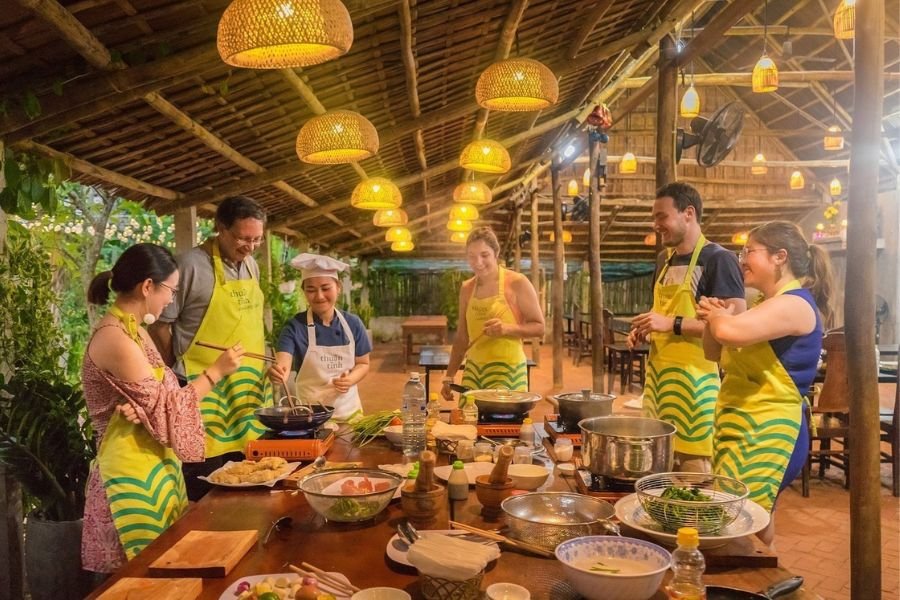
Be Considerate During Meals
Meals may be served communally, with several dishes placed in the center of the table.
Wait for your host’s guidance if you’re unfamiliar with the dining arrangements.
If you cannot eat something, a polite explanation is perfectly reasonable.
Learn a Few Vietnamese Words
Even simple phrases can help create a friendly atmosphere.
- Xin chào – Hello
- Cảm ơn – Thank you
- Ngon quá – Very delicious
- Tạm biệt – Goodbye
Pronunciation may take practice, and some hosts speak a local ethnic language as their first language.
Still, making an effort is usually appreciated.
Respect Privacy and Personal Space
Remember that a homestay may also be someone’s family home.
Avoid entering private rooms or treating household spaces as tourist attractions without permission.
A respectful attitude makes the experience more comfortable for everyone.
What Should You Check Before Booking a Vietnam Homestay?
A memorable stay starts with choosing the right property.
Before confirming your booking, consider the following questions:
Is it a genuine family-run homestay or a guesthouse?
Both can be enjoyable, but the level of interaction may be different.
Will you have a private room and bathroom?
Don’t assume that all homestays offer the same facilities.
Are meals included?
Some properties include breakfast and dinner, while others charge separately.
Can the host accommodate dietary requirements?
Inform the property about allergies or restrictions before arrival.
How accessible is the location?
Remote villages may require a long drive, a walk along uneven paths, or transportation arranged in advance.
Is there reliable Wi-Fi and mobile coverage?
Internet access can be limited in some rural areas.
What is the cancellation policy?
This is particularly important during periods of heavy rain or when traveling through mountainous regions.
Reading recent guest reviews and checking current property photographs can also help you understand what to expect.
Is a Vietnam Homestay Experience Suitable for Everyone?
Homestays can be wonderful for couples, solo travelers, friends, and families, but the right property matters.
For families with young children, look for private bathrooms, suitable sleeping arrangements, and safe access to the property.
For older travelers or visitors with limited mobility, ask about stairs, steep pathways, and bathroom accessibility.
If you value quiet surroundings, remember that village life may begin early and include sounds from animals or nearby households.
Travelers who require reliable air conditioning, high-speed internet, or extensive hotel services should verify these facilities before booking.
The goal isn’t to find the most rustic accommodation possible.
It’s to choose a place where you can comfortably enjoy the experience.
How Many Nights Should You Spend at a Homestay?
For most first-time visitors, one or two nights is a good introduction.
A single night gives you time to enjoy dinner, experience the evening atmosphere, and wake up to local village life.
Two nights allow a more relaxed pace, with opportunities for walking, cooking, or exploring nearby attractions.
If you’re planning a longer Vietnam holiday, consider including a homestay between city stays.
For example, you could spend a few days in Hanoi before heading to a mountain village, then continue to other destinations.
Our Vietnam 2-Week Itinerary offers ideas for building a balanced route that combines cities, natural landscapes, and local experiences.
Frequently Asked Questions About Vietnam Homestays
Are homestays in Vietnam safe?
Many homestays provide safe and welcoming accommodation. However, standards vary, so choose well-reviewed properties, confirm the facilities, and arrange reliable transportation.
Do I need to speak Vietnamese to stay in a homestay?
Not necessarily. Some hosts speak English, while others communicate through translation apps, gestures, or local guides. Basic Vietnamese phrases can make interactions more enjoyable.
Do Vietnamese homestays have private bathrooms?
Some do, while others have shared facilities. Always check the room description and recent guest reviews before booking.
Can vegetarians stay in Vietnamese homestays?
Yes, many hosts can prepare vegetarian meals with advance notice. However, you should explain your requirements clearly, particularly if you avoid fish sauce or meat-based broth.
Are homestays suitable for couples?
Yes. Many properties offer private double rooms, although traditional family homes may have more basic sleeping arrangements. Confirm the room type before booking.
What is the difference between a homestay and an eco-lodge?
A homestay generally emphasizes locally hosted accommodation, while an eco-lodge is usually a dedicated hospitality property focused on nature-oriented stays. In practice, these labels are used inconsistently, so it’s best to evaluate each property individually.
Should I bring a gift for my host family?
A gift is not generally required. If you’d like to show appreciation, a sincere thank-you, respectful behavior, or a positive review can be meaningful. Avoid giving sweets or money directly to children.
Final Thoughts: Is a Vietnam Homestay Experience Worth It?
A Vietnam homestay experience can be one of the most rewarding ways to discover the country beyond its famous landmarks.
It’s an opportunity to share meals, learn about different ways of life, and spend time in places where daily routines continue beyond the tourist trail.
Not every homestay involves staying in a traditional wooden house or joining a family for dinner. Experiences range from simple rural accommodation to comfortable locally run guesthouses.
What matters most is choosing a stay that matches your expectations and approaching your hosts with genuine curiosity and respect.
Whether you’re exploring the mountains of Ha Giang, walking through Sapa’s rice terraces, or discovering riverside life in the Mekong Delta, a thoughtfully chosen homestay can add a memorable dimension to your journey.
Discover Authentic Vietnam with Maverick Journeys
At Maverick Journeys, we believe the most memorable journeys go beyond sightseeing.
From mountain villages and countryside escapes to local food and cultural experiences, we help travelers discover different sides of Vietnam through personalized itineraries.
Looking for an authentic Vietnam homestay experience? Contact Maverick Journeys to plan a journey that brings you closer to local life.