










Is November a good time to visit Vietnam? For many travelers, absolutely. Cooler days in the north, dramatic mountain scenery, and improving beach conditions in the south make November an appealing month to explore the country.
But there is one important detail: Vietnam in November offers very different experiences depending on where you go.
While Hanoi is settling into its pleasant late-autumn weather, the mountains of Ha Giang are attracting visitors with buckwheat flowers. Further south, Phu Quoc is moving into a more favorable season for beach holidays. Meanwhile, parts of Central Vietnam can still experience heavy rain and flooding.
Choosing the right destinations matters more than simply choosing the right month.
This guide covers Vietnam’s November weather by region, seven places worth considering, what to pack, and practical advice for planning a trip that matches your travel style.
Is November a Good Time to Visit Vietnam?
November is an excellent option if you enjoy comfortable sightseeing temperatures, mountain landscapes, cultural experiences, and a combination of cities and nature.
It is particularly attractive for travelers who want to explore Northern Vietnam without the intense summer heat.
However, November is not equally suitable for every destination. Weather patterns vary considerably between the north, central coast, Central Highlands, and south.
Here’s a quick overview:
| Region | Typical November Conditions | Travel Outlook |
|---|---|---|
| Northern Vietnam | Cooler temperatures, generally less rain | Great for sightseeing and mountain adventures |
| Central Vietnam | Rainy conditions, possible storms and flooding | Plan cautiously and stay flexible |
| Central Highlands | Cooler weather, improving conditions after the rainy season | Good for nature and countryside escapes |
| Southern Vietnam | Warm weather with occasional rain | Suitable for city exploration and river experiences |
| Phu Quoc Island | Transition toward drier, sunnier weather | Increasingly attractive for beach holidays |
For most first-time visitors, combining Northern Vietnam with selected southern destinations is a sensible way to enjoy the season.
If you’re still deciding where to go, explore our guide to the best places to visit in Vietnam for more destination inspiration.
Vietnam Weather in November: North, Central and South
Northern Vietnam: Cool Days and Mountain Adventures
November brings a noticeable change to Northern Vietnam.
In Hanoi, the humid summer weather has largely given way to cooler days. Walking around Hoan Kiem Lake, exploring the Old Quarter, and spending time in outdoor cafés become more comfortable.
In mountain destinations such as Sapa and Ha Giang, temperatures can be significantly lower, especially after sunset.
You may experience clear mountain views, cool mornings, or mist drifting through valleys. Weather can still change quickly at higher elevations, so warm layers are essential.
Best for: City walks, trekking, mountain photography, local markets, and cultural exploration.
Central Vietnam: Beautiful Destinations, but Unpredictable Weather
November is part of the late rainy season in much of Central Vietnam.
Destinations such as Hue, Da Nang, and Hoi An remain culturally fascinating, but heavy rainfall, storms, and occasional flooding can disrupt travel plans.
A sunny morning does not necessarily guarantee a dry afternoon, and conditions can vary significantly from week to week.
If Central Vietnam is important to your itinerary, consider flexible accommodation arrangements and avoid scheduling too many weather-dependent activities.
Historic sites, local food experiences, and indoor cultural activities can be worthwhile when conditions are safe.
Best for: Flexible travelers interested in history, architecture, and local culture.
Travel tip: Check official weather warnings and transport updates before visiting flood-prone areas. Never enter flooded streets or waterways.
Southern Vietnam: Tropical Warmth and Improving Conditions
Southern Vietnam remains warm throughout November.
Ho Chi Minh City and the Mekong Delta may still experience occasional showers, particularly earlier in the month, as the region approaches the end of its wet season.
Rain often comes in bursts rather than lasting throughout the entire day, although heavier weather is possible.
This makes November a reasonable time to enjoy city attractions, cafés, food tours, and river-based experiences with some flexibility.
Phu Quoc follows a somewhat different pattern, with November generally offering improving conditions for beaches and island activities.
Best for: City breaks, local food, river experiences, and tropical escapes.
7 Best Places to Visit in Vietnam in November
The best destinations depend on whether you prefer adventure, culture, relaxation, or a mixture of experiences.
These seven places offer a range of options across Vietnam.
1. Ha Giang – Buckwheat Flowers and Spectacular Mountain Roads
Best for: Adventure, photography, and cultural experiences
Ha Giang is one of Northern Vietnam’s most memorable destinations in November.
The region is famous for dramatic limestone mountains, winding passes, remote villages, and breathtaking views over the Nho Que River.
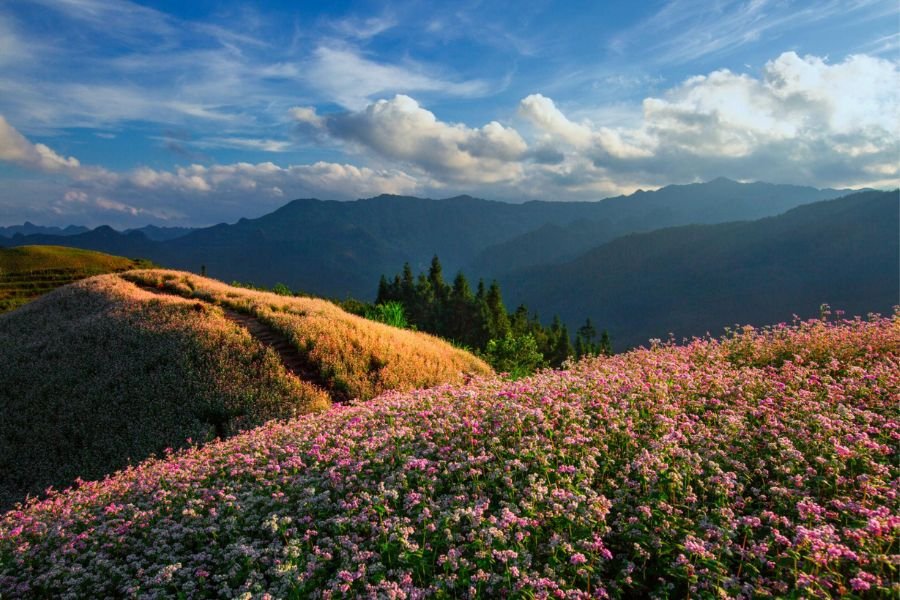
November is also associated with buckwheat flower season, when delicate pink and white blossoms add another layer of beauty to the rocky highland landscape.
Popular areas to explore include Dong Van, Meo Vac, and the Ma Pi Leng Pass.
Beyond the scenery, Ha Giang offers opportunities to learn about the traditions of local ethnic communities through markets, village visits, and locally operated homestays.
How long to stay: Around 3–4 days for a typical loop itinerary.
Travel tip: Mountain roads can be steep and challenging. Travelers without appropriate riding experience or valid licensing should consider a reputable driver-guided tour rather than riding independently.
Flower conditions vary with the weather, so check recent local updates before planning a trip specifically around the blooms.
2. Hanoi – Enjoy the Last Days of Autumn
Best for: Culture, food, history, and city exploration
Hanoi is especially enjoyable when the weather turns cooler.
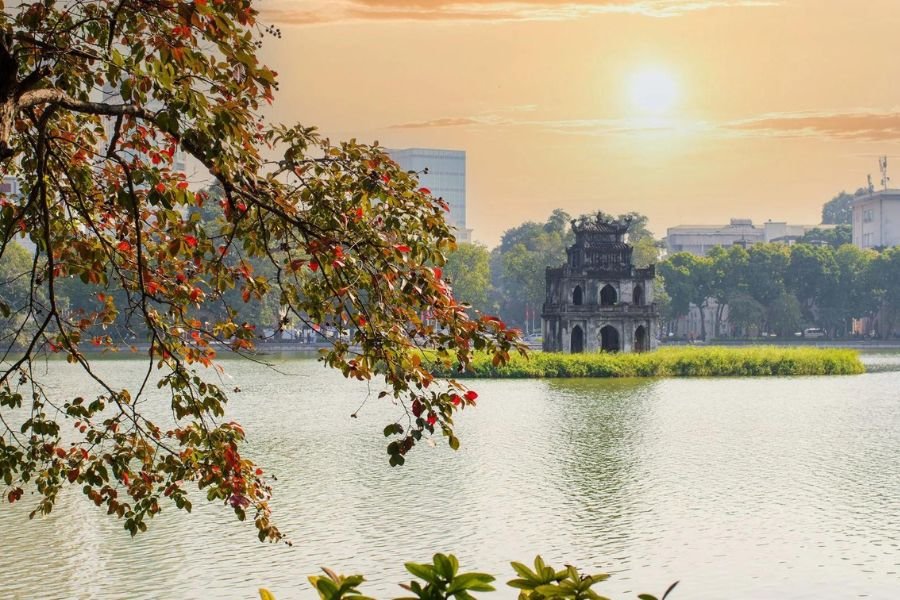
November offers an opportunity to experience the capital at a more relaxed pace, whether you’re wandering through the Old Quarter or sitting beside Hoan Kiem Lake with a Vietnamese coffee.
Start your morning with a bowl of pho, explore historic temples and museums, then spend the afternoon discovering traditional neighborhoods.
The city’s café culture is also worth exploring. From small family-run coffee shops to contemporary spaces tucked inside old buildings, Hanoi offers countless places to slow down and observe everyday life.
For travelers interested in Vietnamese culture, the capital makes an excellent introduction to the country.
How long to stay: 2–3 days.
Travel tip: Bring a light jacket for early mornings and evenings, particularly toward the end of November.
For more ideas on what to see and do, explore our Hanoi travel guide.
3. Ninh Binh – Limestone Landscapes and Pink Water Lilies
Best for: Nature, photography, and slow travel
If you enjoy dramatic scenery but prefer a gentler pace, Ninh Binh deserves a place on your November itinerary.
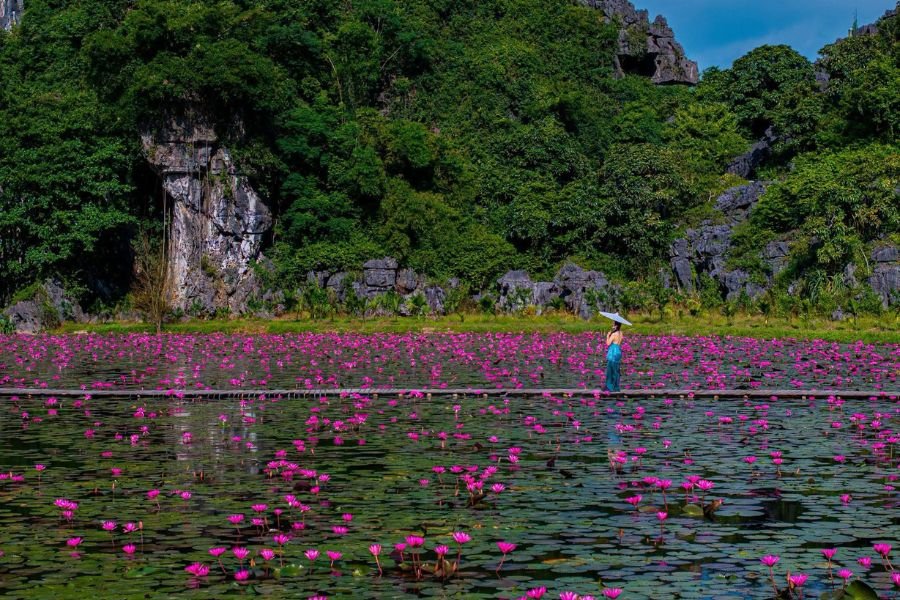
Known for its towering limestone mountains, winding waterways, and peaceful countryside, Ninh Binh offers a refreshing escape from Vietnam’s busy cities. November’s cooler weather makes it a pleasant time to explore the region by boat or bicycle.
One of the seasonal highlights is the appearance of pink water lilies in Tam Coc. During autumn, visitors may encounter beautiful pink blooms along parts of the waterways, while some traditional boats are decorated with flowers, creating picturesque scenes against the surrounding limestone mountains.
A boat ride through Tam Coc or Trang An offers a wonderful opportunity to appreciate the landscape from the water. Beyond the boat tours, you can cycle through quiet villages, explore ancient temples, or visit scenic viewpoints.
Unlike the golden rice harvest season, which generally peaks earlier in the year, November is better suited to enjoying Ninh Binh’s peaceful atmosphere, limestone scenery, and seasonal floral displays.
How long to stay: 1–2 days.
Travel tip: Stay overnight if possible to enjoy the countryside at a slower pace. Water lily blooms and floral boat displays vary by location and season, so check local conditions before planning your visit.
4. Sapa – Misty Valleys and Highland Village Experiences
Best for: Trekking, mountain scenery, and homestays
Sapa has a different character in November compared with the famous golden rice harvest season.
The terraces may no longer be filled with golden rice, but the region still offers mountain landscapes, village paths, and opportunities for cultural exchange.
Cooler temperatures make trekking appealing for visitors who enjoy walking, although fog and damp conditions can occasionally limit visibility.
A locally guided village walk can provide insight into traditional crafts, farming practices, and everyday life in the highlands.
For a slower experience, consider staying in a homestay outside the busiest part of town.
How long to stay: 2–3 days.
Travel tip: Pack warm clothing and footwear with good grip. Mountain mornings and evenings can feel considerably colder than Hanoi.
5. Da Lat – Cool Highland Air and Late-Autumn Flowers
Best for: Couples, nature lovers, and relaxed getaways
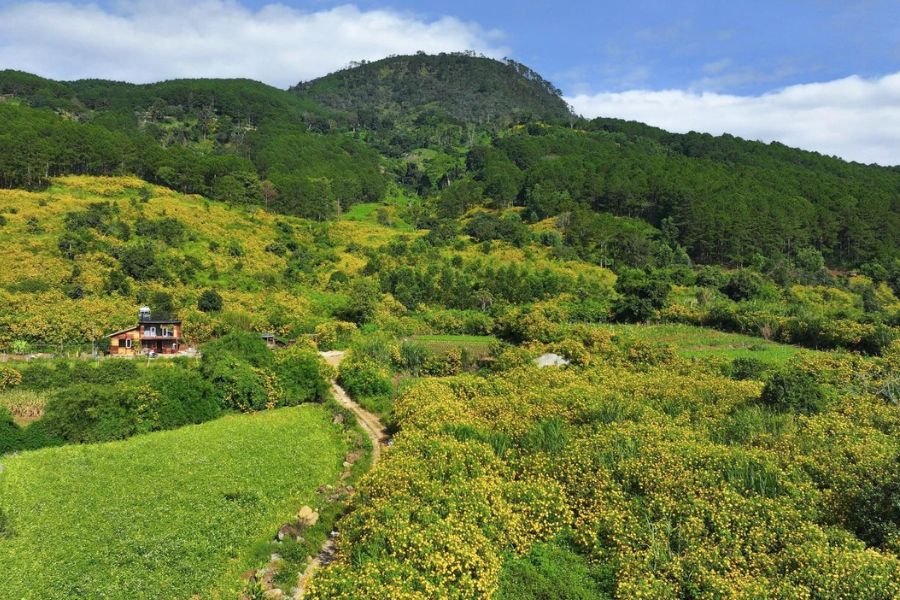
Da Lat offers a refreshing contrast to Vietnam’s busy cities and tropical beaches.
Located in the Central Highlands, the city is known for pine forests, lakes, flower gardens, and a cooler mountain climate.
November marks the transition toward drier conditions, making it a promising time for countryside exploration.
Late autumn may also bring wild sunflowers to hillsides and rural roads, depending on seasonal conditions.
Spend a morning exploring local cafés, visit the central market, or take a countryside excursion to discover farms, viewpoints, and quieter landscapes.
Da Lat is especially suitable for travelers who prefer relaxed sightseeing rather than a tightly scheduled itinerary.
How long to stay: 2–3 days.
Travel tip: Evenings can be chilly. Bring a jacket and check the forecast before planning outdoor activities.
6. Ho Chi Minh City – Food, Culture and Urban Energy
Best for: First-time visitors, food lovers, and city experiences
Ho Chi Minh City is a destination that rewards curiosity.
Its busy streets, historic landmarks, local markets, and constantly evolving food scene offer a fascinating introduction to contemporary Vietnamese life.
November remains warm, and occasional rainfall is still possible. However, many activities can be enjoyed regardless of brief showers.
Visit the Central Post Office, explore the city’s museums, discover local coffee culture, or join a guided street-food experience.
One of the best ways to understand the city is to explore beyond the most famous landmarks, including neighborhood markets and smaller local eateries.
How long to stay: 2–3 days.
Travel tip: Leave room in your schedule for spontaneous discoveries. Some of the city’s most memorable experiences happen between planned attractions.
7. Phu Quoc – A Tropical Escape Before the Year Ends
Best for: Beaches, relaxation, and island holidays
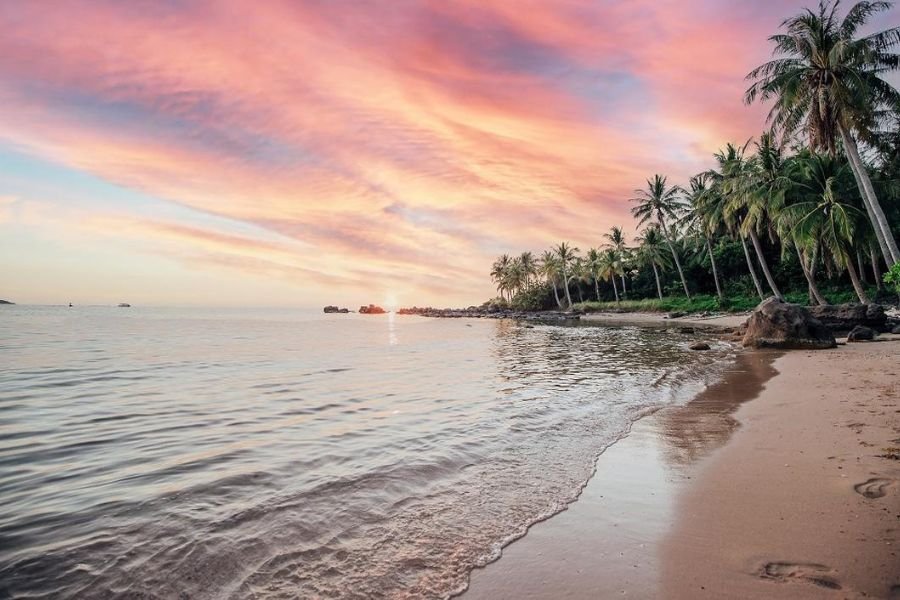
If your ideal November trip includes warm sea air and time on the beach, Phu Quoc is worth considering.
The island generally moves into a more favorable weather period during the final months of the year, although rain and changing sea conditions are still possible.
Visitors can enjoy beaches, seafood, sunset viewpoints, and relaxed coastal accommodation.
For active travelers, snorkeling and boat excursions may be available when weather and sea conditions permit.
Phu Quoc also works well as a relaxing final stop after a longer journey through Northern or Southern Vietnam.
How long to stay: 3–4 days.
Travel tip: Check sea conditions before booking boat tours. November can be promising, but sunshine and calm seas are never guaranteed.
Where Should You Avoid or Plan Carefully in November?
November is not necessarily the best month for a beach-focused trip along Vietnam’s central coast.
Hoi An, Hue, and Da Nang can experience significant rainfall, and storms may affect transport, sightseeing, and accommodation.
That does not mean these destinations should automatically be removed from every itinerary.
If your trip focuses on cultural heritage and you have flexible dates, visiting may still be worthwhile when local conditions are safe.
However, travelers with limited time or a strong preference for sunny beach weather may find Phu Quoc a more suitable choice.
The key is to distinguish between a destination being worth visiting and the weather being ideal for every activity.
What to Pack for Vietnam in November
Packing for Vietnam in November can be surprisingly challenging because the climate changes so much between regions.
A traveler heading to Ha Giang may need warm layers, while someone relaxing on Phu Quoc will be more comfortable in lightweight summer clothing.
Here are the essentials worth considering:
- Lightweight, breathable clothing: Useful for Southern Vietnam and warmer daytime conditions.
- A warm jacket or fleece: Important for Sapa, Ha Giang, Da Lat, and cooler Northern evenings.
- Comfortable walking shoes: Suitable for cities, countryside walks, and sightseeing.
- A compact rain jacket: Particularly useful if traveling through Central Vietnam or during occasional southern showers.
- Sun protection: Sunglasses, sunscreen, and a hat remain useful throughout the country.
- A small daypack: Convenient for day trips, water, and extra clothing.
- Waterproof protection for electronics: Helpful for boat trips and unpredictable weather.
If you’re visiting several regions, packing layers is generally more practical than bringing only summer or winter clothing.
Suggested Vietnam Itinerary for November
7 Days: Northern Vietnam Highlights
For travelers with one week, focusing on Northern Vietnam can reduce travel time and provide a more relaxed experience.
Days 1–2: Hanoi
Explore the Old Quarter, historic attractions, and local food scene.
Days 3–4: Ninh Binh
Enjoy a boat trip, countryside cycling, and limestone scenery.
Days 5–7: Ha Long Bay or Lan Ha Bay
Experience the bay’s dramatic landscapes on a cruise, allowing time for transfers and weather-related adjustments.
This itinerary is ideal for first-time visitors who want a combination of culture and nature without covering too much distance.
If you’re planning a shorter holiday, our Vietnam 7-day itinerary offers additional ideas for organizing your trip.
10–14 Days: Northern Vietnam and a Southern Escape
With additional time, consider combining the north with Southern Vietnam.
Days 1–3: Hanoi and Ninh Binh
Discover the capital and nearby countryside.
Days 4–7: Ha Giang
Enjoy a guided mountain adventure through the northern highlands.
Days 8–10: Ho Chi Minh City
Explore local culture, historic attractions, and Vietnamese cuisine.
Days 11–14: Phu Quoc
Finish with a relaxing island stay.
This route uses domestic flights and longer road transfers, so allow sufficient time between destinations.
For travelers who prefer fewer transfers, replacing Ha Giang with Ha Long Bay may create a less demanding itinerary.
You can also explore our Vietnam 2-week itinerary for more inspiration when planning a longer journey.
Practical Travel Tips for Visiting Vietnam in November
1. Plan Around Regional Weather, Not Just the Calendar
Vietnam stretches across several climate zones. A forecast for Hanoi will not tell you what to expect in Hoi An or Phu Quoc.
Check the forecast for each destination shortly before traveling, especially if your itinerary includes mountains, cruises, or Central Vietnam.
2. Keep Mountain and Boat Activities Flexible
Weather can affect visibility, road conditions, and water-based activities.
Where possible, avoid arranging an important international flight immediately after a remote mountain tour or an overnight cruise.
A little flexibility can make your journey considerably less stressful.
3. Choose Experiences That Match the Season
November is excellent for exploring many parts of Northern Vietnam, but it is generally too late to expect the peak golden rice terraces in places such as Sapa and Mu Cang Chai.
Instead, focus on mountain landscapes, local communities, buckwheat flowers, and the atmosphere of late autumn.
Understanding seasonal differences helps avoid unrealistic expectations.
4. Respect Local Communities and Traditions
When visiting highland villages or traditional communities, ask permission before photographing people, especially children.
Choose locally operated experiences where possible, respect private spaces, and follow your guide’s advice about cultural etiquette.
Meaningful travel is about more than collecting beautiful photographs.
5. Check Travel Documents and Transport Arrangements
Before departure, confirm the visa requirements applicable to your nationality using official Vietnamese immigration resources.
Review domestic transport schedules, luggage allowances, and cancellation conditions, especially if your route involves several regions.
Frequently Asked Questions About Vietnam in November
Is November a good month to travel to Vietnam?
Yes. November is a particularly attractive month for Northern Vietnam, where cooler weather can make sightseeing and outdoor activities more comfortable. Southern destinations also become increasingly appealing, while Central Vietnam may experience heavy rain.
Is Vietnam cold in November?
It depends on the region. Hanoi is generally mild, while mountain destinations such as Sapa and Ha Giang can become quite cold, particularly at night. Southern Vietnam remains warm.
Can you swim in Vietnam in November?
Yes, depending on the destination and local conditions. Phu Quoc is often a better choice than the central coast during November, although sea conditions should always be checked before swimming or taking boat trips.
Is November a good time to visit Ha Giang?
November is a popular time to explore Ha Giang because of its cooler mountain weather and seasonal buckwheat flowers. Conditions vary, so check local forecasts and flowering updates before departure.
Should I visit Hoi An in November?
You can, but November falls within Hoi An’s rainy season. Heavy rain and flooding are possible, so flexible planning and close attention to local weather warnings are important.
How many days do you need in Vietnam in November?
Seven days can work well for one region, particularly Northern Vietnam. Ten to fourteen days gives travelers more flexibility to combine different destinations without rushing.
Final Thoughts: Is Vietnam Worth Visiting in November?
Vietnam in November can be a wonderful travel experience when you choose destinations that suit the season.
From Ha Giang’s dramatic mountains and Hanoi’s cooler streets to Da Lat’s highland atmosphere and Phu Quoc’s tropical beaches, the country offers plenty of variety.
The most rewarding itinerary is not necessarily the one that covers the most places. It is the one that gives you enough time to experience each destination while respecting local weather conditions.
Whether you’re planning your first Vietnam adventure, a romantic getaway, or a slower journey through the countryside, November offers many opportunities to discover a different side of the country.
Planning your Vietnam trip?
Let Maverick Journeys — Your Vietnam Travel Expert help you create a personalized itinerary that matches your interests, travel dates, and preferred pace.