










Vietnam is famous for its emerald rice terraces, tropical beaches, and vibrant cities. But beneath its dramatic limestone mountains lies another world waiting to be discovered.
From enormous underground chambers and mysterious rivers to spectacular stalactites formed over millions of years, Vietnam caves offer some of Southeast Asia’s most extraordinary natural experiences.
Some caves are easily accessible on a relaxing day trip, while others require jungle trekking, swimming, and multi-day expeditions. Whether you’re visiting Vietnam for the first time or looking for a new adventure, there is a cave experience to match your travel style.
One of the country’s most remarkable cave destinations is Phong Nha–Ke Bang National Park, part of a transboundary UNESCO World Heritage property extending into neighboring Laos. This protected landscape is internationally recognized for its exceptional limestone formations, underground waterways, and biodiversity.
Ready to explore beneath the surface? Here are eight spectacular caves and cave systems in Vietnam worth adding to your itinerary.
If you’re planning a longer journey, explore our guide to the best places to visit in Vietnam for more natural wonders and unforgettable destinations.

1. Phong Nha Cave – A Beautiful Underground River Journey
Location: Phong Nha, Central Vietnam
If you’re new to cave exploration, Phong Nha Cave is an excellent place to begin.
Located within Phong Nha–Ke Bang National Park, this famous cave offers a memorable journey through an underground river surrounded by impressive limestone formations.
The adventure typically begins with a scenic boat ride along the Son River. As you approach the cave entrance, the bright landscape gradually gives way to a cooler, darker underground world.
Inside, towering rock formations, natural chambers, and reflections on the water create a remarkable atmosphere.
Unlike more demanding cave expeditions, visiting Phong Nha Cave generally requires little physical effort, making it suitable for many first-time visitors.
Why visit: A scenic underground boat journey with impressive rock formations.
Best for: First-time cave explorers, couples, and travelers looking for an accessible experience.
Travel tip: Allow enough time to enjoy the river journey and explore the permitted sections without rushing.
2. Paradise Cave – A Spectacular Underground Wonderland
Location: Phong Nha, Central Vietnam
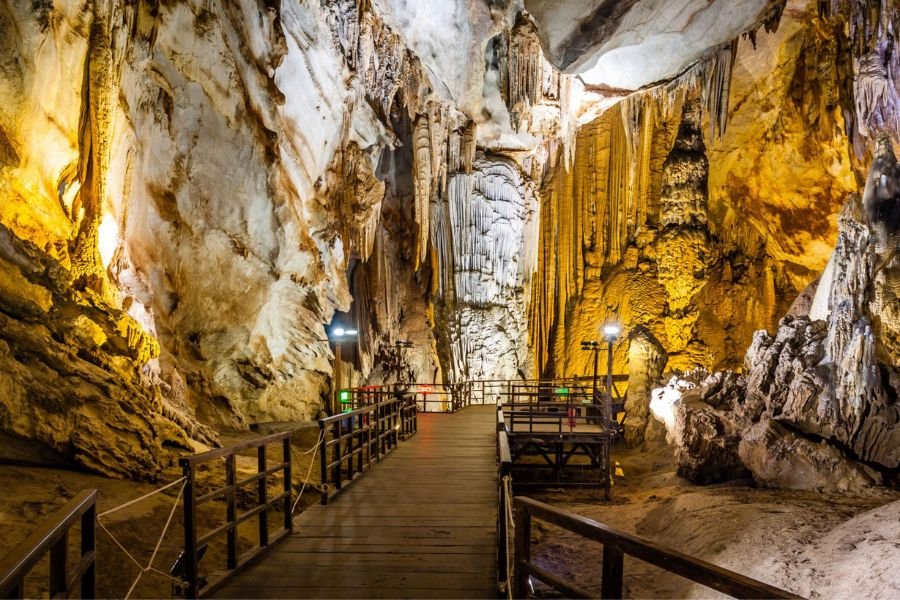
Known locally as Thien Duong Cave, Paradise Cave is one of the most visually impressive caves in Vietnam.
Its enormous chambers are filled with intricate stalactites and stalagmites, some resembling waterfalls, towers, or delicate sculptures.
A developed visitor route allows travelers to explore part of the cave while appreciating the scale and beauty of its formations.
Soft lighting highlights the natural textures of the limestone, creating an almost otherworldly atmosphere.
Paradise Cave is particularly appealing to travelers who want to experience the grandeur of Vietnam’s underground landscapes without committing to a challenging expedition.
Why visit: Extraordinary limestone formations and vast underground chambers.
Best for: Nature lovers, photographers, and first-time visitors to Phong Nha.
Travel tip: Wear comfortable shoes with good grip, as walkways and steps may become slippery.
3. Son Doong Cave – The Ultimate Cave Expedition
Location: Phong Nha, Central Vietnam
For serious adventurers, Son Doong Cave represents one of the most extraordinary underground journeys on Earth.
Renowned for its immense cave passage, Son Doong features gigantic chambers, an underground river, and areas where collapsed ceilings allow sunlight to reach the cave floor.
In some places, vegetation grows beneath openings in the cave roof, creating a remarkable contrast between the underground environment and the tropical forest above.
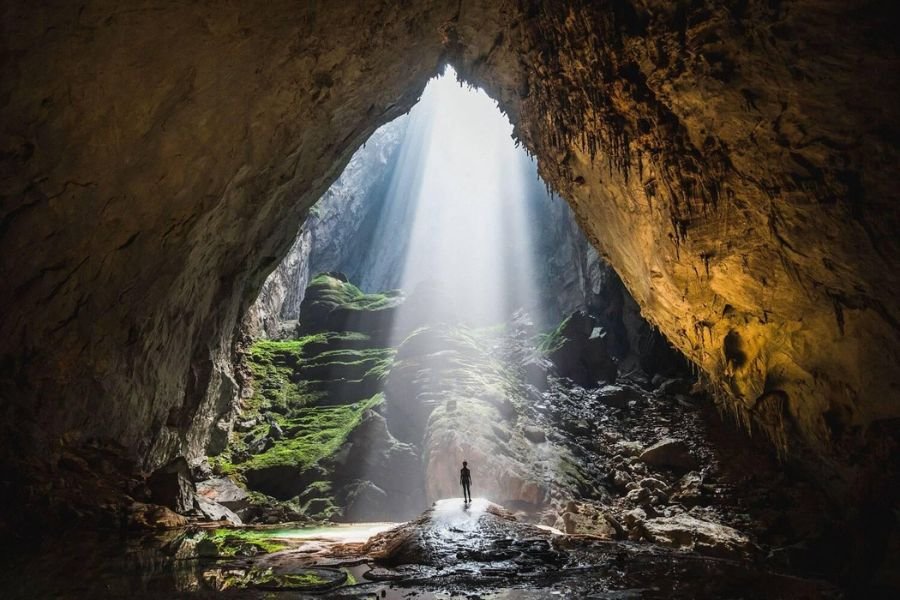
Exploring Son Doong is not a typical sightseeing excursion. It requires a specialized, guided expedition involving trekking, river crossings, and physically demanding terrain.
Access is controlled, and travelers must meet the operator’s fitness and safety requirements.
Why visit: An extraordinary expedition through one of the world’s most remarkable cave environments.
Best for: Experienced adventure travelers with strong physical fitness.
Travel tip: Plan well in advance and confirm availability, expedition requirements, and operating dates with the authorized tour operator.
4. Hang En Cave – An Unforgettable Jungle Adventure
Location: Phong Nha, Central Vietnam
Imagine trekking through tropical forest, crossing streams, and eventually arriving at an enormous cave hidden among the mountains.
That is the appeal of Hang En Cave.
Its impressive entrance and spacious interior make it one of the most memorable adventure destinations in the Phong Nha region.
For travelers who enjoy immersive outdoor experiences, the journey is as rewarding as the destination itself.
Guided expeditions typically combine jungle trekking, stream crossings, and an overnight camping experience inside the cave.
The combination of dramatic natural scenery and the peaceful atmosphere of the surrounding wilderness makes Hang En particularly special.
Why visit: A combination of jungle trekking, cave exploration, and wilderness camping.
Best for: Active travelers seeking a multi-day nature adventure.
Travel tip: Check the physical requirements and seasonal availability before booking. This experience is more demanding than a standard sightseeing tour.
5. Tu Lan Cave System – Explore Vietnam’s Wild Underground World
Location: Minh Hoa area, Central Vietnam
For travelers who want to experience Vietnam’s caves beyond the usual tourist routes, the Tu Lan Cave System offers an exciting alternative.
This network of caves is surrounded by rugged limestone mountains, dense forest, and flowing streams.
Depending on the expedition, visitors may trek through jungle trails, explore dry cave passages, and swim through sections of underground rivers.
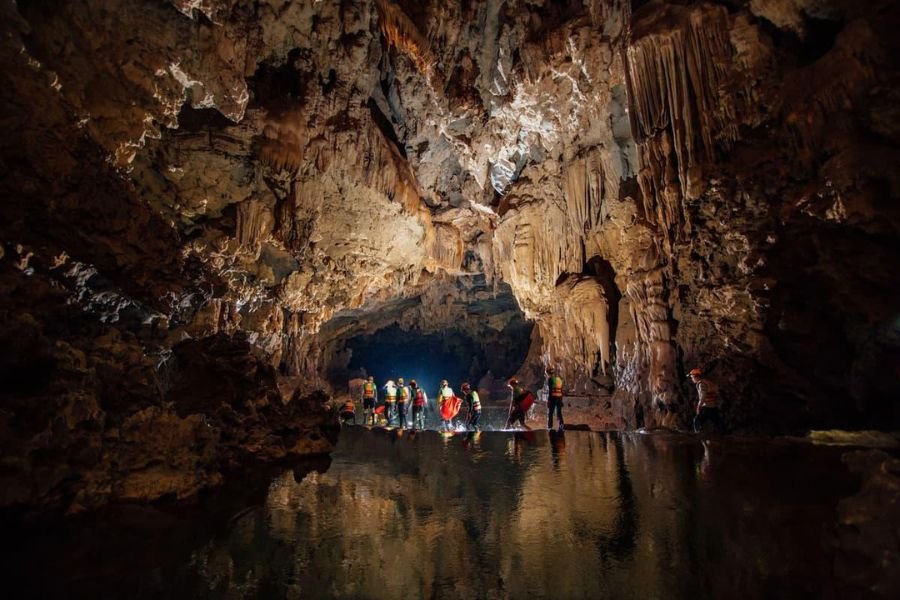
What makes Tu Lan special is the variety of landscapes encountered throughout the journey.
One moment you might be walking beneath a forest canopy; the next, you could be surrounded by dramatic rock formations deep underground.
Why visit: A more adventurous cave experience combining trekking, swimming, and spectacular natural scenery.
Best for: Outdoor enthusiasts and travelers seeking less conventional adventures.
Travel tip: Choose an expedition suited to your swimming ability and fitness level. Follow your guide’s instructions, particularly around underground water.
6. Dark Cave – An Adventure-Filled Experience in Phong Nha
Location: Phong Nha, Central Vietnam
Not every cave adventure needs to be a multi-day expedition.
Dark Cave, also known as Hang Toi, offers a more active alternative to traditional cave sightseeing.
Instead of simply admiring illuminated formations, visitors can experience a darker, more rugged cave environment.
Depending on the available activity package and operating conditions, a visit may include ziplining, swimming, kayaking, and exploring muddy cave passages.
The experience is especially popular with travelers looking to combine outdoor adventure with an unusual underground setting.
Dark Cave is a good choice if you want to add something energetic and playful to your Phong Nha itinerary.
Why visit: A mix of cave exploration and outdoor adventure activities.
Best for: Friends, couples, and active travelers.
Travel tip: Bring suitable swimwear and follow the site’s safety requirements. Some activities may have age, weight, or health restrictions.
7. Nguom Ngao Cave – A Hidden Natural Wonder in Cao Bang
Location: Cao Bang, Northern Vietnam
While many of Vietnam’s most famous caves are concentrated around Phong Nha, Northern Vietnam has impressive underground landscapes of its own.
Nguom Ngao Cave, located in Cao Bang, is one of the region’s standout natural attractions.
Inside, visitors can discover an impressive collection of stalactites, stalagmites, and limestone formations shaped over long geological periods.
The cave’s chambers offer a peaceful contrast to the dramatic mountain scenery outside.
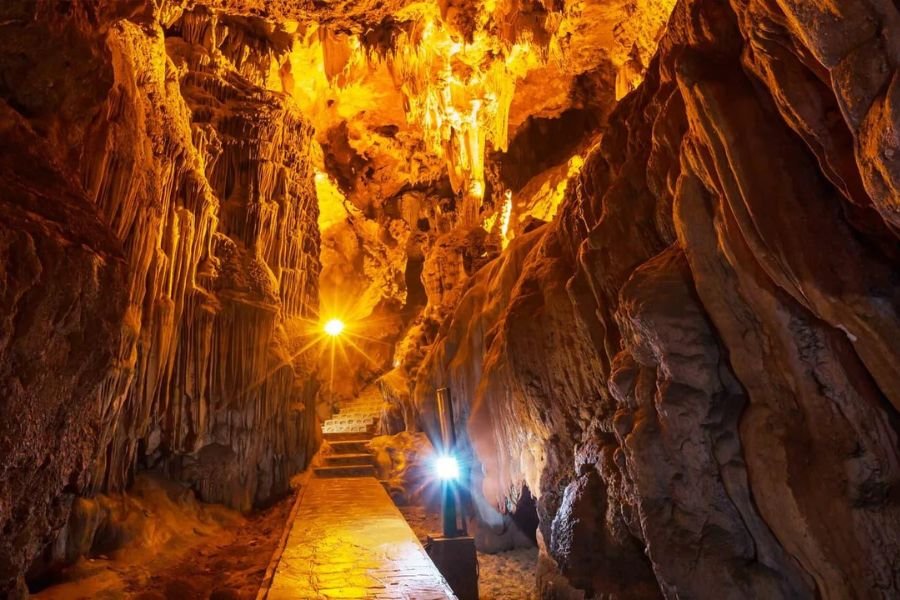
Nguom Ngao is particularly appealing because it can be combined with a visit to Ban Gioc Waterfall, one of Northern Vietnam’s most beautiful natural landmarks.
Together, these attractions make Cao Bang a rewarding destination for travelers interested in landscapes, photography, and nature.
For more breathtaking landscapes across the country, discover our favorite Vietnam photography spots.
Why visit: Beautiful limestone formations in a scenic northern destination.
Best for: Nature lovers, photographers, and travelers exploring Cao Bang.
Travel tip: Combine Nguom Ngao Cave with Ban Gioc Waterfall and allow enough time for the journey through Cao Bang’s mountainous roads.
8. Thien Cung Cave – A Beautiful Cave in Ha Long Bay
Location: Ha Long Bay, Northern Vietnam
Ha Long Bay is best known for its emerald waters and thousands of limestone islands. However, its natural beauty extends beneath the surface.
Thien Cung Cave, often called Heavenly Palace Cave, is one of the area’s notable underground attractions.
Inside, visitors encounter elaborate rock formations, dramatic chambers, and illuminated limestone features.
The cave offers a different perspective on the geological processes that shaped Ha Long Bay’s famous landscape.
Unlike remote adventure caves, Thien Cung can be visited as part of certain sightseeing boat routes, making it convenient for travelers already planning a Ha Long Bay excursion.
Why visit: Impressive cave formations combined with a classic Ha Long Bay experience.
Best for: First-time visitors, couples, and travelers with limited time.
Travel tip: Check your cruise or boat itinerary before booking, as not all Ha Long Bay routes include Thien Cung Cave.
Which Vietnam Cave Should You Visit?
With so many options, choosing the right cave depends on your interests, available time, and comfort with physical activity.
| Cave | Experience | Physical demand |
|---|---|---|
| Phong Nha Cave | Underground boat journey | Low |
| Paradise Cave | Walkways and cave formations | Low–moderate |
| Son Doong Cave | Multi-day wilderness expedition | Very high |
| Hang En Cave | Trekking and cave camping | High |
| Tu Lan Cave System | Trekking and underground swimming | Moderate–high, depending on tour |
| Dark Cave | Water activities and cave exploration | Moderate |
| Nguom Ngao Cave | Limestone cave sightseeing | Low–moderate |
| Thien Cung Cave | Cave visit during a bay excursion | Low–moderate |
For first-time visitors, Phong Nha Cave and Paradise Cave offer a good introduction to Vietnam’s underground landscapes.
Adventure travelers may prefer Tu Lan, Hang En, or Son Doong, while those exploring Northern Vietnam can combine Nguom Ngao Cave with Cao Bang’s scenic mountain routes.
Best Time to Explore Vietnam Caves
The best time to visit Vietnam caves depends on their location and the type of experience you are planning.
Central Vietnam: Phong Nha and Surrounding Caves
The period from approximately February to August is generally more favorable for many outdoor and cave activities around Phong Nha.
However, conditions vary throughout the year, and heavy rainfall can affect underground rivers, trekking routes, and access.
The wetter months, particularly around October and November, can bring significant flooding risks.
For adventure caves such as Son Doong, Hang En, and Tu Lan, operating seasons are determined by the tour operators and safety conditions.
Northern Vietnam: Cao Bang and Ha Long Bay
Spring and autumn can be pleasant periods for exploring Northern Vietnam.
In Cao Bang, visitors can combine cave sightseeing with mountain landscapes and waterfalls.
Ha Long Bay is accessible during much of the year, although storms and poor weather can affect boat operations.
Important: Always check local weather forecasts and attraction opening conditions before traveling, especially during periods of heavy rain.
How to Plan a Vietnam Cave Adventure
Start with the Right Destination
If caves are a major priority, Phong Nha is the most practical base for exploring several outstanding sites.
Travelers can typically reach the region through Dong Hoi, then continue by road to Phong Nha.
If your itinerary focuses on Northern Vietnam, Cao Bang and Ha Long Bay offer cave experiences that can be combined with other regional attractions.
For a broader journey across the country, explore our Vietnam itinerary guide to plan how different destinations fit together.
Allow Enough Time
For a relaxed visit to Phong Nha Cave and Paradise Cave, consider spending at least two days in the region.
Three or more days will provide additional flexibility for exploring the countryside or joining other available activities.
Specialized expeditions to Son Doong, Hang En, or Tu Lan require separate planning and should not be treated as casual day trips.
Choose a Suitable Tour
Not all Vietnam caves are accessible independently.
Developed tourist caves may offer regular admission and established visitor routes, while remote cave systems require authorized guides and specialized equipment.
Before booking, confirm the tour duration, fitness requirements, swimming conditions, included equipment, cancellation policies, and emergency procedures.
Essential Safety Tips for Visiting Vietnam Caves
Cave exploration can be an unforgettable experience, but underground environments require care.
-
Wear shoes with reliable grip and clothing suitable for damp conditions.
-
Never enter undeveloped caves without appropriate authorization and experienced guides.
-
Check rainfall forecasts, as underground water levels can change rapidly.
-
Carry water and any personal medication needed for the trip.
-
Avoid touching or damaging stalactites and other delicate cave formations.
-
Follow marked routes and never leave litter behind.
Responsible tourism helps protect these fragile environments for future generations.
Frequently Asked Questions About Vietnam Caves
What is the most famous cave in Vietnam?
Son Doong is internationally famous for its enormous cave passage and extraordinary underground environment. However, Phong Nha Cave and Paradise Cave are more accessible options for most visitors.
Are Vietnam caves suitable for beginners?
Yes. Several caves, including Phong Nha Cave, Paradise Cave, and Thien Cung Cave, have established tourist routes suitable for many visitors. Some walking, stairs, or uneven surfaces may still be involved.
Can you visit Son Doong Cave independently?
No. Son Doong is accessed through a controlled, authorized expedition. Independent exploration is not permitted.
How many days should I spend exploring Phong Nha?
Two to three days is a reasonable starting point for conventional sightseeing and local experiences. More demanding expeditions require additional time.
Is it safe to explore Vietnam caves during the rainy season?
Some developed caves may remain accessible, but heavy rain can create dangerous conditions, especially in caves with underground rivers. Follow official closure notices and local guidance.
Final Thoughts: Discover the Underground Beauty of Vietnam
Vietnam’s natural beauty extends far beyond its famous beaches, mountains, and rice terraces.
From the peaceful underground river of Phong Nha Cave to the immense chambers of Son Doong and the dramatic limestone formations of Nguom Ngao, every destination offers a different perspective on the country’s remarkable landscapes.
Whether you prefer a relaxing sightseeing experience or an adventurous expedition deep into the wilderness, exploring Vietnam caves can become one of the most memorable parts of your journey.
And for travelers willing to venture beyond the usual routes, there is always another side of Vietnam waiting to be discovered.