










Vietnam is famous for limestone mountains, golden rice terraces, tropical beaches and emerald bays. But venture beyond the country’s most familiar landscapes and you will discover another side of its natural beauty: waterfalls.
Across the country, rivers tumble through limestone valleys, forests and mountain landscapes. Some waterfalls are easy additions to popular destinations such as Da Lat, while others require long road journeys into less-visited regions.
And sometimes, getting there is half the experience.
From the spectacular cascades of Ban Gioc in Northern Vietnam to the powerful waterfalls of the Central Highlands, the best waterfalls in Vietnam offer plenty of reasons to leave the cities behind.
Here are 10 beautiful waterfalls worth adding to your Vietnam itinerary.
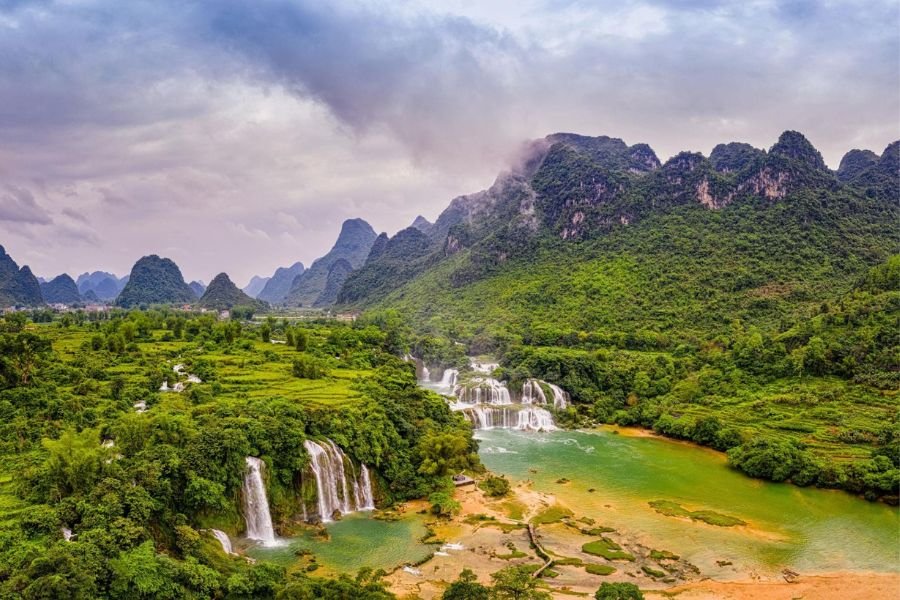
1. Ban Gioc Waterfall, Cao Bang
If you are searching for the best waterfalls in Vietnam, Ban Gioc is an obvious place to begin.
Located in Cao Bang Province in northeastern Vietnam, Ban Gioc sits along the Vietnam–China border and is fed by the Quay Son River.
The waterfall spreads across several levels, surrounded by limestone mountains, green fields and rural landscapes.
But what makes Ban Gioc so memorable is not simply the waterfall.
It is the entire setting.
Green rice fields, limestone peaks, turquoise water and peaceful countryside combine to create one of Northern Vietnam’s most impressive landscapes.
What to Do at Ban Gioc
Take your time here rather than arriving, taking a few photographs and immediately leaving.
Bamboo rafts operate on the river and offer travelers a closer perspective of the cascading water.
Nearby, you can also visit Nguom Ngao Cave, adding another natural attraction to your Cao Bang journey.
Ban Gioc is relatively remote compared with Vietnam’s major tourist destinations, so it works particularly well as part of a wider exploration of northeastern Vietnam rather than a rushed sightseeing stop.
Best For
Landscape photography, Northern Vietnam road trips and travelers who love dramatic natural scenery.
If photographing Vietnam’s landscapes is an important part of your trip, explore more locations in our Vietnam Photography Spots guide.
2. Pongour Waterfall, Lam Dong
Da Lat and the surrounding countryside are home to several waterfalls, but Pongour Waterfall stands out for its unusual shape.
Instead of falling as one narrow stream, water spreads across broad rocky terraces, creating a dramatic layered cascade.
When water levels are strong, the multiple levels create an impressive natural amphitheater surrounded by vegetation.
Its shape also makes Pongour particularly attractive for landscape photography.

Why Visit Pongour?
Pongour is a good choice for travelers who want to venture beyond central Da Lat.
The journey takes you through the countryside and reveals a quieter side of Lam Dong Province.
Once you arrive, allow enough time to explore the viewpoints and surrounding area rather than treating Pongour as a quick photo stop.
Best For
Nature photography, Da Lat itineraries and travelers exploring the Central Highlands.
3. Datanla Waterfall, Da Lat
If Pongour is about getting farther into the countryside, Datanla Waterfall offers a more accessible experience.
Located close to Da Lat, Datanla has become one of the area’s popular nature and adventure attractions.
Its location makes it particularly convenient for travelers with limited time.
The surrounding area combines forest scenery and cascading water with organized activities, creating a very different experience from some of the more remote waterfalls on this list.
Datanla or Pongour?
If your schedule allows, you do not necessarily have to choose between them.
They offer different experiences.
Choose Datanla if you want convenience and activities.
Choose Pongour if you prefer a larger natural landscape and a countryside excursion.
For travelers spending several days in Da Lat, visiting both can provide a useful contrast.
Best For
First-time Da Lat visitors, families and travelers combining nature with adventure activities.
4. Dray Nur Waterfall, Dak Lak
The Central Highlands offer one of Vietnam’s most distinctive landscapes.
Coffee plantations, forests, lakes and rural communities dominate the region, creating an atmosphere very different from the country’s coastal destinations.
This is also where you will find Dray Nur Waterfall.
One of Dak Lak’s best-known natural attractions, Dray Nur is characterized by a wide curtain of water dropping dramatically over dark rock.
When water levels are high, mist rises from below and adds to the waterfall’s powerful appearance.

Why Visit Dray Nur?
For many international visitors, Dak Lak remains far less familiar than Hanoi, Da Nang, Hoi An or Ho Chi Minh City.
That is part of the attraction.
A visit to Dray Nur can be combined with time around Buon Ma Thuot and the surrounding coffee-growing region.
Instead of simply seeing another major tourist destination, you experience forests, waterfalls, rural landscapes and the distinctive character of Vietnam’s Central Highlands.
Best For
Central Highlands adventures, photography and travelers looking beyond Vietnam’s classic tourist route.
5. Dray Sap Waterfall, Central Highlands
Dray Sap Waterfall is often associated with nearby Dray Nur, making the two a natural combination for travelers exploring the region.
The landscape here can feel particularly dramatic when water levels are strong.
Mist, dark volcanic-looking rock and dense vegetation create a wilder atmosphere than many of Vietnam’s more developed nature attractions.
Make It Part of a Central Highlands Journey
Rather than traveling into the region simply to see one waterfall, give yourself enough time to discover more of the surrounding landscape.
The Central Highlands reward slower exploration.
Coffee farms, lakes, villages and countryside can turn a waterfall excursion into a much richer travel experience.
If you prefer less conventional destinations, this region can provide a very different perspective on Vietnam.
Best For
Adventure travelers, nature lovers and visitors wanting to explore beyond Vietnam’s usual coastal route.
6. Elephant Waterfall, Lam Dong
Elephant Waterfall, also known as Thac Voi, is another striking natural attraction in Lam Dong Province.
Compared with some of the more developed attractions around Da Lat, the landscape here has traditionally had a rougher, more rugged character.
Water tumbles over dark rock surrounded by thick vegetation, creating a dramatic setting.
Its appeal comes from the raw power of the landscape rather than perfectly arranged viewpoints.
Check Conditions Before Visiting
This is particularly important for waterfalls.
Access conditions can change, and wet weather may make paths or viewpoints slippery or unsafe.
A waterfall that looks spectacular after heavy rain may also have stronger currents and more difficult walking conditions.
Check current local access information before setting out and always follow signs and instructions at the site.
Best For
Travelers exploring the countryside around Da Lat and visitors who enjoy rugged natural landscapes.
7. Dai Yem Waterfall, Moc Chau
Moc Chau is often associated with green tea hills, flower seasons and mountain scenery.
But Dai Yem Waterfall gives nature lovers another reason to spend time on the plateau.
Surrounded by greenery, the waterfall fits naturally into a wider journey through Moc Chau rather than needing to be the sole purpose of the trip.
The experience can vary significantly depending on recent rainfall and seasonal water levels.

Combine Dai Yem with Moc Chau
The waterfall works best as one part of a broader itinerary.
Spend time exploring tea plantations, mountain roads, local landscapes and other attractions before including Dai Yem as a nature stop.
This allows you to experience more of the region rather than traveling a long distance simply for a photograph.
Best For
Northern Vietnam road trips, nature lovers and travelers exploring Moc Chau.
8. Yang Bay Waterfall, Khanh Hoa
Mention Khanh Hoa and most travelers immediately think of Nha Trang’s beaches and islands.
But travel inland and the scenery begins to change.
Yang Bay Waterfall offers an alternative experience for travelers who want to take a break from the coast and spend a day surrounded by greenery.
It also illustrates one of the advantages of traveling in Vietnam: completely different landscapes can sometimes be experienced within the same region.
Beach One Day, Waterfall the Next
You do not always have to choose between a beach holiday and a nature trip.
Spend one day beside the sea around Nha Trang and another exploring the greener landscapes inland.
This combination can make a longer stay in Khanh Hoa much more varied.
Best For
Nha Trang side trips, families and travelers combining beaches with nature.
9. Dambri Waterfall, Lam Dong
Lam Dong appears several times on this list for a reason.
Its highland geography, forests and waterways create ideal conditions for impressive waterfalls.
Dambri Waterfall is another notable cascade in the province and offers an alternative excursion for travelers venturing beyond central Da Lat.
The surrounding green landscape adds to the sense of scale and makes Dambri worth considering if you have more time to explore Lam Dong.
Rather than attempting to visit every waterfall around Da Lat, choose the ones that best suit your route and travel style.
Best For
Nature-focused itineraries, Central Highlands journeys and travelers with extra time in Lam Dong.
10. Hang En Waterfall, Gia Lai
For travelers who want to venture farther away from Vietnam’s established tourist circuit, Hang En Waterfall in Gia Lai offers another glimpse of the Central Highlands.
It is far less internationally recognizable than Ban Gioc or the waterfalls around Da Lat.
For some travelers, that is exactly the attraction.
A journey through Gia Lai is less about checking famous attractions off a list and more about discovering landscapes that many first-time visitors never see.
Here, the road trip itself can become part of the experience.
Best For
Independent travelers, Central Highlands road trips and visitors looking for lesser-known natural landscapes.
Which of the Best Waterfalls in Vietnam Should You Visit?
Most travelers will not have enough time to visit all ten, nor do they need to.
The best approach is to choose waterfalls that fit naturally into your existing itinerary.
| Your Travel Style | Waterfall to Consider |
|---|---|
| Iconic Northern Vietnam scenery | Ban Gioc |
| Da Lat countryside | Pongour |
| Easy Da Lat excursion | Datanla |
| Central Highlands adventure | Dray Nur |
| Wild highland scenery | Dray Sap |
| Rugged nature around Da Lat | Elephant Waterfall |
| Moc Chau road trip | Dai Yem |
| Nha Trang nature excursion | Yang Bay |
| Lam Dong exploration | Dambri |
| Lesser-known adventure | Hang En |
For a first trip, Ban Gioc and Pongour provide two very different examples of Vietnam’s waterfall landscapes.
However, logistics matter.
The best waterfall for your trip is often the one that complements destinations already on your route rather than requiring a major detour.
Best Time to Visit Waterfalls in Vietnam
There is no single best month for every waterfall in Vietnam.
Vietnam stretches across several climatic regions, which means rainfall patterns and water levels vary between the north, central regions and south.
Generally, waterfalls become more powerful during wetter periods or following significant rainfall.
But more water does not automatically mean a better experience.
Heavy rain can create muddy trails, slippery rocks, strong currents and more difficult road conditions.
Some remote locations can also become harder to access.
The ideal balance is usually enough recent rainfall to create good water flow without severe weather making the journey unsafe or uncomfortable.
For that reason, check recent weather and local conditions shortly before your visit rather than relying entirely on a general seasonal recommendation.
Photographing the Best Waterfalls in Vietnam
Waterfalls are among Vietnam’s most rewarding natural landscapes to photograph.
They can also be challenging.
Mist may collect on your lens, while bright white water can contrast strongly with dark rocks and forests.
Popular viewpoints can become busy during peak hours.
If photography matters to you, arriving earlier in the day can give you more time and potentially quieter viewpoints.
Bring something simple to clean moisture from your lens.
And remember that the waterfall does not always need to fill the entire frame.
Include mountains, forest, rivers, rocks or rice fields when possible.
These details provide context and help communicate what makes each destination different.
For more photography inspiration, see our Vietnam Photography Spots guide.
Safety Tips for Visiting Waterfalls in Vietnam
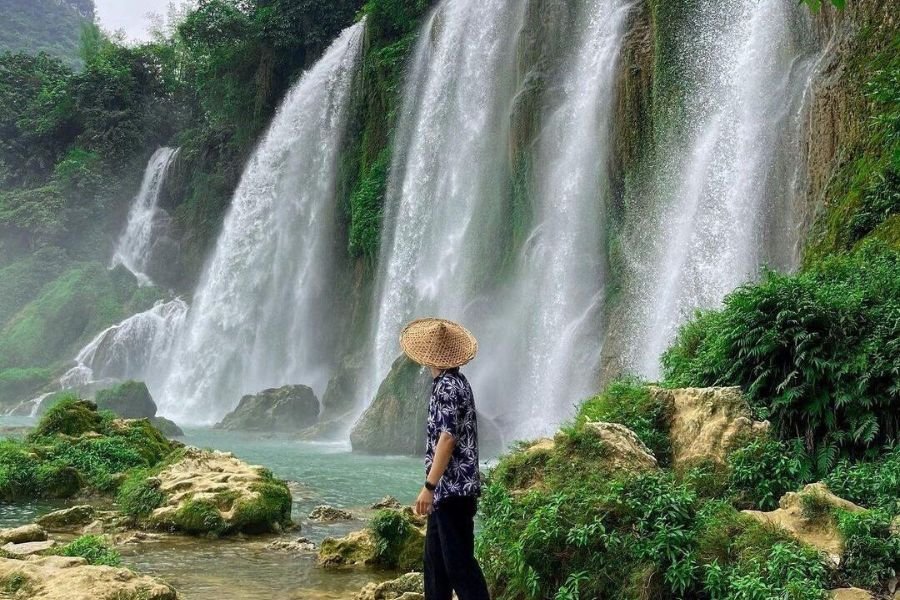
Waterfalls may look peaceful from a distance, but moving water can be extremely powerful.
Never assume a calm-looking pool is safe for swimming.
Strong currents, submerged rocks and sudden changes in depth may not be visible from the surface.
Stay behind barriers where provided and avoid climbing onto wet rocks simply to get a better photograph.
Conditions deserve particular attention after heavy rain.
Paths may become muddy or slippery, while river levels and currents can change quickly.
Footwear also matters.
Shoes with reliable grip are generally more practical than smooth sandals when visiting waterfalls or walking on forest trails.
For remote destinations, traveling with an experienced local guide or driver can make logistics easier and help you understand current road and trail conditions.
Responsible Waterfall Travel
Many of the best waterfalls in Vietnam are surrounded by forests, rural communities and sensitive natural environments.
Their beauty depends partly on visitors treating those environments with care.
Take rubbish with you rather than leaving bottles, food packaging or other waste beside rivers and trails.
Avoid damaging plants or stepping into restricted areas simply to create a photograph.
When a waterfall is located near a rural community, remember that you are visiting someone’s home region rather than an outdoor theme park.
Respecting local communities and natural environments helps preserve these places for both residents and future travelers.
How to Add Vietnam’s Waterfalls to Your Itinerary
A common planning mistake is treating every waterfall as an isolated day trip.
Vietnam is a long country, and several of the waterfalls on this list are hundreds of kilometers apart.
Instead, connect them with destinations already on your route.
Ban Gioc fits into a Cao Bang and northeastern Vietnam journey.
Pongour, Datanla and Elephant Waterfall can be incorporated into time around Da Lat.
Dray Nur and Dray Sap fit naturally into a Central Highlands itinerary.
Dai Yem can be combined with Moc Chau.
Yang Bay works as an inland excursion from the Nha Trang area.
This approach means less time spent making unnecessary detours and more time actually experiencing each region.
If you are still planning your overall route, our Vietnam Itinerary guide can help you structure a longer journey through the country.
Best Waterfalls in Vietnam FAQ
What Is the Most Famous Waterfall in Vietnam?
Ban Gioc Waterfall in Cao Bang is one of Vietnam’s most recognizable waterfalls.
Its broad cascades, limestone mountains and rural setting create a landscape that looks very different from the country’s more familiar beaches and cities.
Is Ban Gioc Waterfall Worth Visiting?
For travelers interested in landscapes, road trips and photography, Ban Gioc can be a rewarding addition to a Northern Vietnam itinerary.
However, it requires more travel time than attractions close to Hanoi, so it is better approached as part of a wider Cao Bang journey rather than a rushed sightseeing stop.
What Are the Best Waterfalls Near Da Lat?
Pongour, Datanla and Elephant Waterfall are among the better-known waterfalls in the wider Da Lat and Lam Dong area.
They provide different experiences, from convenient adventure attractions to larger countryside landscapes.
Can You Swim at Waterfalls in Vietnam?
It depends on the waterfall, weather, water conditions and local regulations.
Do not assume swimming is safe or permitted simply because other visitors are doing it.
Always follow current local signs and instructions.
When Is the Best Time to See Waterfalls in Vietnam?
There is no single best period for the entire country because rainfall patterns vary between regions.
Waterfalls can become more powerful after rain, but heavy rainfall may also make roads, trails and rocks more hazardous.
Check the weather and current local conditions before traveling.
Which Waterfalls in Vietnam Are Best for Photography?
Ban Gioc is particularly attractive for wide landscape photography because of the surrounding mountains and countryside.
Pongour offers a distinctive layered cascade, while Dray Nur provides dramatic highland scenery.
The best location ultimately depends on the type of landscape you want to photograph.
Final Thoughts: Discovering the Best Waterfalls in Vietnam
Vietnam’s most memorable landscapes are not always beside the easiest roads.
Sometimes you have to leave the city behind, follow a mountain highway, cross the countryside or walk through the forest.
Then you hear the water before you see it.
Ban Gioc cascades through a dramatic limestone landscape in Northern Vietnam.
Pongour spreads across rocky terraces in Lam Dong.
Dray Nur and Dray Sap reveal the powerful natural scenery of the Central Highlands.
Elsewhere, waterfalls hide among forests, plateaus and mountain communities far from the country’s busiest tourist destinations.
You do not need to visit them all.
Choose one or two that fit naturally into your route, travel slowly and leave enough time to appreciate the landscapes around them.
Because exploring the best waterfalls in Vietnam is not only about reaching the waterfall.
The journey to get there can become one of the most memorable parts of your Vietnam adventure.
Maverick Journeys — Your Vietnam Travel Expert
𝐔𝐧𝐛𝐨𝐮𝐧𝐝 • 𝐔𝐧𝐭𝐨𝐮𝐜𝐡𝐞𝐝 • 𝐔𝐧𝐟𝐨𝐫𝐠𝐞𝐭𝐭𝐚𝐛𝐥𝐞