










Best Floating Markets in Vietnam Beyond Cai Rang: A Local Travel Guide
When travelers think about Vietnam floating markets, Cai Rang is usually the first name that comes to mind. Located near Can Tho in the Mekong Delta, it has become one of southern Vietnam’s best-known cultural experiences.
But Cai Rang is only part of the story.
Across the Mekong Delta, rivers and canals have shaped how communities trade, travel, and live for generations. Some floating markets remain active trading hubs, while others have become smaller as roads, supermarkets, and modern transportation change everyday life.
For travelers seeking authentic local experiences in Vietnam, these waterways offer a fascinating glimpse into the culture of the country’s south.
This guide explores some of the best floating markets in Vietnam beyond Cai Rang, along with practical advice for experiencing them respectfully.
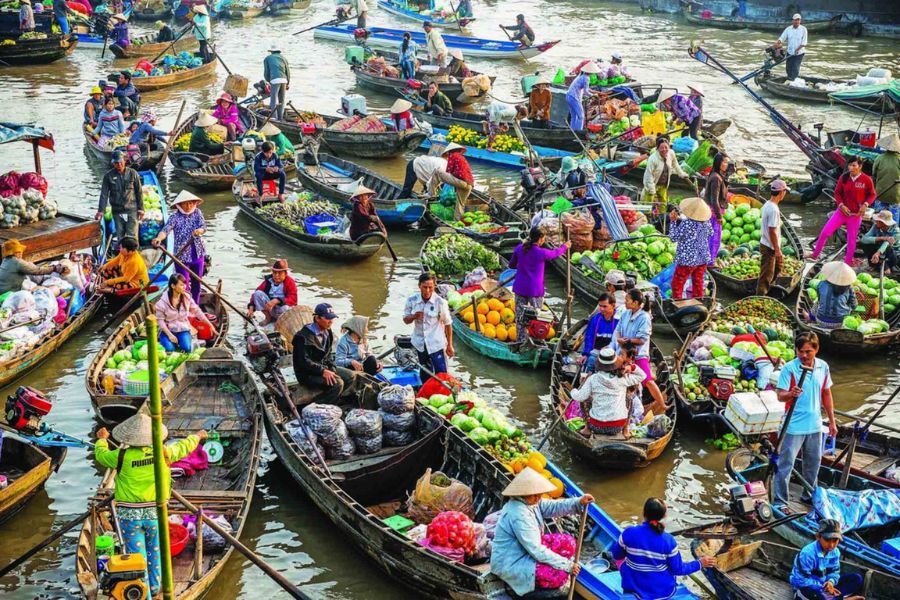
Why Does Vietnam Have Floating Markets?
To understand Vietnam’s floating markets, you first need to understand the Mekong Delta and its river culture.
The region is built around an enormous network of rivers, canals, and waterways. Before road infrastructure became widespread, boats were among the most practical ways to transport people and agricultural products.
That geography helped create floating markets.
Farmers and traders would load boats with fruits, vegetables, rice, and other goods before meeting on the waterways to trade.
One traditional feature travelers may notice is the cây bẹo – a long pole displaying samples of what a boat is selling. Instead of needing a large sign, buyers could identify the products from a distance.
Today, improved roads and changing shopping habits have transformed many of these markets. Some are much quieter than they once were.
That makes visiting them less about finding a picture-perfect tourist attraction and more about understanding a way of life that is gradually evolving.
1. Phong Dien Floating Market – Can Tho
📍 Location: Can Tho
⭐ Best for: A quieter alternative to Cai Rang
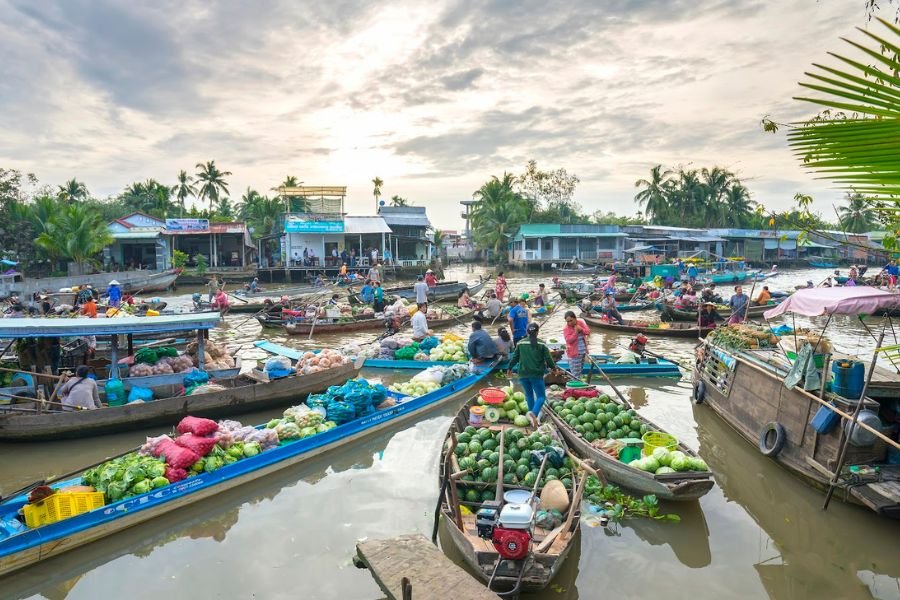
If Cai Rang feels too well known, Phong Dien is often one of the first alternatives travelers consider.
Located farther from central Can Tho, Phong Dien has traditionally been smaller and more locally oriented than Cai Rang.
Rather than only large wholesale boats, the area has historically seen smaller vessels carrying everyday products and agricultural goods.
The market has changed significantly over time, and activity can vary. Travelers should therefore avoid arriving with expectations of seeing hundreds of boats packed together.
Instead, consider the journey itself part of the experience.
Traveling along smaller waterways around Can Tho can reveal riverside houses, gardens, boats, and everyday life beyond the city center.
Travel Tip
Start early.
Floating-market activity traditionally takes place in the morning, and the waterways are generally more atmospheric before the heat of the day builds.
If you’re arranging a private tour, ask a local operator about current market activity before booking rather than relying solely on old photographs online.
2. Nga Nam Floating Market – Soc Trang
📍 Location: Nga Nam, Soc Trang
⭐ Best for: Travelers looking beyond the standard Mekong route
Nga Nam literally refers to a place where waterways meet in multiple directions, and its location helped make it an important trading point in the region.
Compared with Can Tho, Soc Trang receives fewer international visitors, which makes Nga Nam interesting for travelers who want to explore deeper into the Mekong Delta.
Historically, boats here traded agricultural products and everyday goods, reflecting the commercial role that waterways played for surrounding communities.
As with many Vietnam floating markets, however, Nga Nam has evolved alongside modern transportation.
For today’s traveler, the attraction is not simply the number of boats you can photograph. It is the opportunity to see a less-touristed part of the delta and understand how river commerce fits into local life.
Why Visit?
Nga Nam works best for travelers who have enough time to move beyond a typical one- or two-day Mekong Delta itinerary.
Pairing the market with local food, temples, countryside, and communities in Soc Trang creates a much richer experience than visiting the waterway alone.
3. Long Xuyen Floating Market – An Giang
📍 Location: Long Xuyen, An Giang
⭐ Best for: Local atmosphere and a slower travel experience
Long Xuyen is another destination worth considering if you want to explore the Mekong Delta beyond its busiest tourist areas.
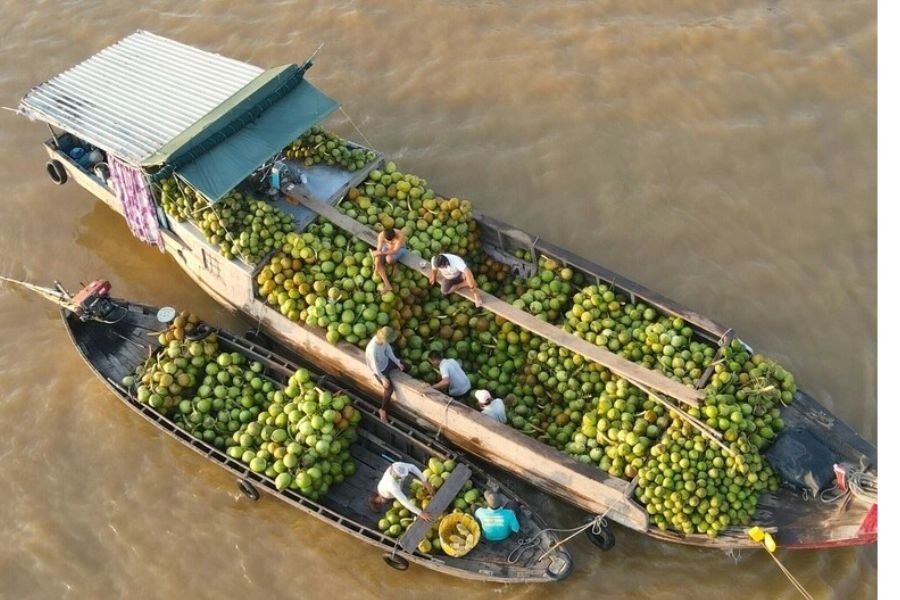
The floating market here has traditionally served local wholesale trade, particularly agricultural produce.
What makes Long Xuyen appealing is its setting.
Instead of approaching the experience purely as an attraction, travelers can use it as an introduction to An Giang – a province known for river landscapes, rice fields, mountains, religious diversity, and distinctive local cuisine.
Early morning remains the best time to explore.
You may encounter boats transporting produce, people preparing food, riverside homes waking up, and the daily rhythm of communities living alongside the water.
Maverick Journeys Tip
Don’t rush back to your hotel immediately after the boat trip.
Spend some time exploring Long Xuyen or continue deeper into An Giang. The surrounding province can be just as rewarding as the floating market itself.
4. Tra On Floating Market – Vinh Long
📍 Location: Vinh Long Province
⭐ Best for: Combining river life with a countryside stay
Vinh Long sits between branches of the Mekong and has long been associated with orchards, islands, canals, and agricultural communities.
Tra On Floating Market developed around river commerce and traditionally became busiest when boats arrived with agricultural products for trade.
For international travelers, Vinh Long can be an attractive alternative to staying only in larger Mekong cities.
The region lends itself particularly well to slower travel.
Consider staying at a local homestay, cycling through villages, visiting orchards, taking a small boat through narrow canals, and trying regional dishes.
In that context, visiting Tra On becomes part of a broader exploration of Mekong life rather than a standalone attraction.
5. Chau Doc’s River Life – An Giang
📍 Location: Chau Doc, An Giang
⭐ Best for: Culture, river communities and onward travel
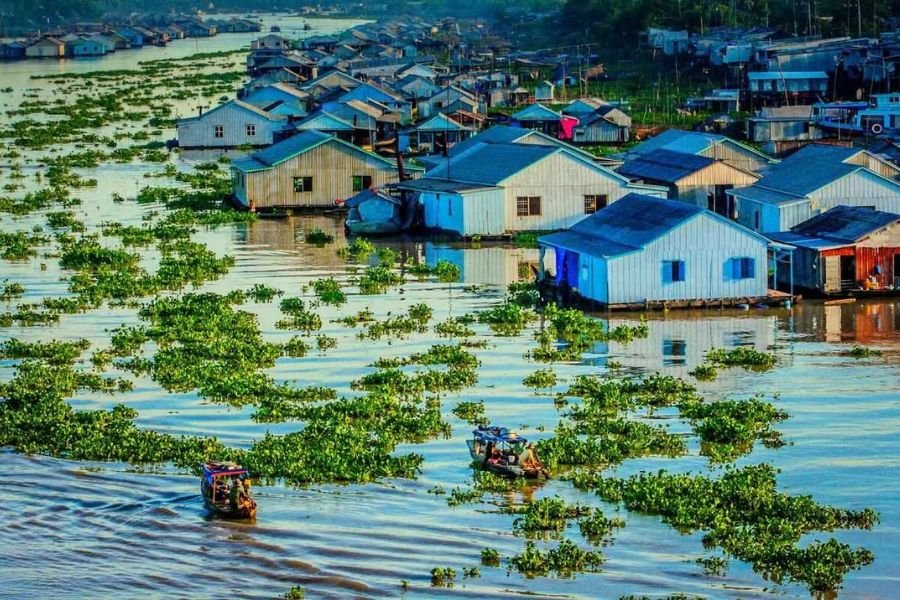
Chau Doc is slightly different from the classic floating-market destinations on this list.
Rather than visiting solely for a defined market, come here to experience a city where the river remains deeply connected to daily life and commerce.
Located near the Cambodian border, Chau Doc has long been a crossroads of cultures and communities.
Boat trips around the area can introduce travelers to floating houses, fishing communities, waterways, and different aspects of life along the river.
The wider region also offers some of the Mekong Delta’s most interesting cultural experiences.
Travelers can combine Chau Doc with Sam Mountain, local religious sites, Tra Su Cajuput Forest, and regional food.
It is an excellent destination for anyone who wants the Mekong Delta to feel like more than a quick day trip.
Cai Rang vs Smaller Vietnam Floating Markets
So should you skip Cai Rang entirely?
Not necessarily.
Cai Rang remains convenient for travelers staying in Can Tho and is one of the easiest places to include in a first Mekong Delta itinerary.
But smaller markets and river communities can provide something different.
| If You Want… | Consider |
|---|---|
| A famous first-time experience | Cai Rang |
| A quieter Can Tho alternative | Phong Dien |
| A less-touristed destination | Nga Nam |
| Local atmosphere | Long Xuyen |
| Slow travel & countryside | Tra On / Vinh Long |
| Broader river culture | Chau Doc |
The key is to avoid judging every destination by the number of boats visible on the water.
The Mekong Delta is changing, and its floating markets are changing with it.
Best Time to Visit Floating Markets in Vietnam
What Time Should You Go?
Early morning is generally best.
Depending on the location and current trading patterns, activity may begin before sunrise.
For travelers, leaving early also means:
- cooler temperatures;
- softer light for photography;
- more active local commerce;
- fewer tourist boats at popular locations.
Ask your accommodation or local guide about the best departure time for the specific market you plan to visit.
What Is the Best Season?
The Mekong Delta can be visited throughout the year, but conditions vary between the drier and wetter periods.
Rain does not automatically ruin a Mekong trip. In fact, the waterways and landscapes can be particularly lush during wetter months.
However, weather can affect boat trips, so check local conditions before departure.
How to Visit Vietnam Floating Markets Responsibly
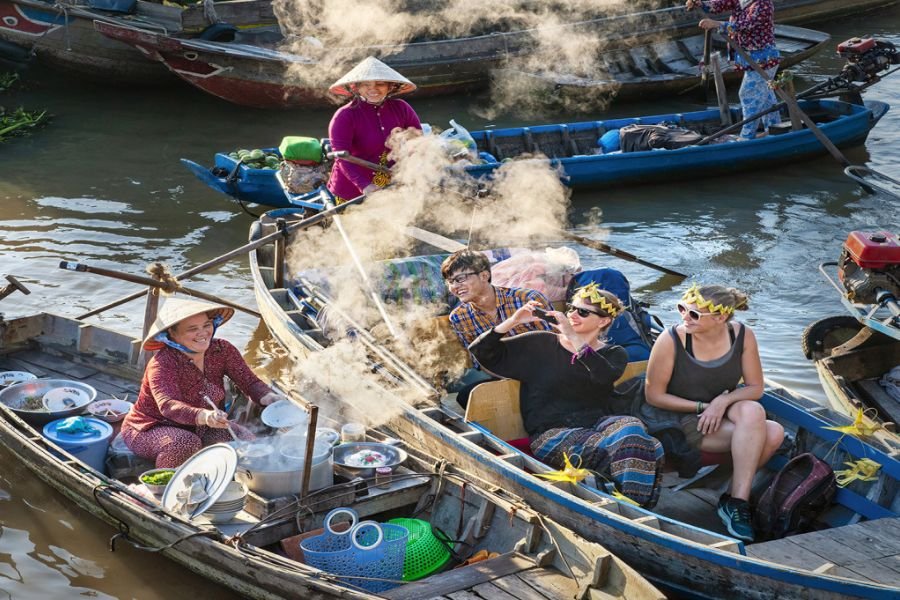
Floating markets are often presented online as colorful tourist attractions, but remember that these waterways are also workplaces and homes.
A few simple practices can make your experience more respectful.
Support Local Businesses
Buy breakfast, fruit, coffee, or other products from local vendors when appropriate.
Ask Before Taking Close-Up Portraits
A person selling fruit from a boat is working, not performing for tourists.
Landscape and general market photography is one thing; pointing a camera directly into someone’s face is another.
Choose Smaller Local Tours
Where practical, small-group or private local operators can provide a more personal experience and reduce congestion.
Don’t Expect a Performance
One of the most valuable lessons when visiting Vietnam floating markets is accepting them as they are.
If there are fewer boats than an Instagram photo from ten years ago, that does not necessarily mean the trip was unsuccessful.
You are seeing a living culture adapting to modern life.
How Many Days Do You Need in the Mekong Delta?
For a first visit, two to three days gives you far more flexibility than a rushed day trip from Ho Chi Minh City.
If the Mekong Delta is part of a longer journey, our Vietnam travel itinerary can help you decide how to connect southern Vietnam with the rest of the country.
A possible itinerary could look like:
Day 1: Ho Chi Minh City → Can Tho
Explore the city, riverside, and local food.
Day 2: Early floating market experience → countryside and canals
Continue to Vinh Long or explore more of Can Tho.
Day 3: Travel deeper into the delta
Choose An Giang, Chau Doc, Soc Trang, or another destination depending on your interests.
Travelers with more time can spend four or five days exploring at a slower pace.
Frequently Asked Questions About Vietnam Floating Markets
Are floating markets in Vietnam still active?
Yes, but the scale and activity of individual markets have changed over time. Improved roads, modern logistics, and changing shopping habits have reduced the importance of some traditional floating markets.
This is why checking current local conditions before visiting is important.
Is Cai Rang the best floating market in Vietnam?
Cai Rang is the most famous and one of the easiest for international travelers to access, but “best” depends on what you want.
Travelers seeking quieter, more local experiences may prefer exploring other parts of the Mekong Delta.
Can I visit a floating market from Ho Chi Minh City?
Yes, but staying overnight in the Mekong Delta is generally a better experience.
Floating markets are most active early in the morning, making a same-day journey from Ho Chi Minh City less convenient.
Do I need a guide?
Not necessarily, but a knowledgeable local guide can provide valuable cultural context and help you understand what you are seeing rather than simply taking a boat ride.
Beyond the Floating Market
The best Mekong Delta experiences rarely come from visiting one famous attraction and immediately leaving.
Take time to travel through smaller canals. Eat breakfast beside the river. Visit orchards and local communities. Try regional dishes. Watch boats pass while drinking Vietnamese coffee.
And most importantly, remember that the Vietnam floating markets you see today are part of a culture that continues to evolve.
Cai Rang may be the name that brings many travelers to the Mekong Delta, but places such as Phong Dien, Nga Nam, Long Xuyen, Vinh Long, and Chau Doc show just how diverse life along southern Vietnam’s waterways can be.
Go beyond the famous market, and you may discover that the journey through the delta is the real experience.
Plan Your Mekong Delta Journey
Want to explore beyond the standard tourist route?
Maverick Journeys can help you create a Vietnam itinerary that combines iconic destinations with local experiences, food, culture, and lesser-known corners of the Mekong Delta.
Start planning your Vietnam journey and experience the Mekong beyond the usual stops.