








Vietnam is one of the most exciting food destinations in the world. From busy street corners to small family-run eateries, food is everywhere — and it is an essential part of the travel experience.
If you are visiting for the first time, you might be wondering what to eat in Vietnam and where to start. With so many regional dishes, flavors, and cooking styles, it can feel overwhelming at first.
This guide is designed to help you understand Vietnamese food culture, discover must-try dishes, and confidently explore local cuisine like a seasoned traveler.
What Makes Vietnamese Food Special?
Before deciding what to eat in Vietnam, it helps to understand what makes the cuisine unique.
Vietnamese food is built around balance. A typical dish often combines multiple elements:
- Fresh herbs like mint, basil, and coriander
- Light broths instead of heavy sauces
- A mix of textures — soft noodles, crunchy vegetables, tender meat
- A balance of flavors: sweet, salty, sour, and umami
Compared to many other cuisines, Vietnamese food feels lighter and healthier. This is why many travelers find it easy to enjoy throughout their trip without feeling overwhelmed.
Before exploring what to eat in Vietnam, it’s helpful to understand your daily expenses. Check out our Vietnam travel cost guide to plan your budget for food, street eats, and local dining experiences.
1. Pho – A Classic Introduction to Vietnamese Cuisine
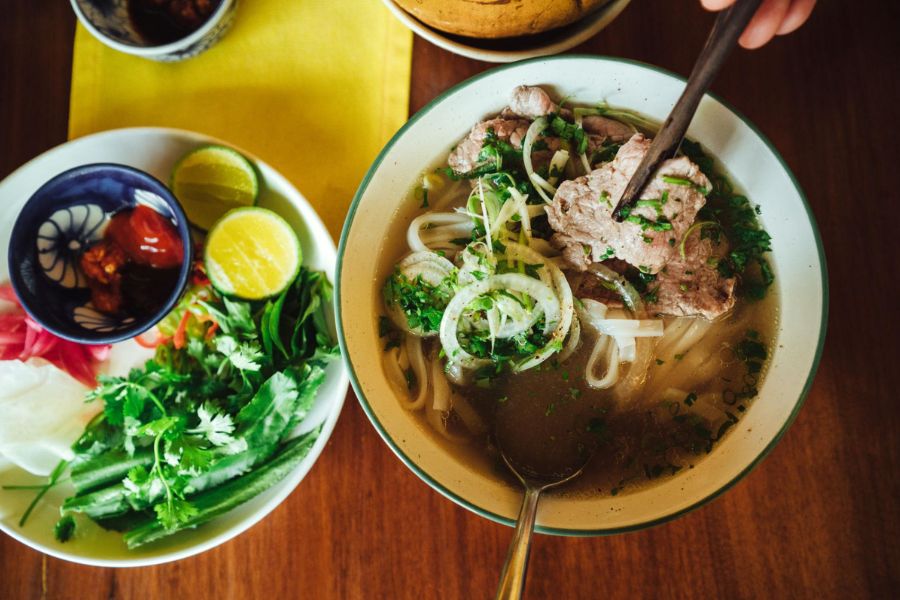
If you are asking what to eat in Vietnam, pho is always the first answer.
Pho is a traditional noodle soup made with slow-cooked broth, rice noodles, and either beef or chicken. It is typically served with fresh herbs, lime, and chili on the side.
What makes pho special is the broth. It is simmered for hours with bones and spices, creating a deep but clean flavor.
Pho is commonly eaten in the morning, but it is available throughout the day. For first-time visitors, it is the most accessible and comforting Vietnamese dish.
2. Banh Mi – Vietnam’s Most Popular Street Food
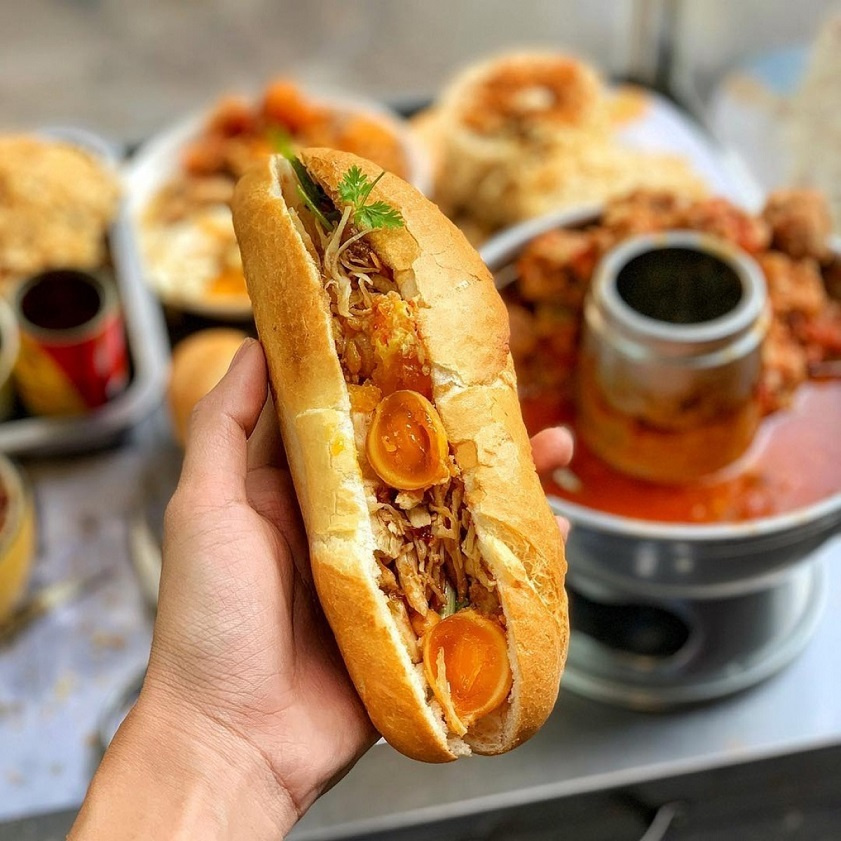
Banh mi is one of the easiest and most satisfying foods to try in Vietnam.
This Vietnamese sandwich combines a crispy baguette with local fillings such as grilled pork, pate, pickled vegetables, cucumber, and herbs.
It reflects the country’s history, blending French and Vietnamese influences into one simple but delicious meal.
Banh mi is widely available, affordable, and perfect for travelers who want something quick and flavorful on the go.
f you love street food, don’t miss our detailed Vietnam street food guide, where you can discover local dishes, hidden spots, and authentic food experiences across the country.
3. Bun Cha – A Must-Try Dish in Hanoi
Bun cha is a northern Vietnamese dish that offers a different experience from pho.
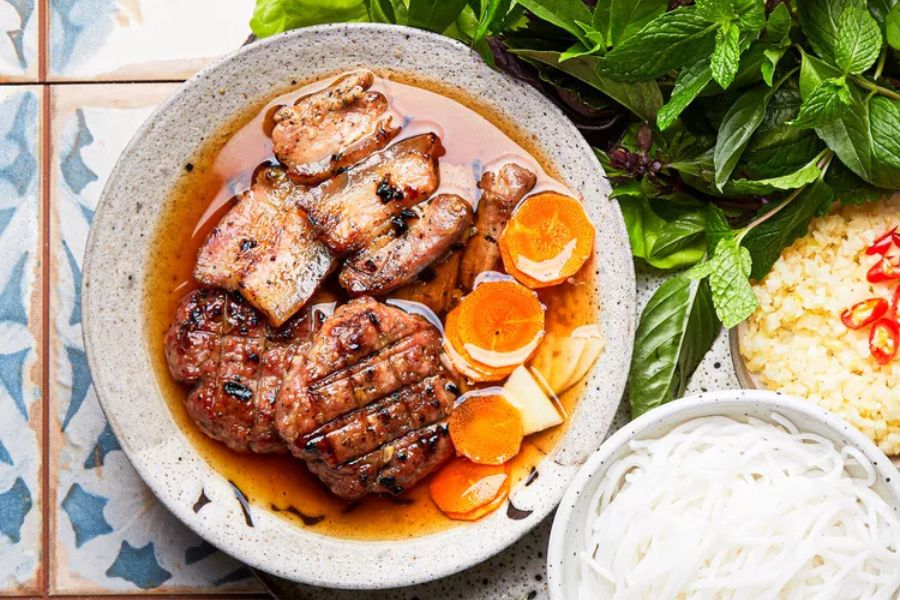
It consists of grilled pork served with rice noodles, fresh herbs, and a dipping sauce. Instead of mixing everything in one bowl, you combine each element as you eat.
The grilled pork adds a smoky flavor that pairs well with the freshness of the herbs and the light sauce.
Bun cha is especially popular in Hanoi and is often considered one of the most authentic local meals.
4. Goi Cuon – Light, Fresh, and Healthy
Goi cuon, or fresh spring rolls, are a great choice if you prefer something light.
These rolls are made with rice paper and filled with shrimp, pork, herbs, and vermicelli noodles. They are served with a peanut-based dipping sauce.
Unlike fried spring rolls, goi cuon are fresh and not oily. They are a good option for travelers looking for a healthier meal or a refreshing snack.
5. Bun Bo Hue – A Rich and Flavorful Alternative
While pho is the most famous noodle soup, bun bo Hue offers a stronger and more complex flavor.
Originating from central Vietnam, this dish includes beef, thick noodles, and a spicy, aromatic broth.
The flavor is richer and slightly spicier than pho, making it a great option if you want to try something different.
6. Com Tam – A Popular Southern Meal
Com tam, or broken rice, is a staple in southern Vietnam.
It is typically served with grilled pork, a fried egg, and pickled vegetables. The dish is simple but very satisfying.
You will often find com tam served at small local restaurants, especially in Ho Chi Minh City.
7. Cao Lau – A Unique Regional Specialty
Cao lau is a dish that you will mainly find in Hoi An.
It features thick noodles, slices of pork, fresh herbs, and crispy toppings. The texture of the noodles is different from other Vietnamese dishes, making it a unique experience.
Because it is tied closely to the local area, trying cao lau is part of understanding regional Vietnamese cuisine.
8. Hu Tieu – Flexible and Easy to Enjoy
Hu tieu is a southern-style noodle dish that can be served either dry or with broth.
It often includes pork, seafood, and vegetables, with a lighter taste compared to pho.
Hu tieu is a good choice if you want something simple but still full of flavor.
9. Vietnamese Coffee – More Than Just a Drink
No guide on what to eat in Vietnam is complete without mentioning coffee.
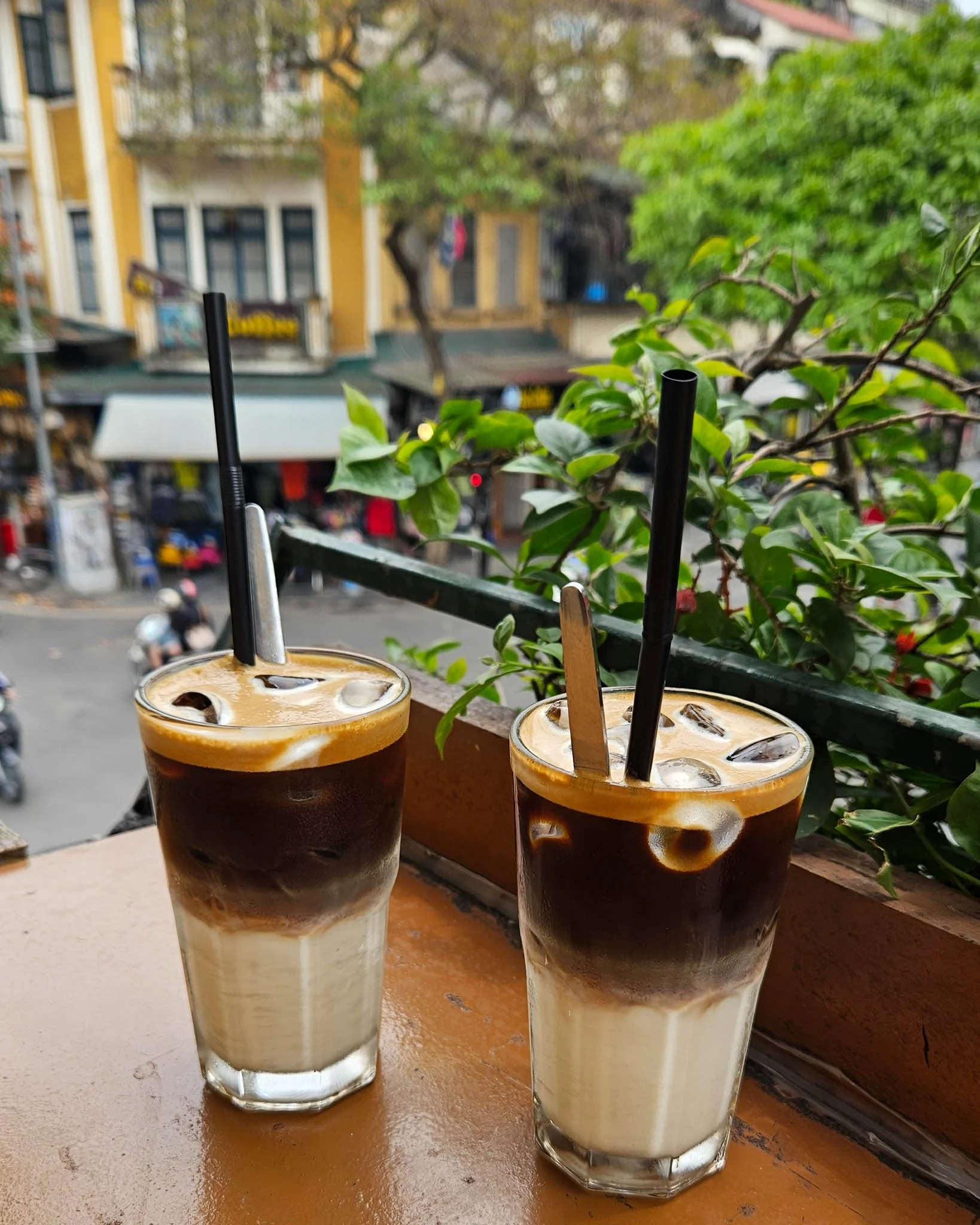
Vietnamese coffee is strong and distinctive. It is often served with condensed milk, creating a rich and sweet flavor.
Another popular variation is egg coffee, which has a creamy texture and is especially popular in Hanoi.
Coffee culture in Vietnam is relaxed and social, making it a great way to take a break during your trip.
Coffee is a big part of local life. Learn more about how locals enjoy it in our Vietnam coffee culture guide, from traditional drip coffee to unique egg coffee experiences.
Understanding Regional Food Differences
Vietnamese cuisine changes depending on where you are in the country.
Northern Vietnam
Food tends to be milder and more balanced. Dishes like pho and bun cha are typical.
Central Vietnam
Flavors are stronger and often spicier. Dishes like bun bo Hue and cao lau come from this region.
Southern Vietnam
Food is generally sweeter and more diverse. You will find dishes like com tam and hu tieu here.
Exploring these differences is one of the best parts of deciding what to eat in Vietnam.
Street Food or Restaurants?
One of the most common questions for travelers is whether to eat street food or dine in restaurants.
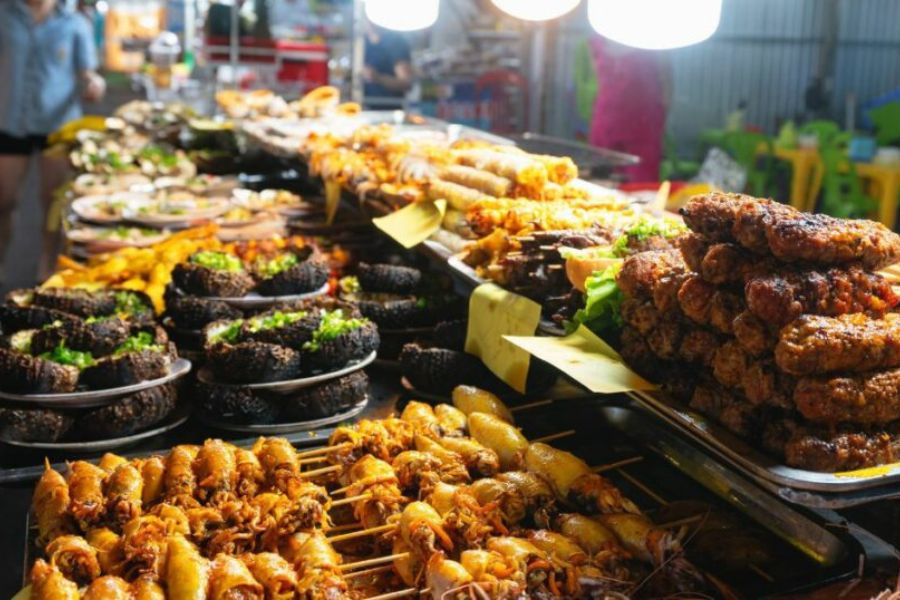
Street food offers authenticity and a closer look at local life. It is usually affordable and freshly prepared.
Restaurants provide more comfort and sometimes a wider selection, especially in tourist areas.
For the best experience, try a mix of both.
Food Safety Tips for Travelers
Vietnamese food is generally safe, but it is always good to follow a few basic guidelines:
- Choose busy places with high turnover
- Eat food that is freshly cooked
- Be cautious with raw vegetables in less busy areas
- Stay hydrated and carry hand sanitizer
These tips will help ensure a smooth and enjoyable food experience.
How to Order Food Easily
If you are unsure how to order, do not worry.
Many places have picture menus, and pointing is perfectly acceptable. In tourist areas, basic English is widely understood.
You can also use translation apps or learn a few simple food-related phrases to make the experience easier.
Final Thoughts
Understanding what to eat in Vietnam is one of the most rewarding parts of traveling in the country.
From simple street food to regional specialties, every dish offers insight into Vietnam’s culture and daily life.
For first-time visitors, the key is to stay curious, try a variety of dishes, and enjoy the process of discovery.
Vietnam is not just a place to visit — it is a place to taste, explore, and experience through its food.